
Trophy Club, The Colony
Roller Replacement for Trophy Club's Early-2000s Garage Doors
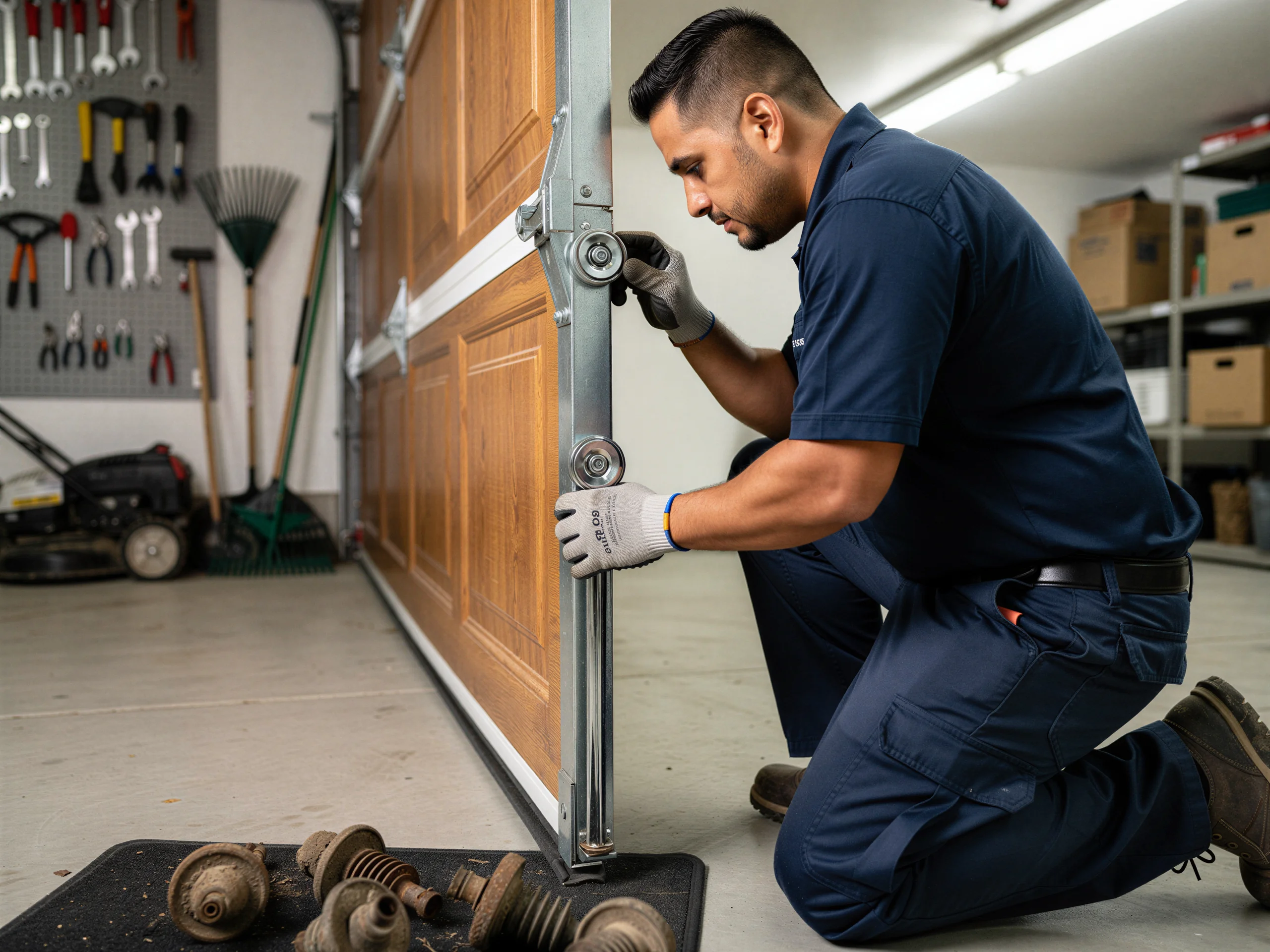
Trophy Club homes built around 2000 are now old enough that original steel rollers are wearing out. We drive 17 miles from The Colony to fix them.
Getting It Booked In
Most houses in Trophy Club went up around 2000, which puts the garage door hardware at roughly two and a half decades old. That's past the point where original rollers are doing their job quietly.
Squeal and judder signs
If yours squeal on the way up, judder at the top of travel, or you can see flat spots worn into the roller wheel itself, that's wear, not an opener problem.
Seventeen miles, scheduled trip
We run this call out of The Colony, about 17 miles away, so when you call we're scheduling a trip rather than sending someone from around the corner - tell us what the door is doing and whether it's one roller or several, and we'll bring the right stock the first time instead of guessing on-site.
No walk-in counter
We don't keep a branch in Trophy Club, so there's no walk-in counter here - the job starts with a phone call and a truck, same as any house on this route.
What Is on the Truck
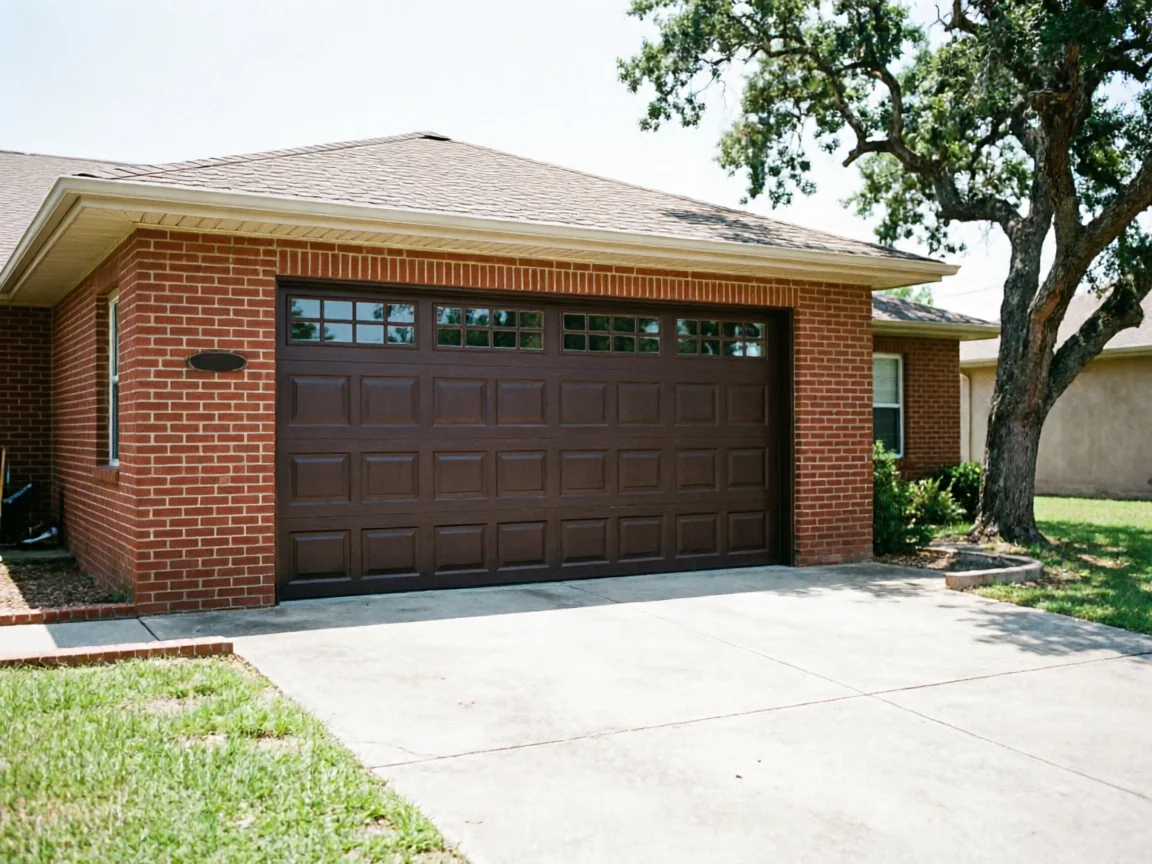
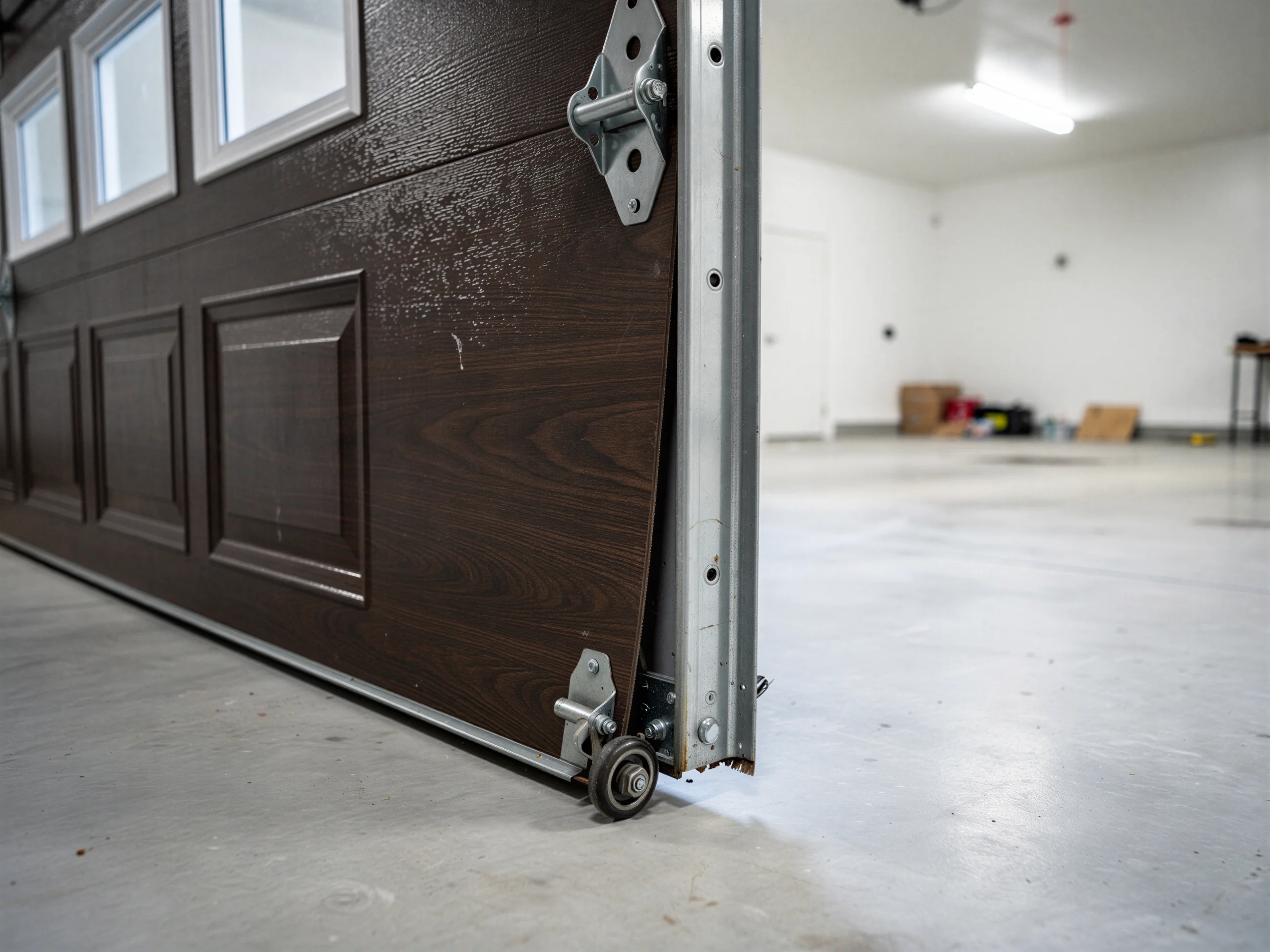
For a build year around 2000, the original rollers are almost always steel on a stamped bracket - common for that era before nylon rollers became the default upgrade.
Galvanized and sealed rollers
We carry both: galvanized steel rollers for a like-for-like swap, and sealed nylon rollers with ball bearings for households wanting quieter operation. We also carry the brackets and short stub shafts that tend to wear alongside the roller itself, since replacing just the wheel on a 20-plus-year-old bracket often just moves the noise somewhere else.
Scored track rail
Track sections ride along too, because rollers that have been grinding against galvanized track for years sometimes score the track rail enough that a new roller won't ride smooth in the old groove.
Panel styles may need trip
We don't carry every door panel style in Trophy Club's housing stock on the truck - if a track has rusted or bent badly enough to need a full section swap, that may mean a second trip to order the right profile.
Time on the Job
A straightforward roller swap on a double door - all ten rollers, same style, no bracket damage - usually runs under an hour once we're on-site with the right parts loaded. Where it stretches longer is when the bottom brackets have corroded against the galvanized track, which happens more on doors that have never had the rollers touched since the house was built. That corrosion means extra time freeing the bracket without bending it, and sometimes a bracket replacement we hadn't planned on. We quote the straightforward job and flag the harder one before we start loosening hardware, not after.
What Can Go Wrong
The most common failure we see on doors from this build era is a cracked or chipped steel roller wheel that's been riding rough long enough to start wearing a groove into the track itself - at that point a roller-only swap doesn't fully fix the noise, because the track is part of the problem.
Seized roller ruins shaft
The second is a bent stub shaft, usually from a roller that seized and got forced through a cycle anyway; that shaft has to come out before a new roller goes on.
Moisture loosens bottom brackets
Less common but real: a bottom roller that's pulled loose from a bracket weakened by moisture at the base of the track, which on a door this age is original hardware that's simply reached the end of its service life rather than a defect.
Can You Do This Yourself
Top rollers on a door this age are a two-person, right-tools job - you're working near a torsion spring under load, and on original hardware from a build year this old, brackets can be more brittle than they look. Bottom rollers are more forgiving if the door is down and the opener's disconnected, but even there, a roller that's partially seized can snap back when it finally frees. We're honest that this isn't the hardest repair in the trade, but we also see the jobs that went sideways - a stripped bracket bolt or a dropped spring - and those cost more to fix than the roller did. If you're comfortable with hand tools and want to try the bottom rollers yourself, that's reasonable. The top rollers, we'd rather you call.
What the Repair Takes
Four tools matter here: locking pliers to clamp the track above the roller you're replacing, a socket set for the bracket bolts, a flathead or pry bar to ease the roller out of the track channel, and new rollers matched to the stub shaft diameter your door actually uses - not all doors from the 2000s used the same shaft size, so matching matters more than it sounds like it should. We also bring winding bars if a spring needs to come under control first, and replacement bottom brackets on the truck in case the old ones won't release cleanly. What we don't bring, because it isn't usually needed on a roller call: a full torsion spring kit - if that's what's actually failing, that's a different job and a different quote.
Questions
Common questions
Why are the rollers on my Trophy Club house failing now?
Most houses here were built around 2000, so the original rollers are in their mid-20s. Steel rollers from that era typically last 10-15 years under daily cycling before the wheel wears flat or the bracket loosens. If yours haven't been touched since the house was built, you're overdue.
Do you have a shop in Trophy Club?
No. We're based in The Colony and drive out to Trophy Club, about 17 miles each way. There's no walk-in counter here, so booking starts with a call describing what the door is doing so we load the right rollers before we drive out.
Can I just replace one roller instead of all of them?
Yes, if only one is damaged and the rest are riding quiet. But on a door around 25 years old, if one roller has worn out, the others are usually close behind - we'll tell you honestly which rollers look fine and which don't rather than upselling a full set.
Will new rollers fix the noise completely?
Usually, but not always. If the old roller ground a groove into the track before you noticed, a new roller alone may still ride a little rough in that spot. We check the track when we're there and tell you if it needs more than a roller swap.
Explore more
More Services in Trophy Club
Garage Door Repair
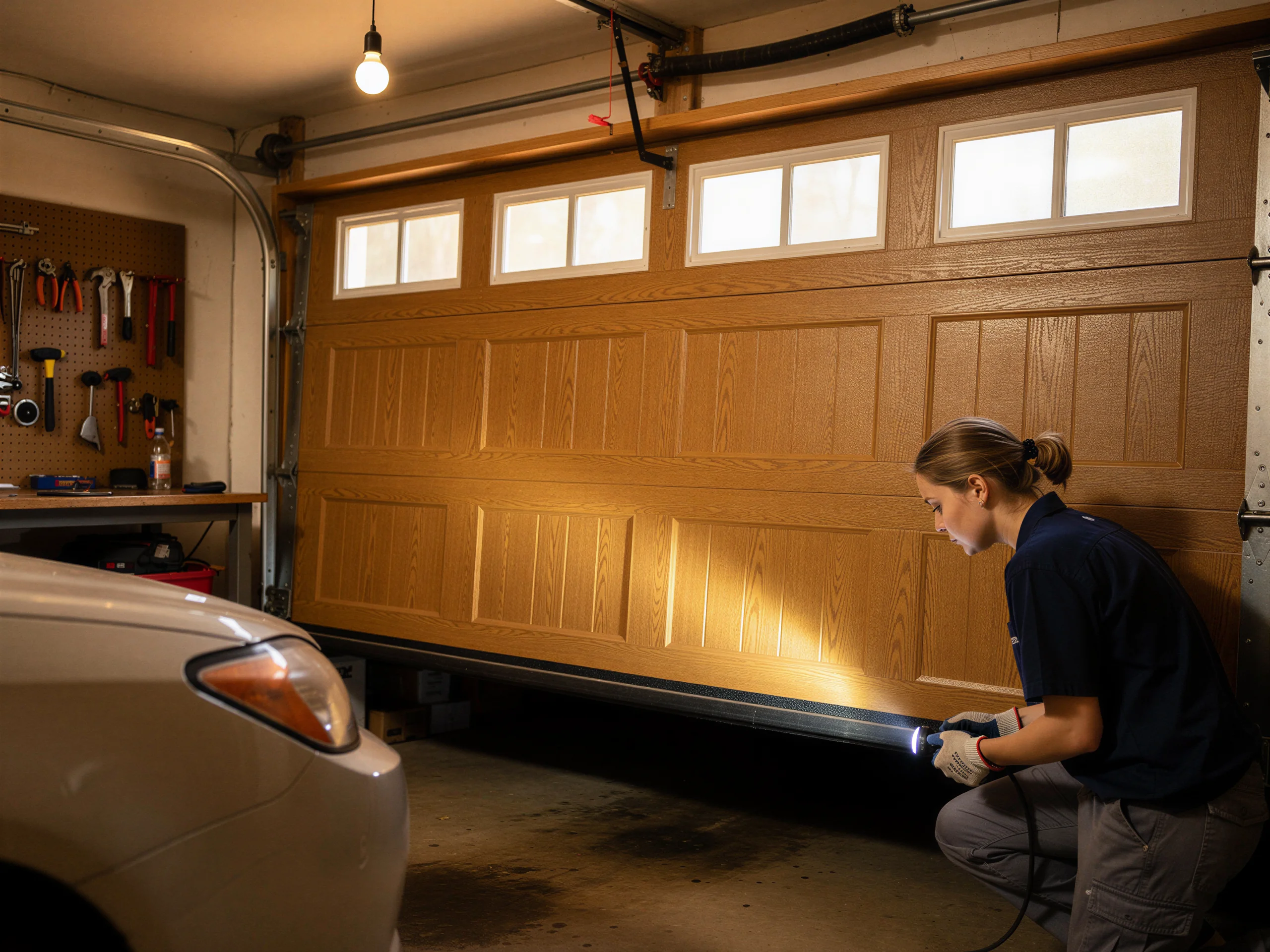
Trophy Club homes went up mostly around 2000, which means builder-grade steel doors on first-generation openers. Learn more →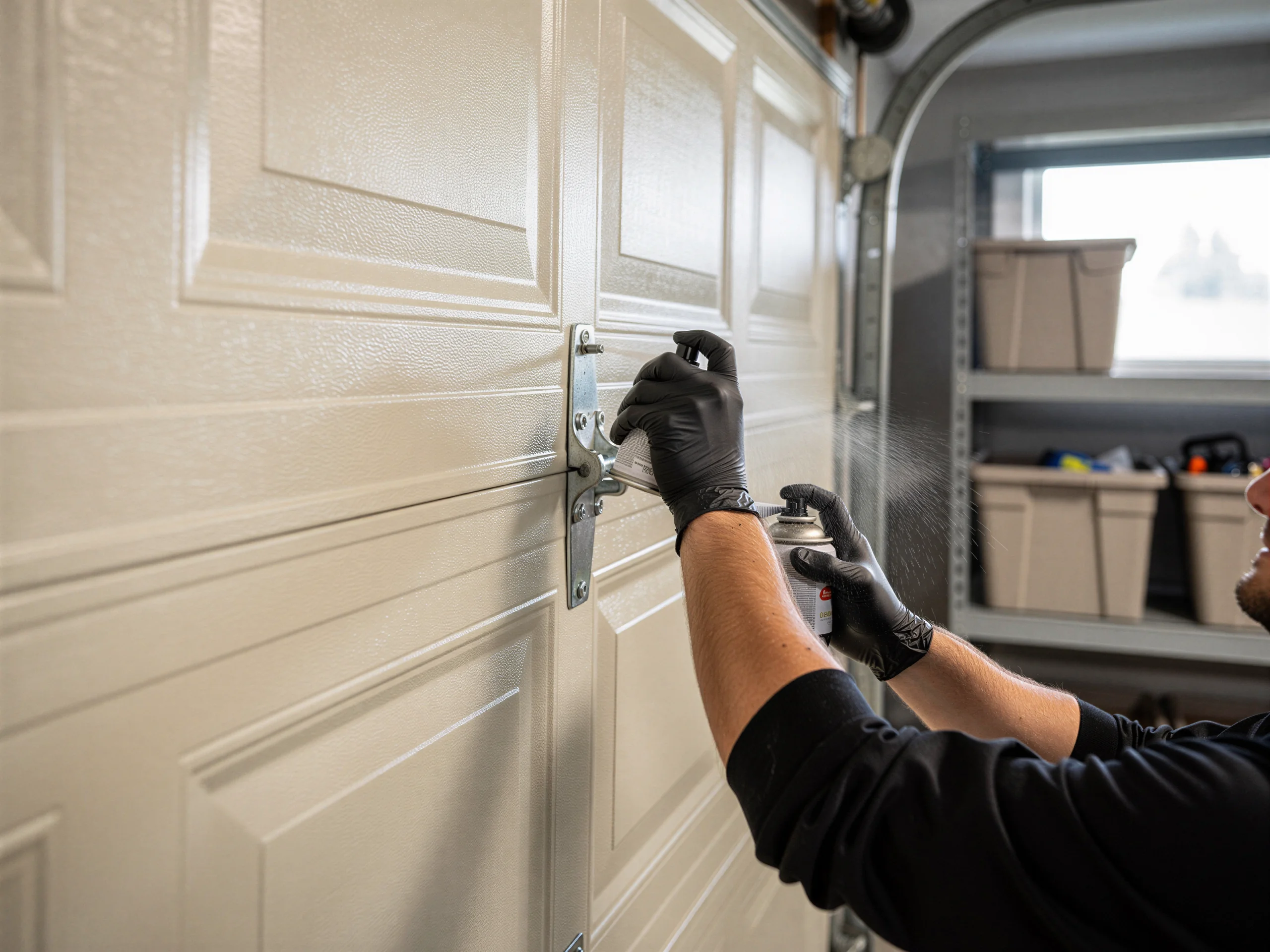
Garage Door Service
Trophy Club homes went up mostly after 2000, which means specific opener and spring hardware. Learn more →
Opener Repair
Garage door opener repair for Trophy Club, TX, where homes date to around 2000. Learn more →
Panel Replacement
Panel replacement for Trophy Club homes built mostly after 2000: matching steel sections on doors that are rarely original anymore but still standard-size. Learn more →Ready when you are
Noisy or worn garage door rollers in Trophy Club?
The Colony Garage Door Pros repairs and installs garage doors, springs and openers in The Colony, TX and the surrounding area.