
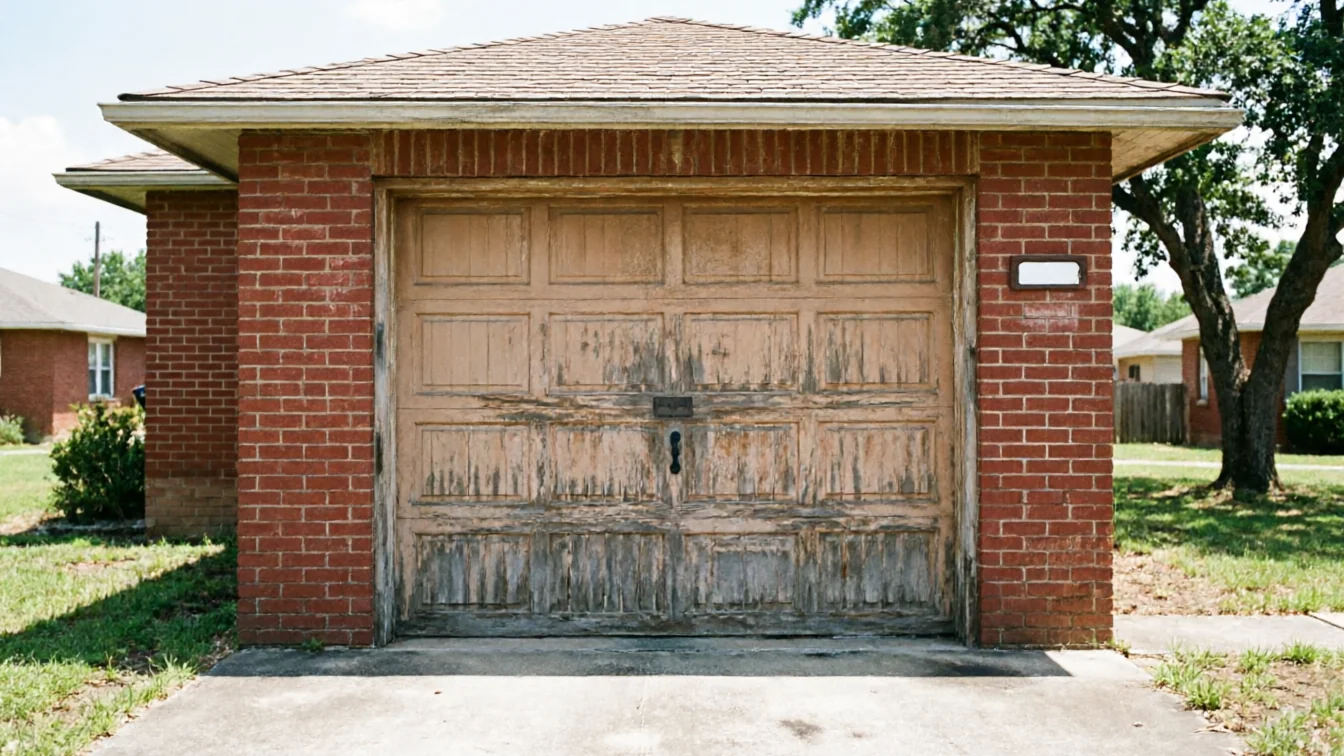
Is Your Older Garage Door Worth Fixing in The Colony?
Most homes in The Colony went up between 1973 and 2014, median 2002.
Read moreMost homes in The Colony went up between 1973 and 2014. Here's what that era of hardware tends to sound like right before it fails, and what's just noise.
Local detail
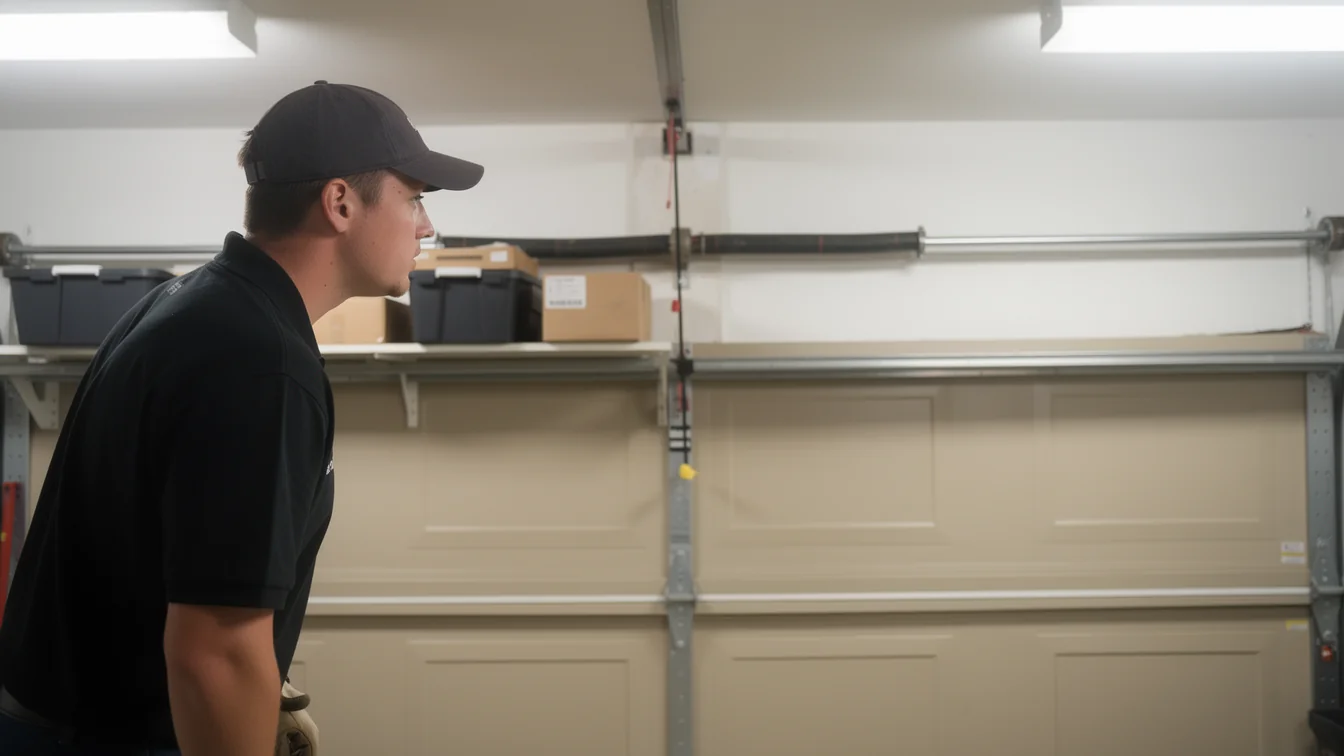
The mistake we see most in The Colony is treating every sound the same way - either ignoring all of it or panicking at all of it. Houses here mostly date from 1973 to 2014, with a median build year around 2002, which means a lot of garage doors are running on torsion or extension hardware that's now one to two decades old. That's exactly the age range where a rhythmic click every few inches of travel stops being background noise and starts being a worn roller bearing or a spring losing its temper.
People also tend to grab WD-40 for everything, including the track, which just gathers grit and makes the squeal worse in a season or two. Lubricant belongs on the hinges and the spring coils, not the track the rollers ride in.
The other common error is waiting for a sound to get loud before calling anyone. A quiet grinding when the opener is under load - not at the start, but a few seconds in - usually means a bearing or a gear inside the opener itself, and that one doesn't get better with time. It gets replaced, one way or another, and waiting just adds a dead opener to the list of parts needing attention on the same visit.
The area
The Colony sits in a moderate-heat climate band, not the kind of extreme swing that cracks hardware outright, but enough sustained summer heat to dry out factory grease on rollers and hinges faster than it would in a cooler zone. On a house built in the 2000s - which describes most of this area - that original lubrication is long gone by now, and metal-on-metal contact under heat is what produces that dry, high-pitched squeal on the way up or down.
It also means nylon rollers, common on builder-grade doors from this era, can get brittle sooner than the spec sheet suggests. A door that chatters or knocks instead of running smooth is often telling you the rollers have gone slightly out-of-round from years of heat-cycle expansion and contraction.
We're not dealing with the kind of freeze-thaw cracking you'd worry about further north, so if a sound shows up suddenly in winter here, it's less likely to be a cold-snap issue and more likely coincidence - the part was already due.
What we find
Not every noise needs a truck that day. A single soft pop when the door starts moving, happening once and not again, is often just a cable seating itself or a bracket settling - common enough on houses in the 1973-2014 range where original hardware is still in service. If it doesn't repeat on the next few cycles, you can reasonably leave it alone and just keep an ear on it.
Where we draw the line: a squeal that's been building for weeks and hasn't gotten worse, versus a bang, a loud snap, or a door that suddenly feels heavier to lift by hand. The first is maintenance you can schedule. The second means a spring has let go or is about to, and that's not a wait-and-see situation - a door under uneven spring tension can come down crooked or jump the track.
Honest limitation here: we can't diagnose a sound over the phone with full confidence. What sounds like a bearing on the phone is sometimes a loose hinge screw and vice versa, so if you want a real answer before we show up, the best you can do is note when in the cycle the noise happens - start, middle, or end of travel.
How we work
Across the area we work - homes mostly built in that 1973-2014 stretch, centered around 2002 - the noise complaints we get cluster by age group. Older end-of-range houses are hitting original torsion springs at or past their expected cycle count, so you get groaning or a dull thud at the top of travel. Newer 2000s-and-later builds are more often rollers and opener gears, since the springs were sized a bit more generously industry-wide by then.
If you're near Oak Point, Lake Dallas, Hickory Creek, or out toward Phillips Creek Ranch, the housing stock runs the same general age range, so the pattern holds. A grinding opener, a squealing track, or a bang from the spring area are three different jobs, and worth telling apart before anyone opens a toolbox.
We work within this service area and don't stretch beyond it - if a sound is coming from a door we haven't actually looked at, we'd rather send you to someone closer than guess from a description.
Questions
Usually not urgent by itself. In a moderate-heat climate like The Colony's, dried-out lubrication on rollers and hinges is the most common cause, especially on homes from the 1973-2014 building era where original hardware is still in place. Lubricate the hinges and spring coils, skip the track, and see if it quiets down over a few cycles.
That's almost always a torsion spring breaking. It's loud, it happens once, and the door will feel noticeably heavier to lift afterward. This isn't a tighten-a-screw fix - the spring is under real tension and needs proper equipment to replace safely. Don't try to open the door by hand repeatedly until it's looked at.
That's often a gear or bearing inside the opener itself, common once a unit's been running ten-plus years, which lines up with a lot of The Colony's 2000s-era housing stock. The door still working doesn't mean the opener's fine - grinding under load tends to get worse, not better, until the gear strips.
Recommendation
More garage door guides for The Colony homeowners.
Most homes in The Colony went up between 1973 and 2014, median 2002.
Read more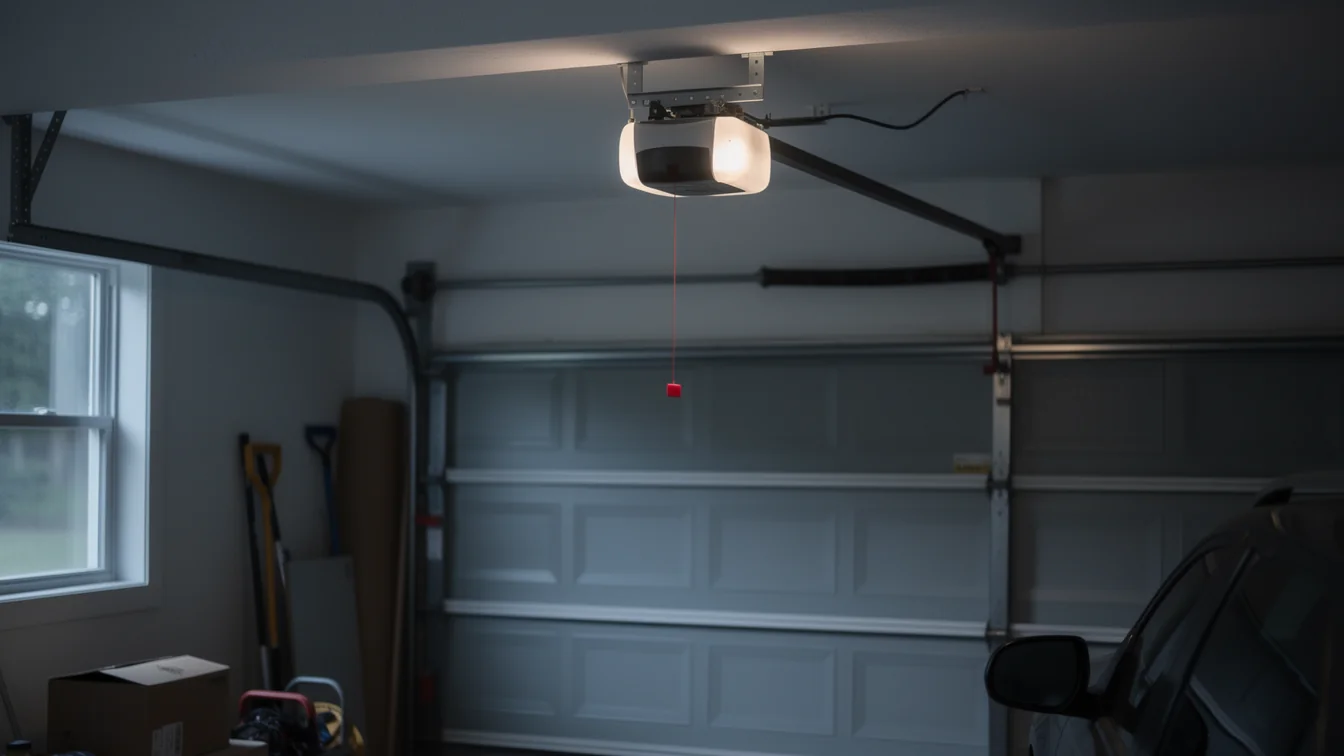
Most openers in The Colony's 2000s-era homes predate battery backup.
Read more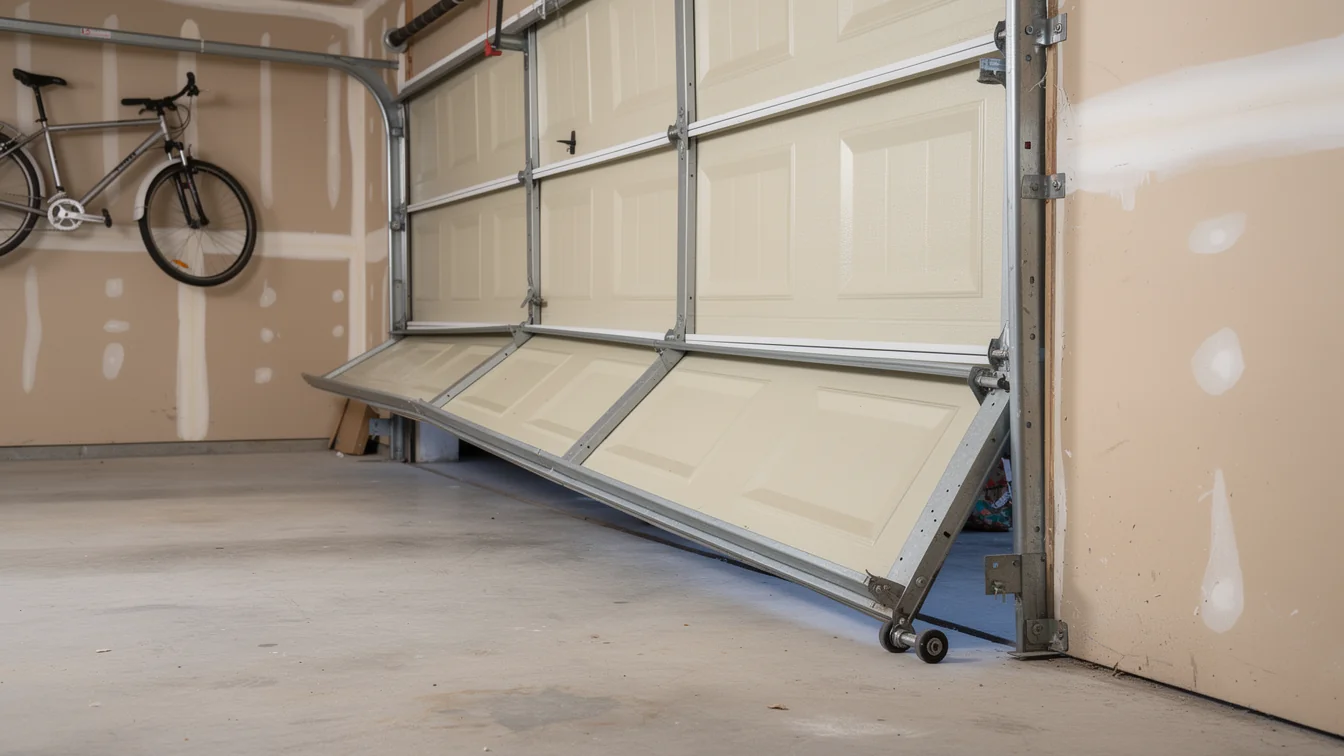
The Colony's housing mostly went up in the 2000s build boom, and that era's track hardware is now old enough to work loose.
Read moreReady when you are
The Colony Garage Door Pros repairs and installs garage doors, springs and openers in The Colony, TX and the surrounding area.