
The Colony, TX
When the Rollers Go, the Whole Door Lets You Know
Garage door rollers wearing out in The Colony, TX? We replace worn steel and nylon rollers on doors from this area's 1970s-2010s housing stock, fast today.
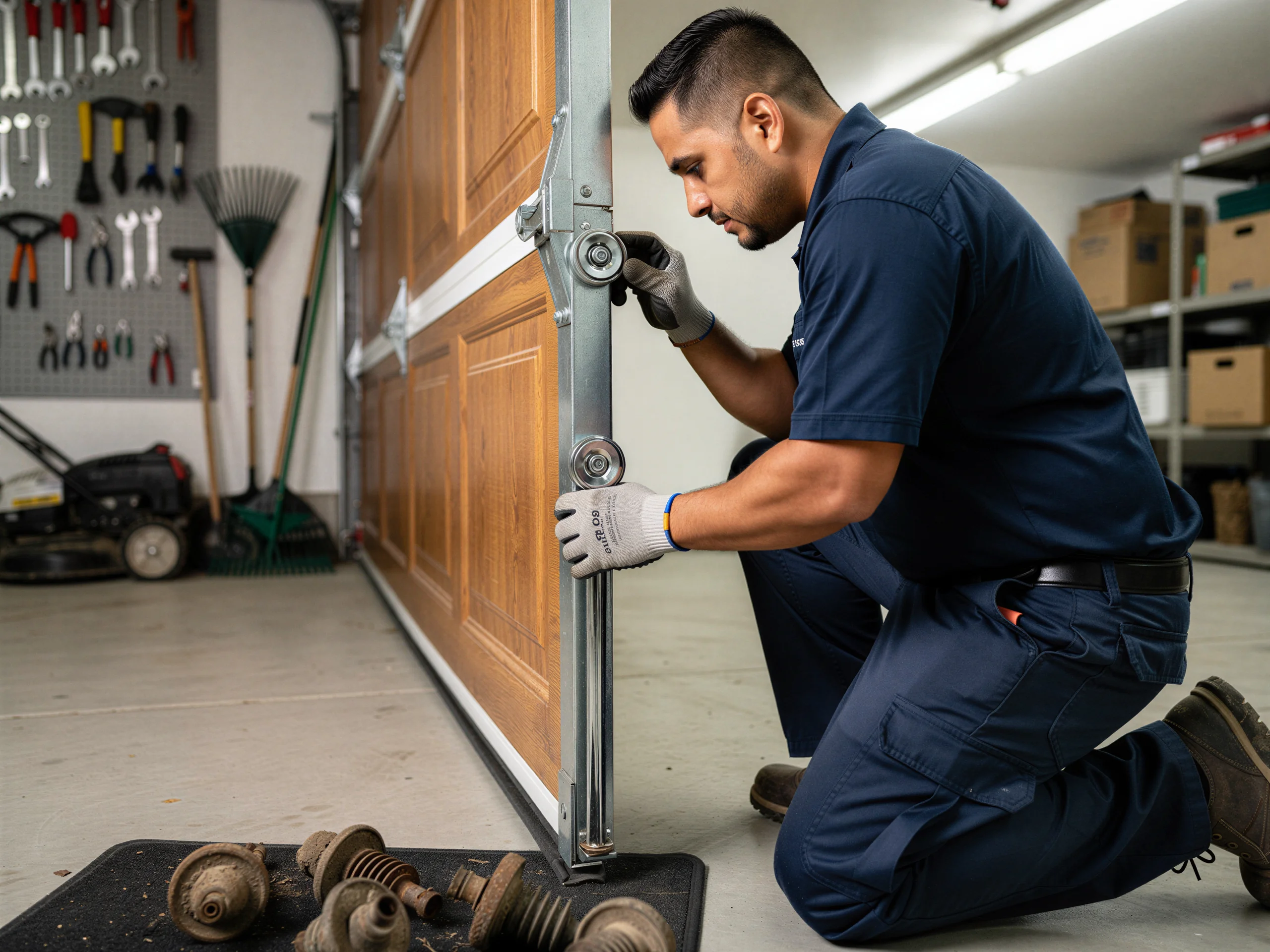
What the Repair Takes
Roller replacement means pulling the old rollers out of the hinges and track, one at a time, and setting new ones in without letting the door drop or the cables jump the drum.
Ten rollers per door
On most doors built since the 1970s that means 10 rollers total, two per hinge bracket on a standard two-car door, more on a wider panel. We check the track alignment while we're in there, because a bent track will chew through a brand-new roller just as fast as it chewed through the old one.
Steel versus nylon rollers
Steel rollers with sealed bearings go in where the opener sees heavy daily use. Nylon rollers go in where quiet matters more than cycle count, which is most residential doors in this area. We don't replace rollers one at a time as they fail - once two or three are worn, the rest are close behind, so we do the full set.
Track causes roller wear
That's a shorter job and it's one trip instead of three. What we won't do is sell a full roller set to someone who needs a track adjustment instead; sometimes the roller looks worn because the track is pulling it sideways, and swapping the roller without fixing the track just repeats the job in six months.
What Causes It Around Here
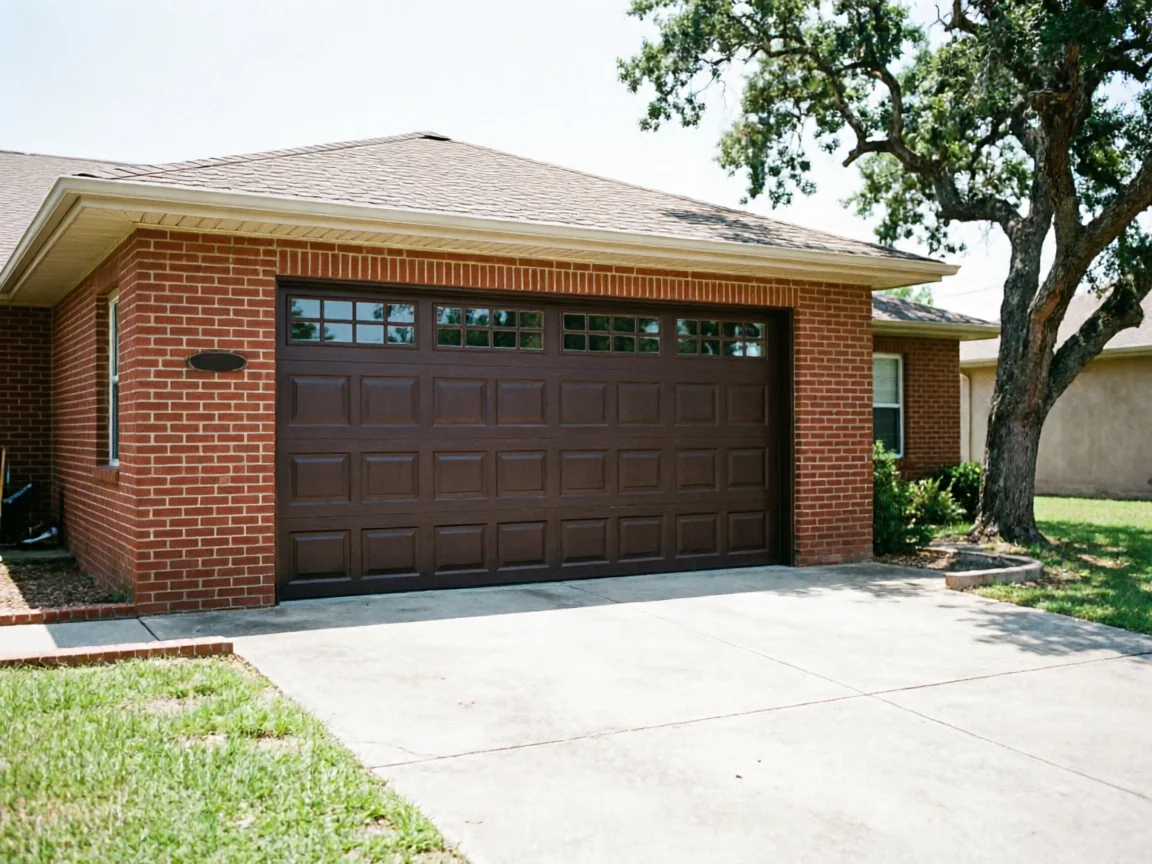
Housing in this service area went up mostly between 1973 and 2014, with the heaviest stretch of building in the 2000s across the named subdivisions nearby. That matters for rollers because original builder-grade doors almost always shipped with plastic or low-grade nylon rollers, the kind rated for a few thousand cycles, not fifteen or twenty years of daily use. A door installed new in 2002 is now well past the point where its original rollers are round instead of worn flat on one side - that flat spot is what you hear as a knock or a shudder every time the door passes a certain point in the track. The climate band here runs moderate on heat, which is kinder to rollers than a true desert market, but moderate still means enough summer heat-cycling to dry out the lubricant inside a sealed bearing faster than the owner expects. Garages facing west catch the worst of it. None of this is dramatic damage - it's slow wear that builds for years before it's loud enough to notice, which is why most of the roller jobs we run are on doors that are 10 to 20 years into their original hardware.
Time on the Job
A full roller set, no other complications, usually runs under two hours once we're on site - that includes removing the old rollers, fitting new ones, and running the door through a few full cycles to check the track is quiet and even.
Damaged track adds time
If the track itself is bent or the hinges are stripped out from years of a roller binding against them, that adds time, because we're not just swapping parts, we're straightening or replacing what the roller was fighting against. We carry common roller sizes on the truck, so most jobs don't wait on a part.
Same-visit fix not guaranteed
What we can't promise is a same-visit fix if the door needs a less common size bearing or if the track damage turns out to need a full section replacement - that part sometimes has to be ordered, and we'll tell you up front if that's where the job is headed instead of letting you assume it's a quick fix.
The Symptom
The giveaway is usually sound before it's sight: a rhythmic knock or grind as the door opens or closes, loudest right where a worn roller passes through the curved section of track near the top. Some owners describe it as a rumble that gets worse year over year. Others notice the door hesitating or jerking at one specific spot on every cycle - that's a flat-spotted roller catching instead of rolling. Visually, a roller that's cracked, flattened on one side, or missing its bearing cap is past the point of lubricating your way out of it. If the noise is coming from the door shuddering side to side rather than a single knock, that's more often the track or the opener chain, not the rollers, and it's worth having that checked before paying for parts that aren't the problem.
Questions
Common questions
How many rollers does a typical garage door need replaced?
Most two-car residential doors use 10 rollers, two at each hinge point plus the end rollers. We replace the full set rather than one or two at a time, since once a few are worn, the rest are usually close behind and a partial fix just means another visit soon.
Are steel or nylon rollers better for my door?
Nylon rollers run quieter and are standard on most residential doors in this area. Steel rollers with sealed bearings hold up better under heavy daily cycling but run louder. Which one makes sense depends on how often the door opens and how much noise matters to you.
Can I just lubricate noisy rollers instead of replacing them?
If the rollers are round and the bearings aren't dry, lubrication can quiet things down for a while. Once a roller is flat-spotted or the bearing cap is cracked, lubricant won't fix the shape of the roller - at that point it's wear, not friction, and replacement is the real fix.
Will roller replacement fix a door that shudders side to side?
Not usually. Side-to-side shudder is more often a bent track or a worn opener chain than the rollers themselves. We check the track as part of any roller job, and if that's the real cause, we'll tell you instead of selling you rollers that won't fix the shake.
Explore more
Explore More Services In The Colony, TX
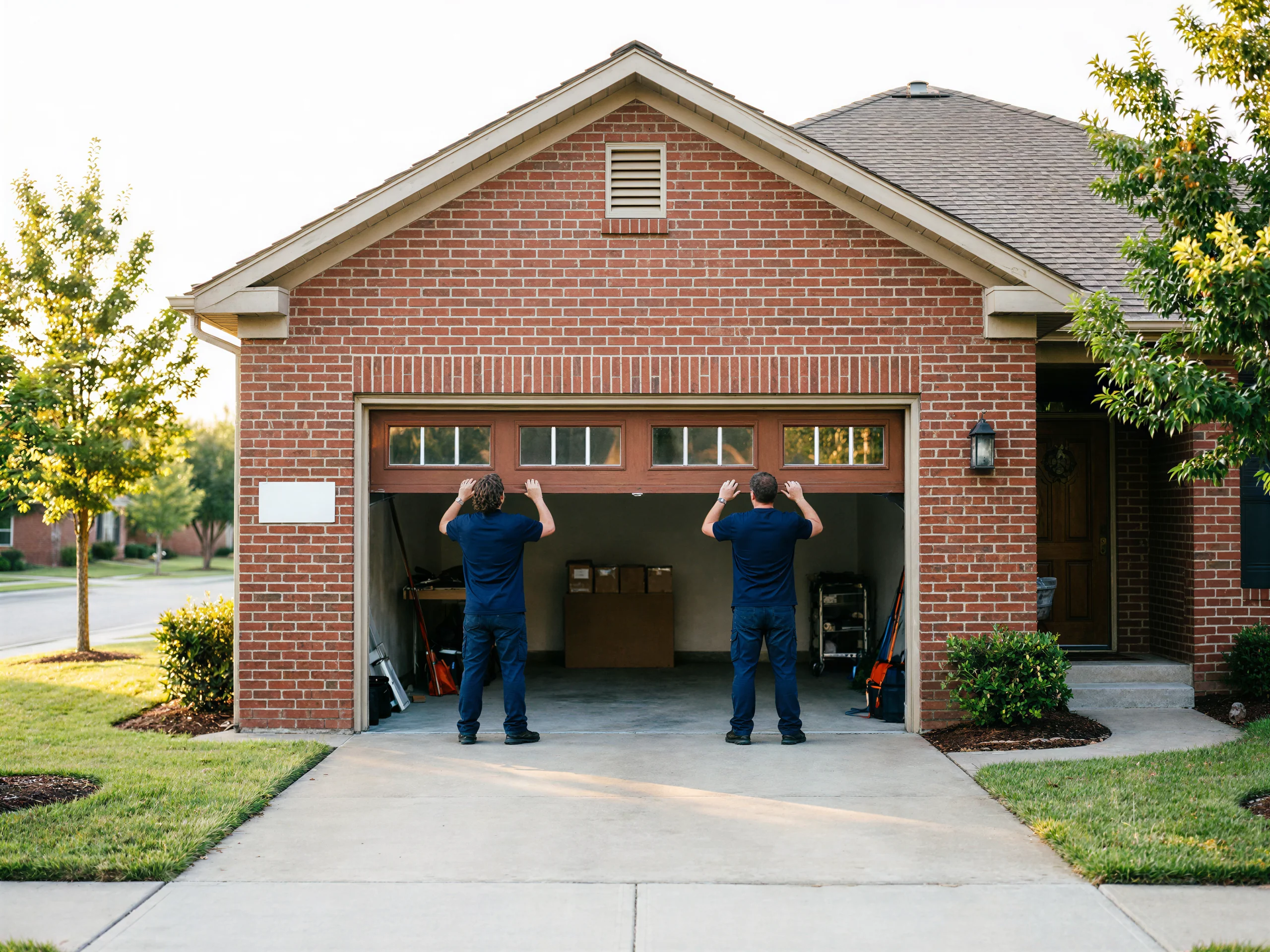
Garage Door Installation Built for The Colony's Housing Stock
Most homes in The Colony went up between 1973 and 2014, so door sizes, track styles, and opener mounts vary block to block. Learn more →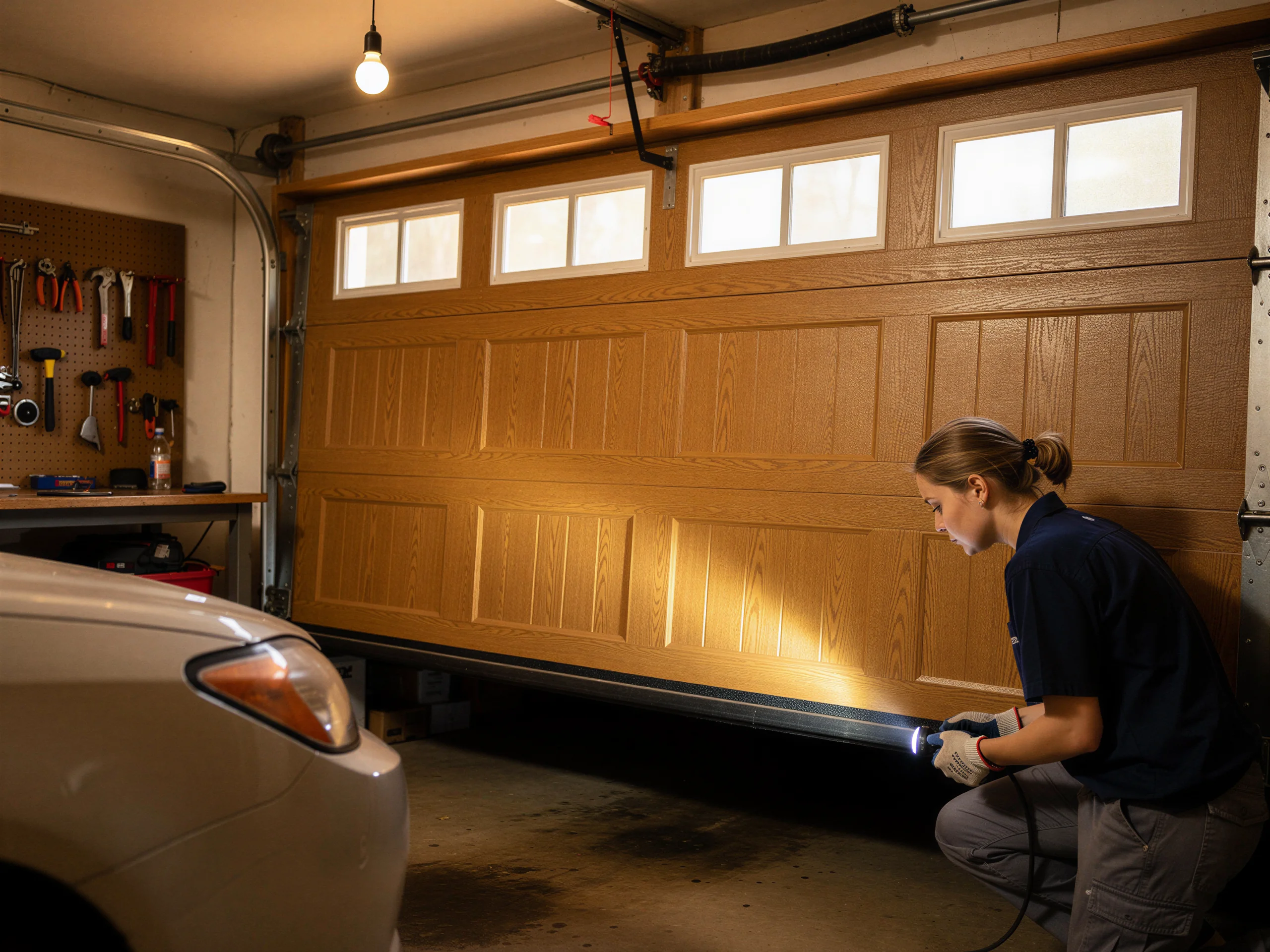
Garage Door Repair for The Colony Homes Built in the 2000s Boom
Most homes in The Colony went up between 1973 and 2014, median year 2002 - which means original torsion springs and builder-grade openers are reaching the end of their rated cycles now. Learn more →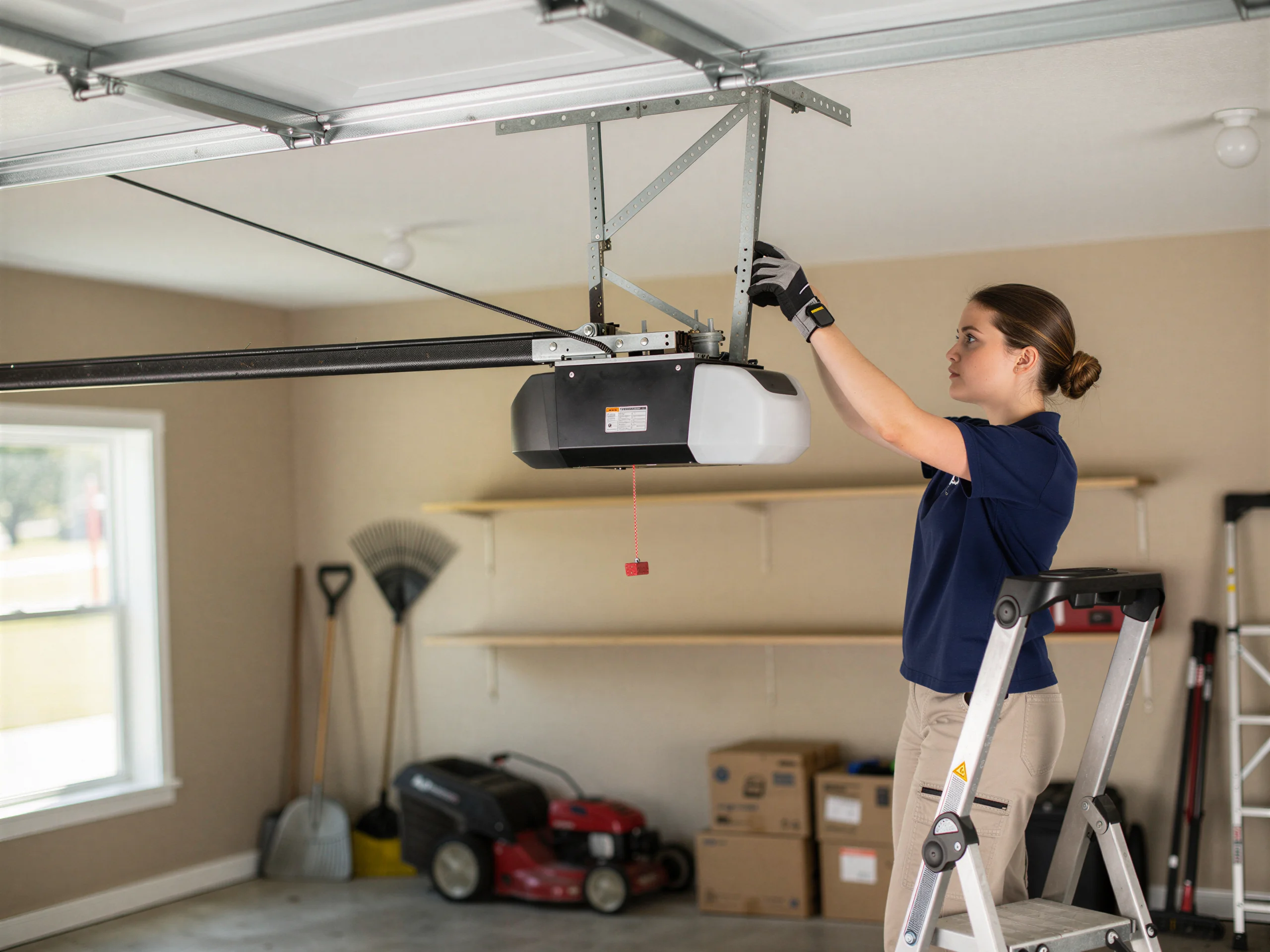
Garage Door Opener Repair Around The Colony
Opener repair for The Colony homes built mostly in the 2000s, where heat-worn belts and circuit boards fail the same way across 24 nearby neighborhoods. Learn more →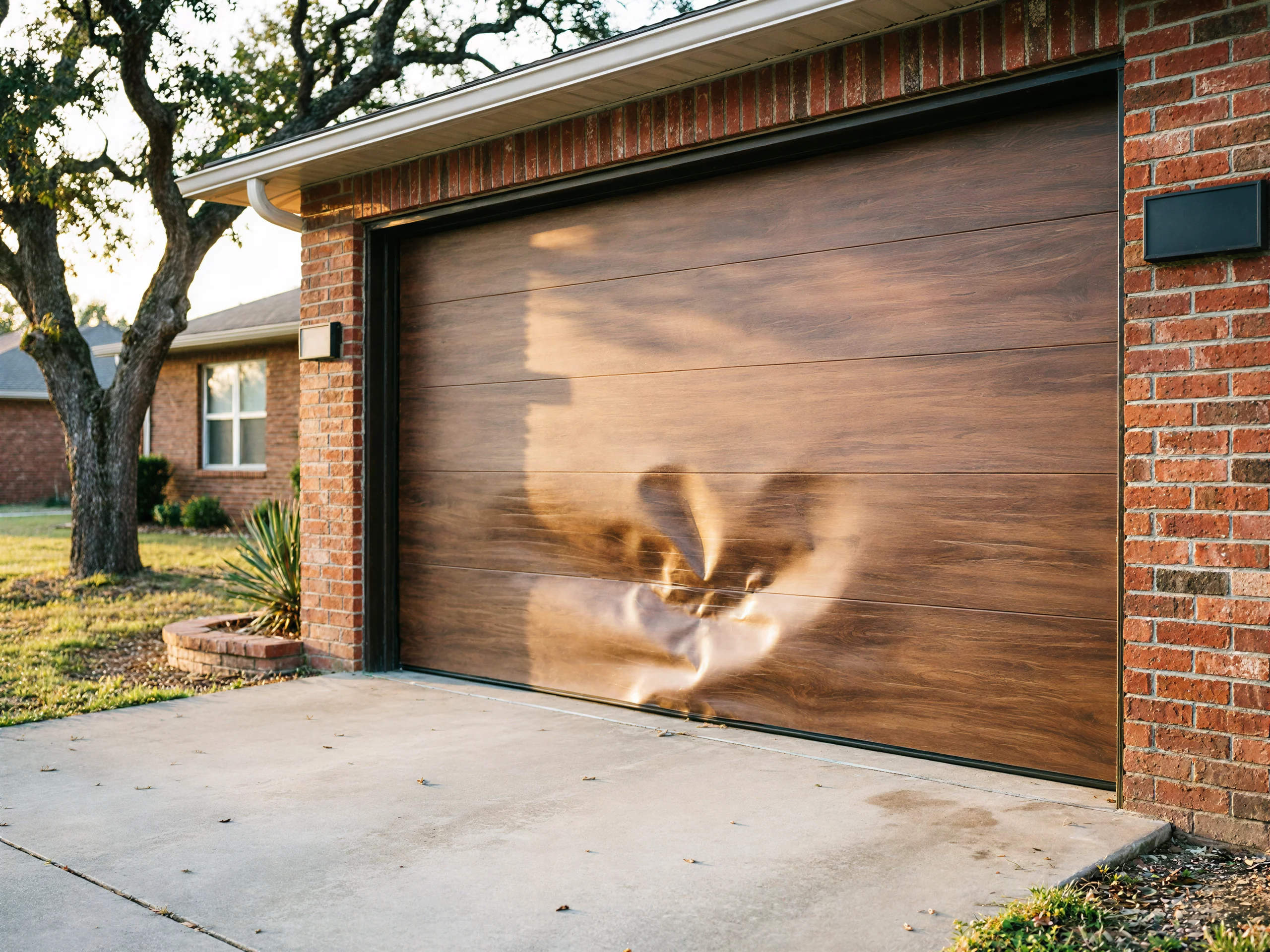
Garage Door Panel Replacement, The Colony TX
Dented or cracked garage door panel in The Colony? Learn more →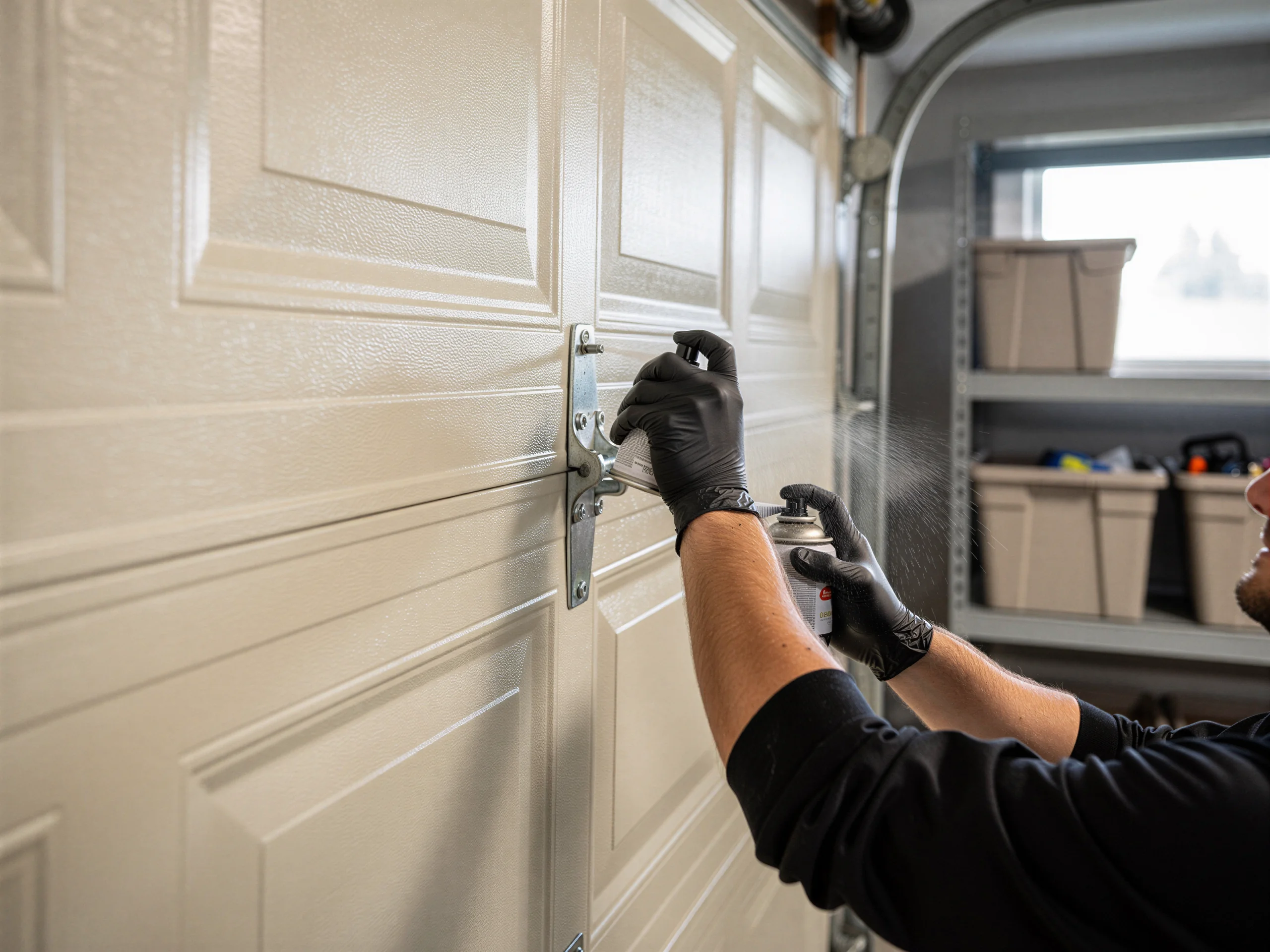
Garage Door Maintenance Built for The Colony's Housing Stock
Garage door maintenance for The Colony's 2000s-era homes: spring tension, roller wear, and hardware checks suited to the area's housing age and heat cycles. Learn more →
Why Garage Door Springs Snap in The Colony, TX
Most garage doors in The Colony run on torsion springs installed when the house went up between 1973 and 2014 - here's why they fail and what fixing one takes Learn more →Ready when you are
Noisy or worn garage door rollers in The Colony?
The Colony Garage Door Pros repairs and installs garage doors, springs and openers in The Colony, TX and the surrounding area.