
The Colony, TX
Garage Door Maintenance Built for The Colony's Housing Stock
Garage door maintenance for The Colony's 2000s-era homes: spring tension, roller wear, and hardware checks suited to the area's housing age and heat cycles.
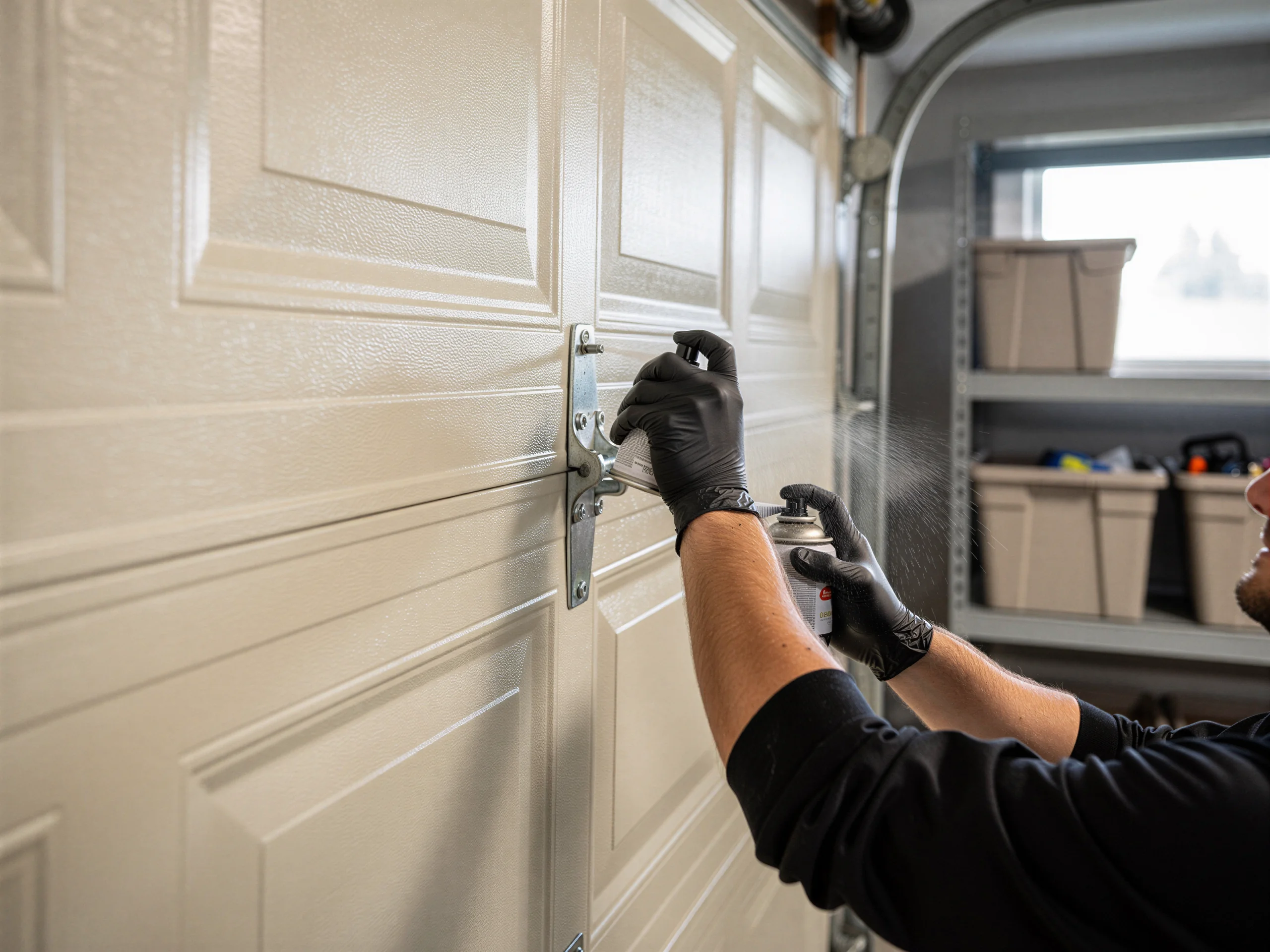
What the Repair Takes
A maintenance visit isn't a quick spray of oil and a wave goodbye. It starts with a balance check - disconnect the opener, move the door by hand, and see if it holds position at the halfway mark.
Spring tension first
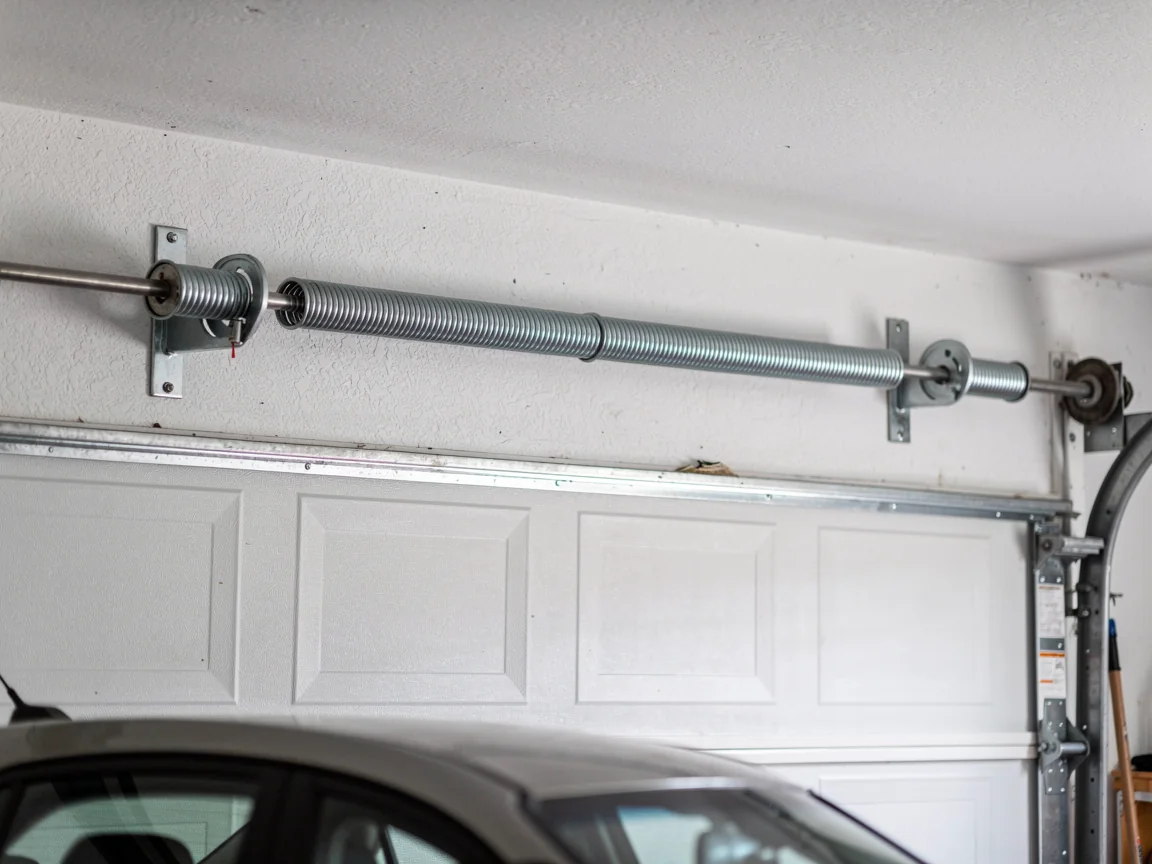
If it drops or shoots up, the torsion spring tension is off, and that gets adjusted before anything else. From there it's track alignment (sighting down both rails for gaps or bends), hinge and roller inspection for pitting or flat spots, cable condition at the drum, and hardware torque - every bolt on a garage door loosens a little with each cycle, and nobody checks that until something rattles.
Lubrication by part type
Lubrication matters more than most owners think, but it's not WD-40 on everything. Springs, hinges, and rollers each want a different approach, and over-lubing the track actually attracts grit and makes things worse. We also test the auto-reverse safety sensors and the force settings on the opener, since those drift out of spec over time and are the kind of thing nobody notices until a door closes on something it shouldn't.
Tune-ups cannot fix damage
One honest limit here: maintenance won't fix a bent track, a cracked panel, or a spring that's already snapped. Those are repair jobs, not tune-ups, and trying to adjust your way around a damaged part usually just wears out something else faster.
What Causes It Around Here
Most houses in this service area went up between 1973 and 2014, with the typical build year landing around 2002, and the stock across the 24 named communities we cover leans heavily toward that 2000s construction wave. What that means in practice: a lot of garage doors installed during the original build are now 15 to 25 years old, and the hardware that came with them - torsion springs, nylon rollers, cable drums - is reaching or past its rated cycle count all at roughly the same time.
The climate here sits in a moderate heat band, not an extreme one, so the wear pattern isn't dramatic cracking or warping. It's slower and quieter: grease hardening and drying out through repeated heat cycles, dust and pollen working into roller bearings, and rubber weatherseal stiffening until it stops sealing the bottom gap. None of that announces itself with a bang. It shows up as a door that's just a little louder, a little slower, or a little harder to lift than it used to be.
Because so many homes in this area were built within the same couple of decades, a lot of these doors are aging out together, which is exactly why a maintenance check now - before a part fails outright - tends to be cheaper than waiting for the spring to go.
Time on the Job
A maintenance visit moves through the door systematically rather than rushing to the lubricant can. We start outside with the track, rollers, and hinges, checking for wear and movement that shouldn't be there.
Spring system inspection
Then it's the spring system - torsion springs mounted above the door take the brunt of daily cycling, and tension drifts even on a door that's never given you trouble. After that, cables and drums get a visual check for fraying or uneven winding.
Opener reversal sensor checks
Inside, the opener gets attention: chain or belt tension, force and travel limits, and the safety reversal sensors near the floor. These get bumped, knocked out of alignment, or just drift electronically, and a door that doesn't reverse properly on contact is a real safety issue, not a convenience one.
Closing test cycle
We wrap with a full cycle test - open and close a few times, listening for anything that still sounds off after adjustments, and checking that the door stops exactly where it should rather than drifting past the limit switch. If something needs parts beyond what a tune-up covers, that gets flagged separately rather than folded into the visit, since ordering a specific spring size or roller type isn't something we carry on the truck for every variation.
The Symptom
The most common early flag in this area isn't a door that won't open - it's one that's gotten louder or slower without anyone noticing the change happen.
Hitch mid-travel
A door that used to glide now has a hitch partway up, or the opener strains for a second before catching. That hesitation is usually a spring that's lost tension, not failed outright, and it's the stage where a maintenance visit still counts as prevention rather than repair. Other signals: a door that closes unevenly, dipping on one side before the other, which points to roller or cable wear on that side rather than a balanced problem.
Stiff seal and squeal
A bottom seal that's gone stiff and lets daylight or a draft through the gap. Grinding or squealing from the track, especially right at the moment the door starts moving, which is usually dry hinges or a roller that's starting to flat-spot. None of these mean the door is about to fail tonight.
Hardware nearing end of life
They mean the hardware is at the point in its life where a 15-year-old door and a 20-year-old door start behaving very differently, and across a service area where that age range covers a lot of garages at once, catching the hesitation early is cheaper than waiting for the spring to let go.
Questions
Common questions
How often should I get my garage door serviced?
We don't quote a fixed interval here since that depends on how many cycles your door sees and how it's held up, but if your home falls in the 2000s-era construction common across this area, a check-up once the door hits the 15-year mark is a reasonable point to start paying attention, sooner if you're already hearing noise.
Will maintenance fix a noisy garage door?
Often, yes - a lot of noise comes from dry hinges, worn rollers, or loose hardware, all of which get addressed in a maintenance visit. If the noise is coming from a bent track or a spring that's already failing, that moves into repair territory instead.
Do you serve areas outside The Colony?
This service covers the broader area including towns like Oak Point, Lake Dallas, Hickory Creek, and others within roughly a 20-mile radius, each with its own page for local detail.
Explore more
Explore More Services In The Colony, TX
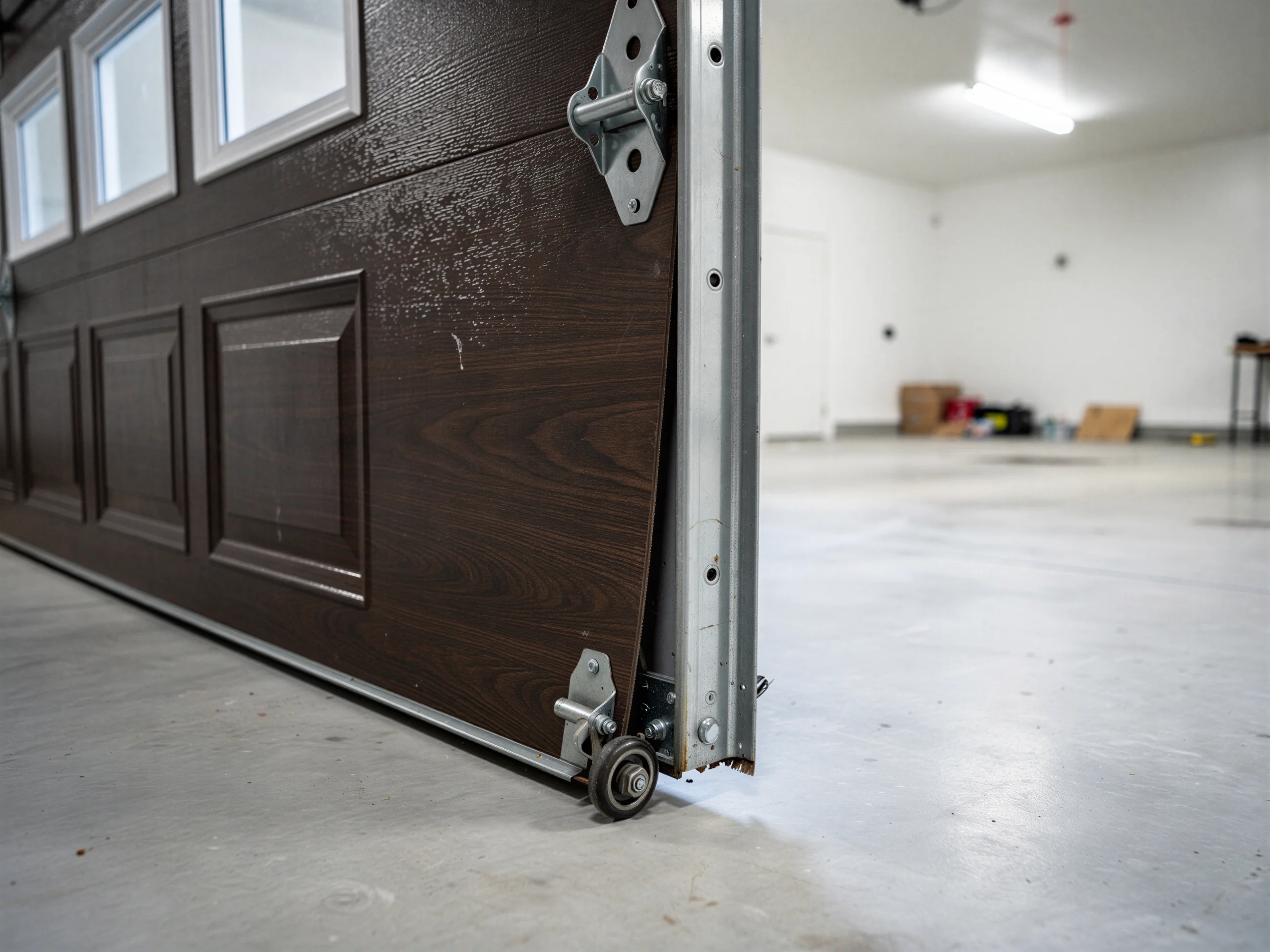
Garage Door Off Track: What's Actually Going On
Off-track garage doors are common in this area's 2000s-era housing stock. Learn more →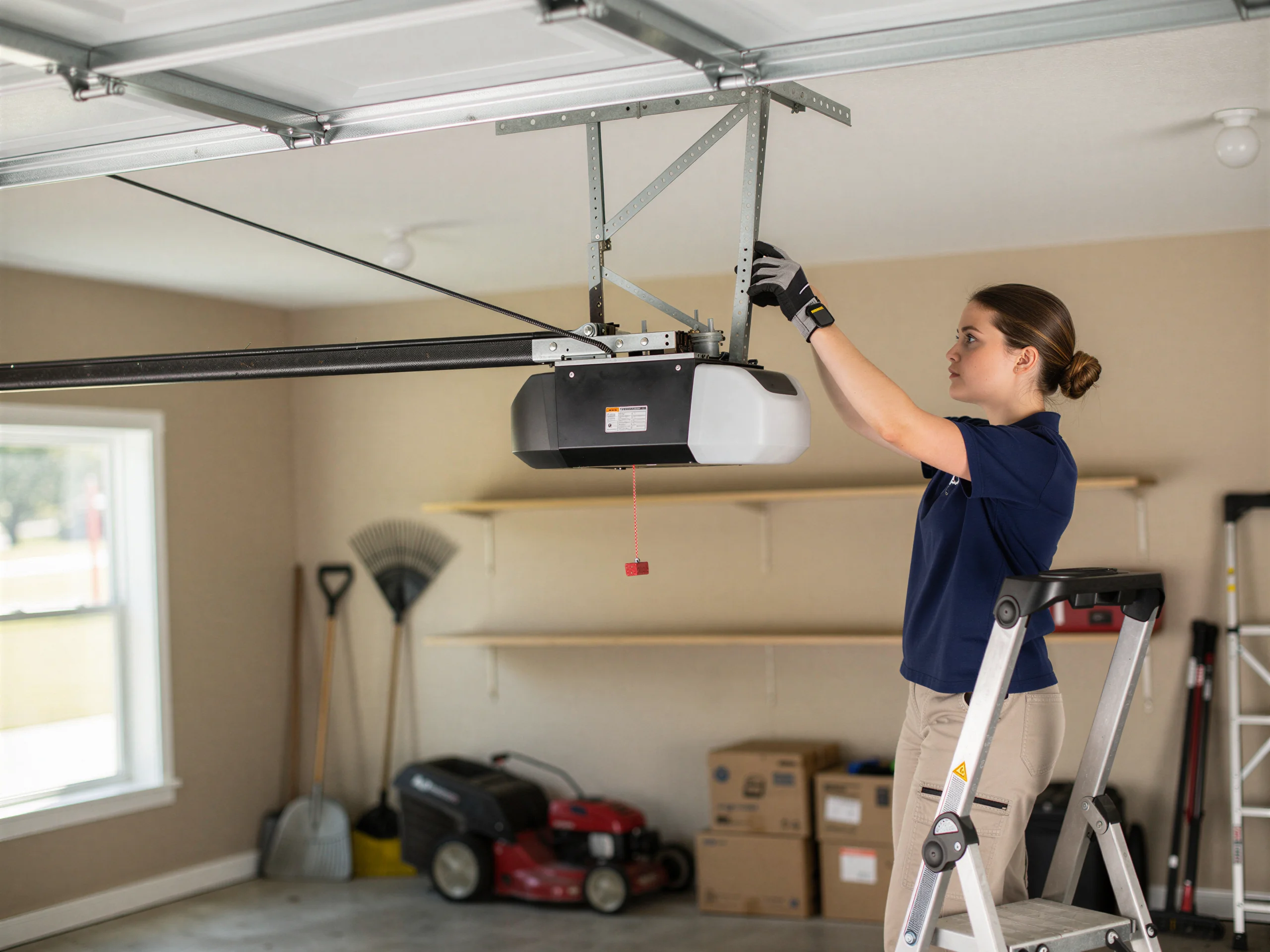
Garage Door Opener Repair Around The Colony
Opener repair for The Colony homes built mostly in the 2000s, where heat-worn belts and circuit boards fail the same way across 24 nearby neighborhoods. Learn more →
Garage Door Panel Replacement, The Colony TX
Dented or cracked garage door panel in The Colony? Learn more →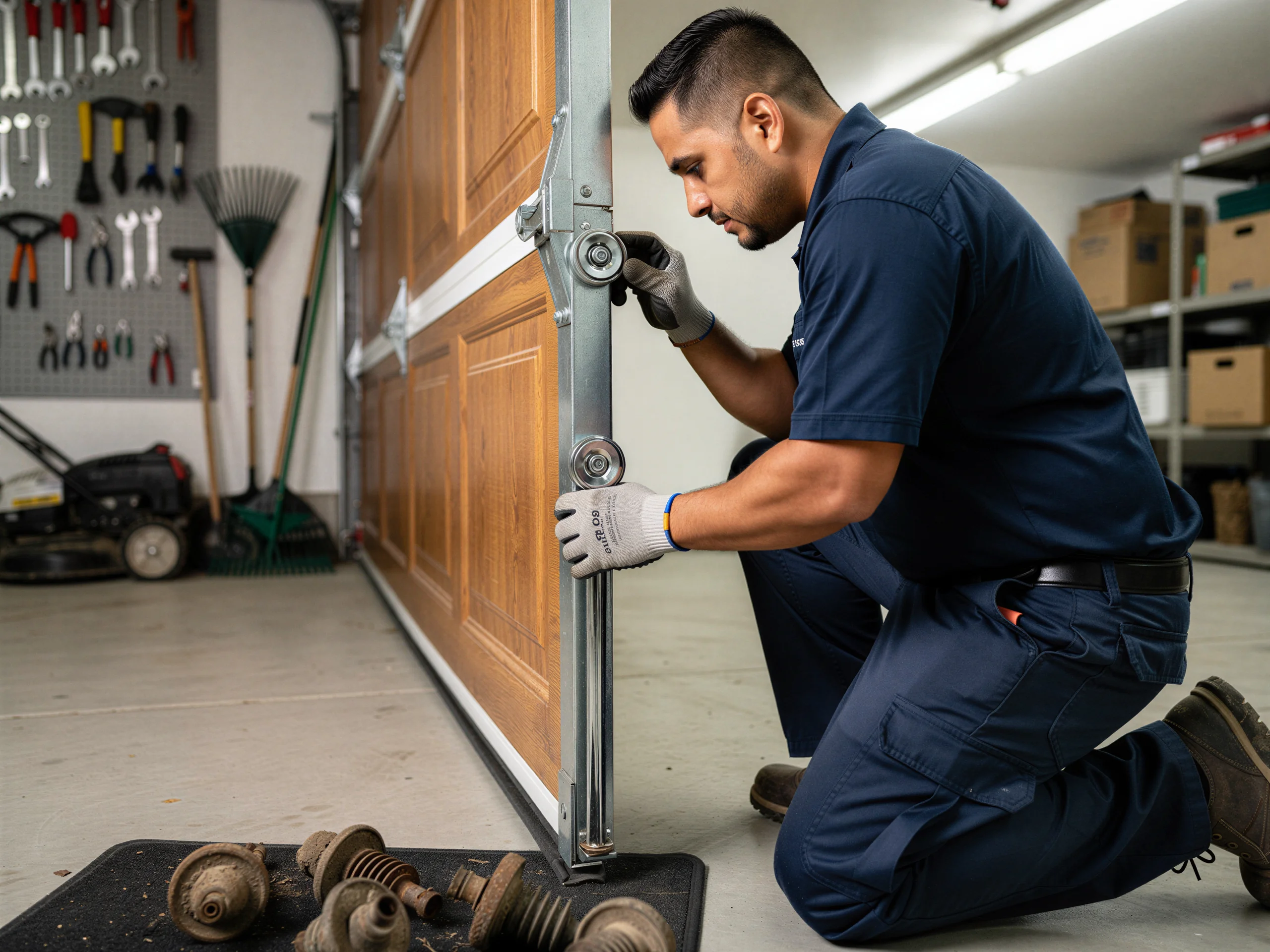
When the Rollers Go, the Whole Door Lets You Know
Garage door rollers wearing out in The Colony, TX? Learn more →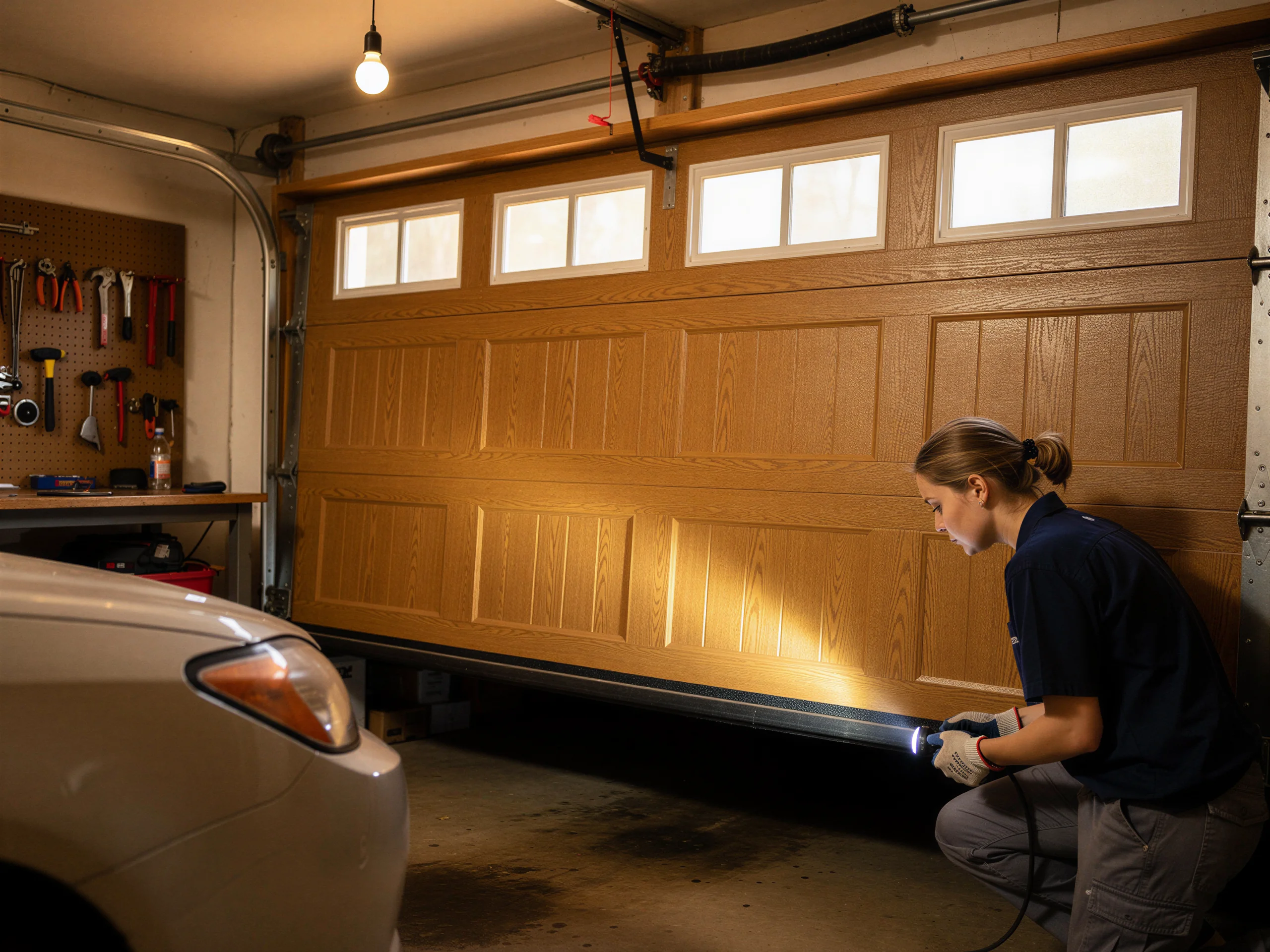
Garage Door Repair for The Colony Homes Built in the 2000s Boom
Most homes in The Colony went up between 1973 and 2014, median year 2002 - which means original torsion springs and builder-grade openers are reaching the end of their rated cycles now. Learn more →
Garage Door Installation Built for The Colony's Housing Stock
Most homes in The Colony went up between 1973 and 2014, so door sizes, track styles, and opener mounts vary block to block. Learn more →Ready when you are
Time for a garage door tune-up in The Colony?
The Colony Garage Door Pros repairs and installs garage doors, springs and openers in The Colony, TX and the surrounding area.