
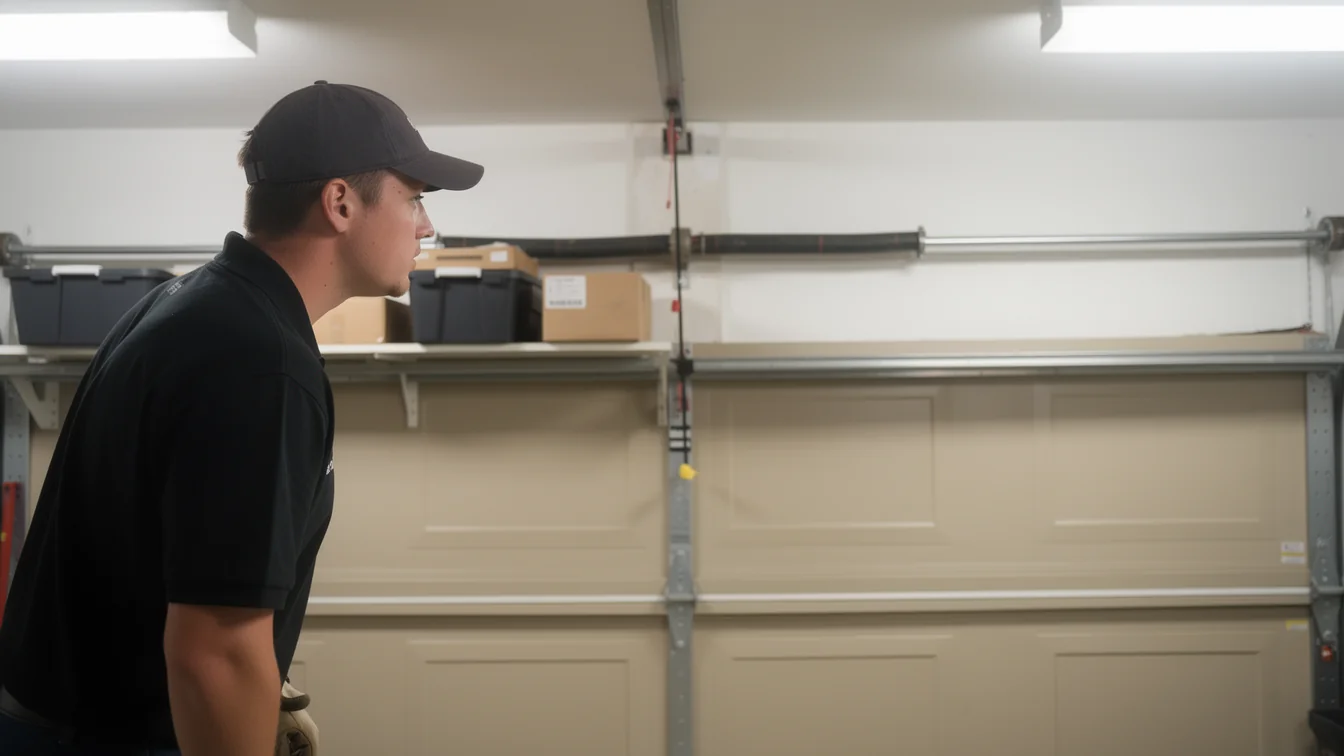
What Your Garage Door Is Trying to Tell You
Most homes in The Colony went up between 1973 and 2014.
Read moreThe Colony's housing mostly went up in the 2000s build boom, and that era's track hardware is now old enough to work loose. Here's why doors jump the rail and what actually causes it.
Local detail
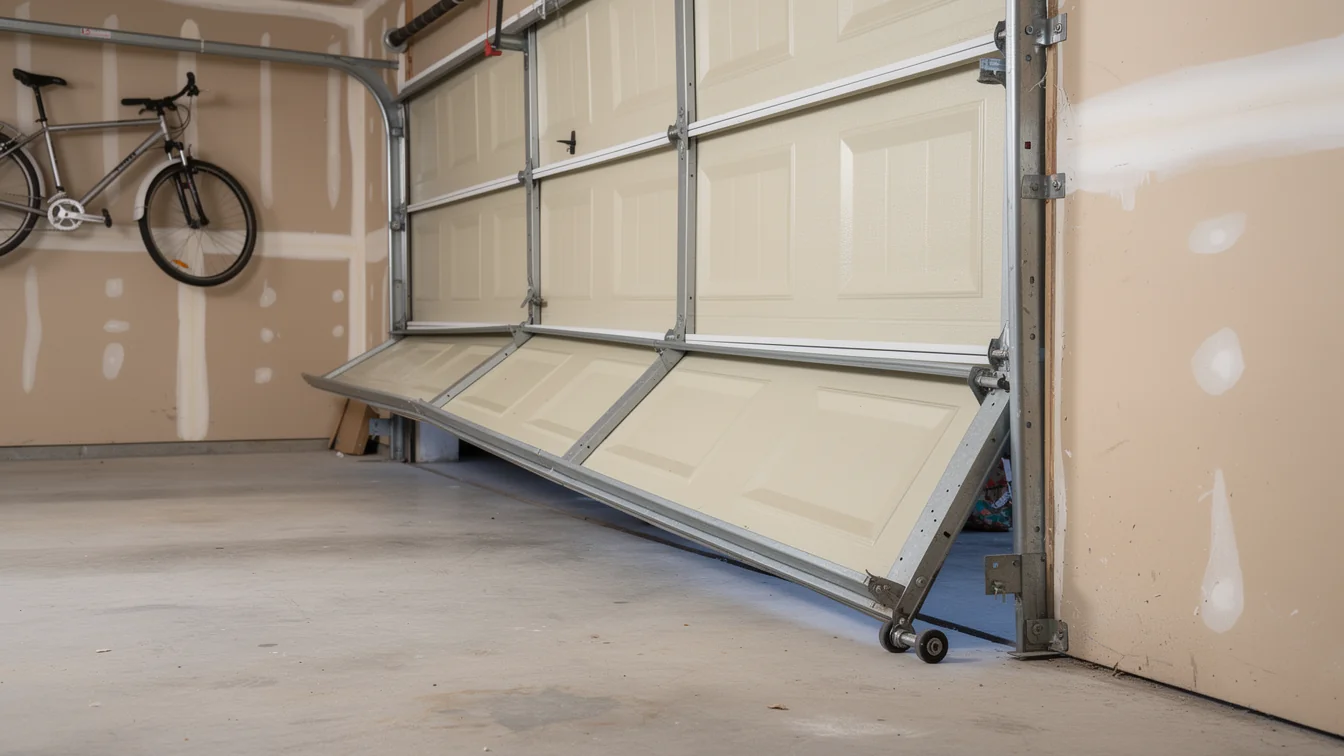
The first mistake is blaming the roller. Most of the doors we look at in The Colony are original to houses built during the 2000s run of construction here, which means the track itself is the same age as the house - not a replacement, not an upgrade, just the builder-grade steel that went in on install day. When that track starts to rattle or a panel starts walking out of the channel, people reach for a wrench and tighten whatever bolt is closest, usually the roller bracket, when the actual problem is the vertical track pulling away from the wall stud behind it. On a door that age, the mounting screws have had fifteen to twenty years of the door's weight working against them every time it opens and closes. A few turns on a loose screw buys you a week. It doesn't fix a bracket that's already bent or a stud that's stripped out. If you're tightening the same spot every month, that's not a maintenance habit, that's a sign the track needs to come off and get remounted properly, which is a different job than a tune-up.
The other common error is ignoring a door that only jumps track on one side. People wait for it to get worse on its own. It generally does.
The area
The Colony sits in a moderate-heat climate band, which doesn't sound dramatic next to the summers further south, but it's enough to put real expansion and contraction stress on steel track over a long Texas summer into a cooler winter. That cycle repeats every year, and every year it works the mounting bolts a fraction looser. On a door from the early 2000s, that's two decades of cycles. You don't see it happen - you see the result, which is a track that's drifted a quarter inch out of plumb and now catches a roller wrong on the way up.
Because most of this area's housing stock dates to roughly the same decade, we see the same failure pattern across a lot of driveways: steel track, aluminum brackets, same vintage of fasteners, all aging out at close to the same rate. It's not a defect in any one house. It's what happens when a whole neighborhood's garage hardware is the same age and has sat through the same twenty summers. A door going off track in a 2003 house here isn't a fluke - it's closer to schedule.
What we find
Not every off-track door needs a same-day call. If a door is only rubbing slightly against the track on one side and still opens and closes without binding, you can usually get a window of time before it needs attention - a few weeks, sometimes longer, depending on how the household uses the door. We won't tell you to replace a track the day it starts making noise.
Where we draw the line: once a roller has actually left the channel, or the door won't seat flush in the opening, that's not a wait-and-see situation anymore. A door hanging on one track is a door that can drop. We also won't pretend every fix is a quick tighten - if the vertical track has bent, which happens more often than people expect on these older setups, patching it back into place is a temporary fix at best, and we'll tell you that rather than charge you twice.
How we work
If your door is scraping on one side, closing crooked, or you can see daylight between the roller and the track at the top of the opening, that's the off-track pattern we see most in this area's older housing stock. It's rarely sudden. It's usually the slow result of hardware that's been doing its job quietly for close to twenty years and has finally worn past the point a homeowner can tighten away.
We look at the whole run - track, brackets, rollers, the wall studs behind the mounts - before deciding whether this is a remount or a track replacement. Get in touch and we'll tell you straight which one it is.
Questions
It's rarely sudden even when it feels that way. On houses built here in the 2000s, the track hardware has had close to two decades of expansion and contraction from Texas summers working the mounting bolts loose. By the time a roller actually leaves the channel, the bracket behind it has usually been drifting for a while.
You can sometimes reseat a roller if it's only partway off and the door is otherwise unloaded, but we'd rather you didn't force it. A door under spring tension that's already misaligned can shift unpredictably. If it won't seat with light hand pressure, stop and call.
That depends on the terms of your specific builder or home warranty, which we don't have visibility into. We can tell you what's mechanically wrong with the track and hardware; whether it's covered is a question for whoever issued the warranty.
Recommendation
More garage door guides for The Colony homeowners.
Most homes in The Colony went up between 1973 and 2014.
Read more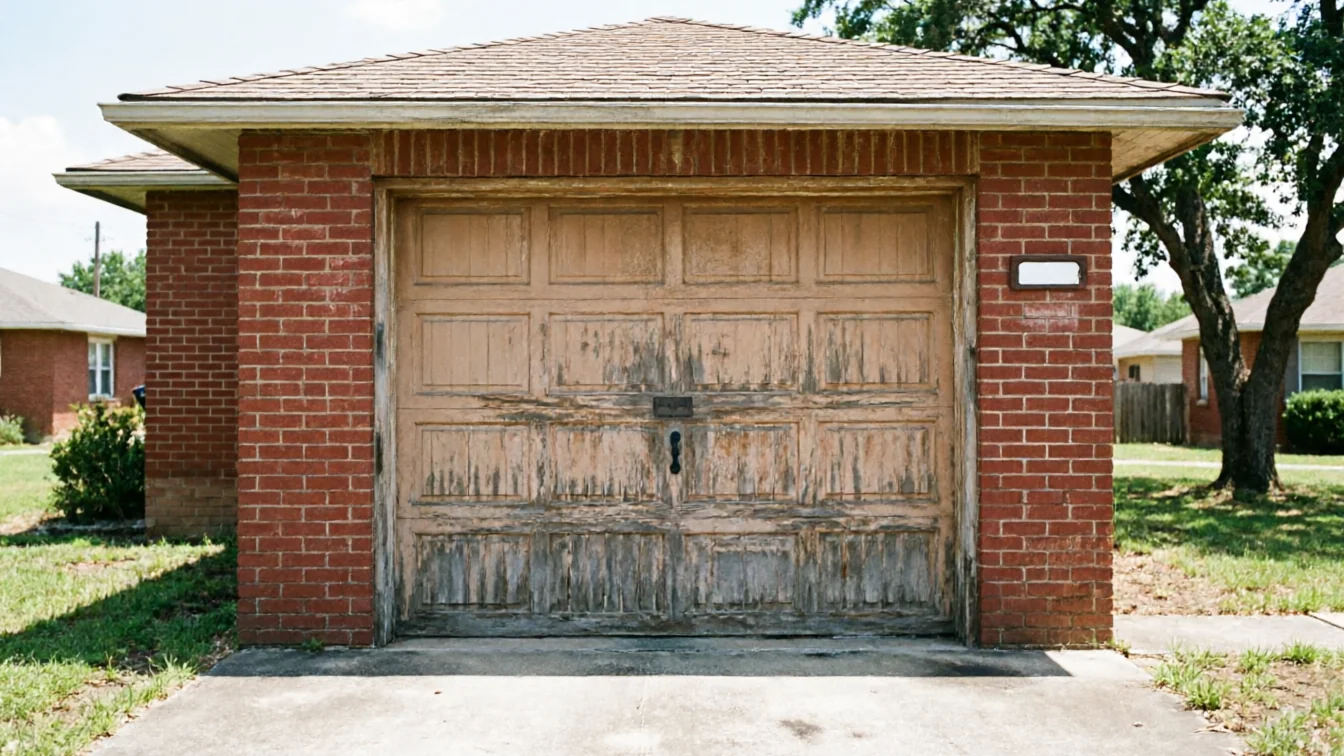
Most homes in The Colony went up between 1973 and 2014, median 2002.
Read more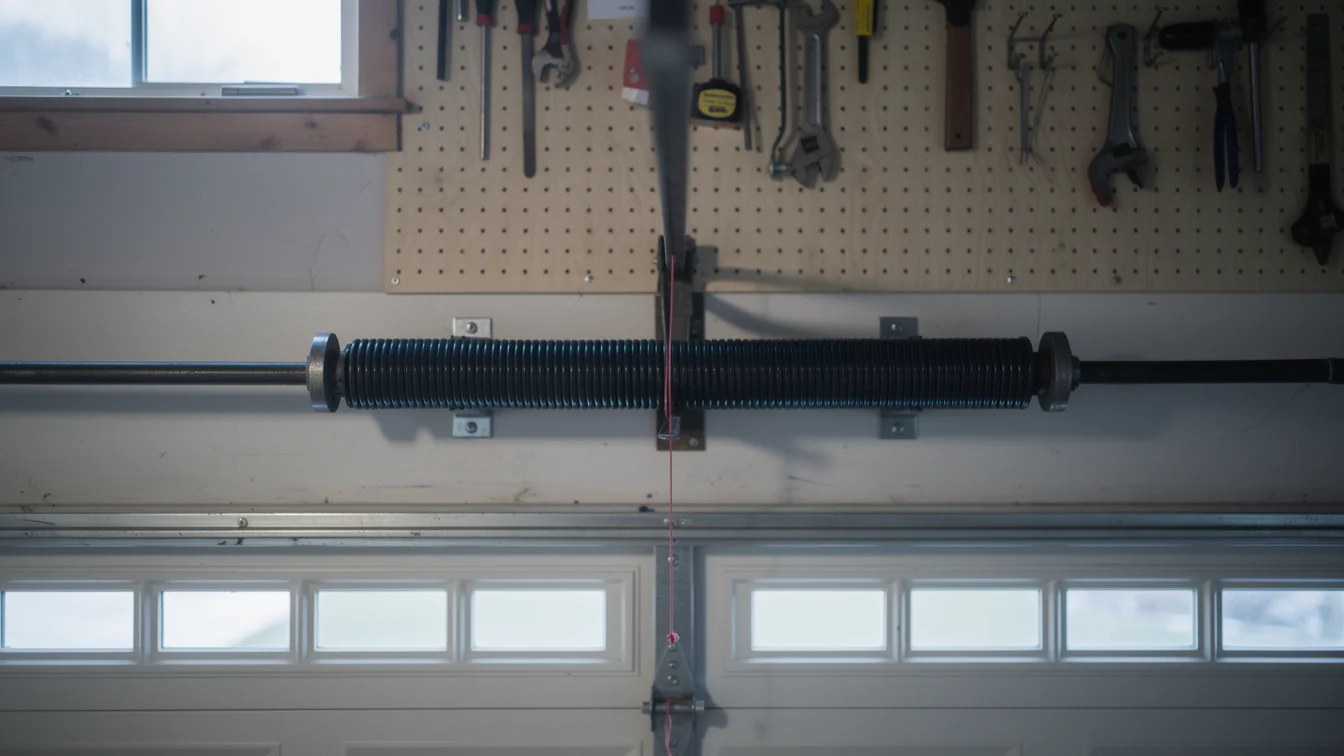
The Colony's housing stock dates mostly from 1973-2014 and sits in a moderate-heat climate band, so a cold front finds springs already worn thin, not freshly stressed.
Read moreReady when you are
The Colony Garage Door Pros repairs and installs garage doors, springs and openers in The Colony, TX and the surrounding area.