
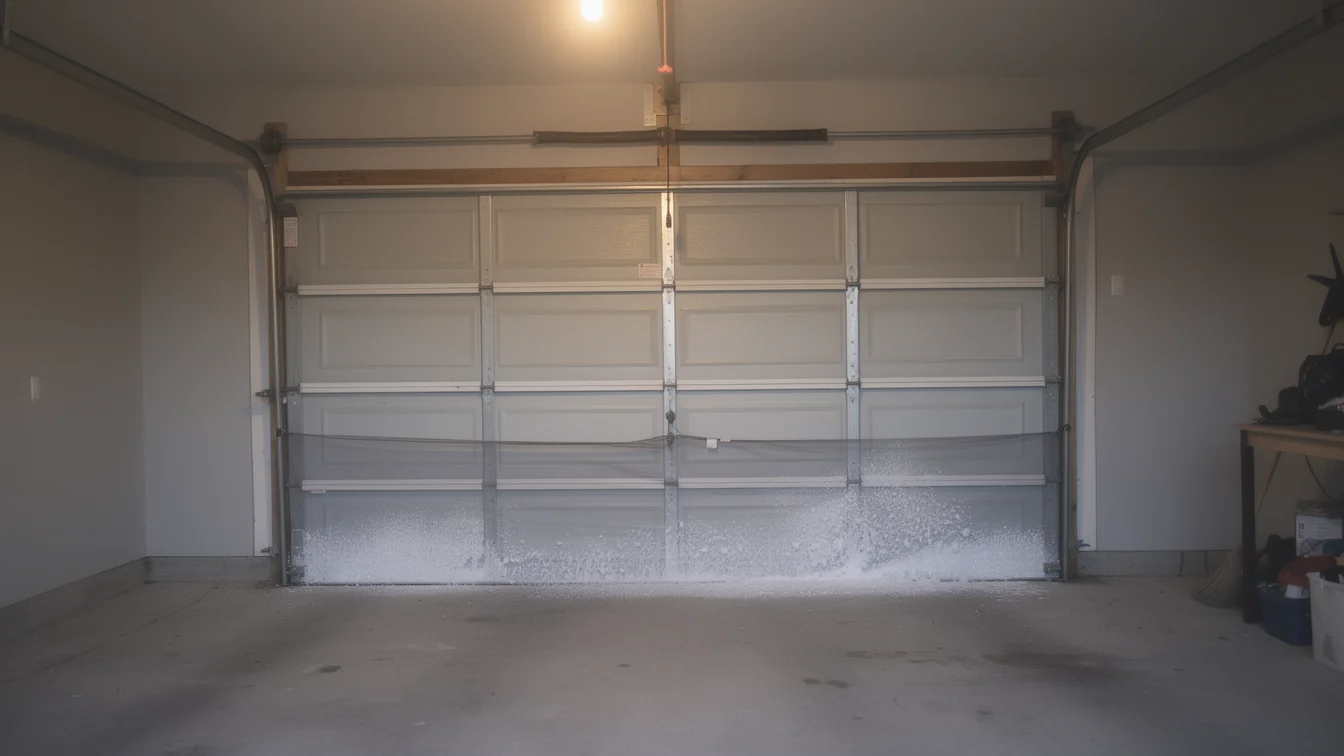
When Your Garage Door Predates The Energy Code
The Colony homes built before the early 2000s often predate insulation-code garage doors, leaving older one-piece doors leaking heat into the attic above.
Read moreIn The Colony, TX, most garage doors sit on homes built 1973-2014. Texas heat dries out factory bottom seals fast, leaving gaps and draughts at the slab.
Local detail
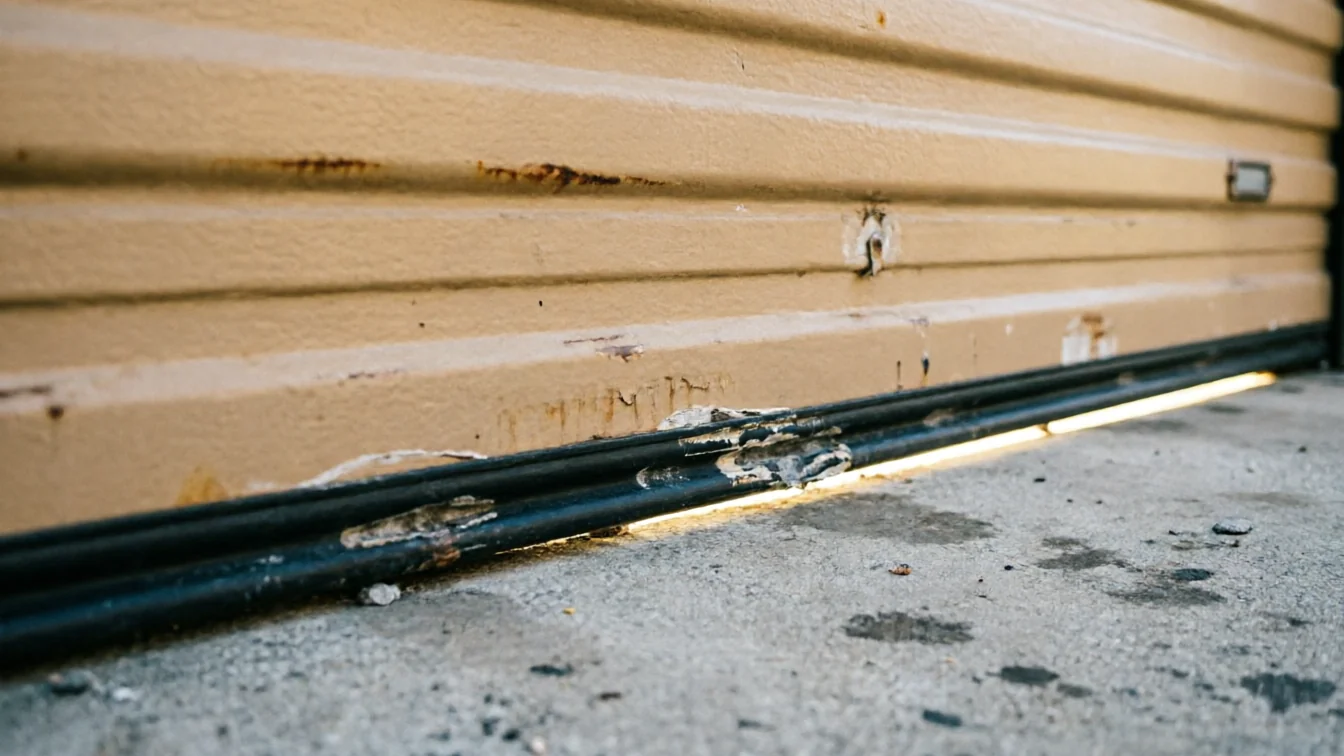
The usual mistake is treating a draught at the bottom of the door as a caulking problem. It isn't, most of the time. Housing in this area went up between 1973 and 2014, with the median build landing around 2002, so a huge share of the doors we look at still carry the original factory bottom seal that came with the opener and track package the builder spec'd twenty-plus years ago. That PVC strip was never meant to last the life of the house. Owners caulk the slab edge, add a door sweep, even stuff a towel under the gap during a cold snap, and the draught comes right back because the seal itself has shrunk and pulled away from the track, not because the slab moved. Another pattern: people replace the seal once and assume that's the end of it. On a 2000s-era aluminum track, a seal that's been baking and cooling for two decades usually means the retainer channel has also widened slightly, so a stock replacement strip sits loose and still lets air through at the corners. You have to check the channel, not just swap the rubber.
The area
The Colony sits in a climate band federal sources classify as moderate heat, not the harshest in the state, but still enough summer expansion and winter contraction to work PVC and rubber seals harder than a mild climate would. That cycling is the main reason seals on homes from this build era - most of the stock across the area's named neighborhoods dates to the early 2000s - tend to crack and stiffen on the sun-facing side of a garage before anywhere else. A west-facing door bakes through the afternoon and then cools overnight, and the seal flexes through that swing every single day for years. On slab-on-grade construction, which is standard for the 1973-2014 housing stock here, there's also less give at the slab edge than a raised foundation gives you, so even a slightly shrunk seal shows up as a visible gap rather than a hidden one. None of this is dramatic weather - no named storm needed. It's just steady thermal cycling doing its job on a strip of rubber that was installed once and never looked at again.
What we find
Here's the honest part: a draught alone doesn't mean you need a new door, and it often doesn't even mean you need a new opener or track. If the seal is just dried and cracked but the track alignment is still true, a replacement bottom seal is a straightforward fix and not something we'd pad into a bigger job. Where it stops being a DIY afternoon is when the retainer channel itself has widened or warped - common enough on doors from the 1973-2014 building era once they hit the twenty-year mark - because then a stock seal won't seat right no matter how many times you reinstall it, and you're looking at a channel or full bottom panel replacement instead. We also won't tell you to replace a door that's structurally fine just because the seal failed; that's spray-foam-level overkill for a $20 part, most of the time. The limitation worth knowing: seal profiles vary by track manufacturer, and matching the exact retainer shape from an early-2000s build sometimes takes an extra order rather than something off the shelf same-day.
How we work
Across this service area there are roughly 82,997 households and 55,113 owner-occupied houses, the bulk of them built in that same 1973-2014 window with the center of gravity around 2002. That's a lot of garages built the same decade, with the same seal material, hitting the same failure point around now. Median household income here runs about $153,263, which means most owners we talk to aren't looking to nurse a cracked seal along with tape - they'd rather fix it right once, including the retainer channel if that's what's actually worn. The practical upshot for The Colony specifically: if your house falls into that common build era, a draught at the bottom of the door is less a mystery and more a predictable maintenance item that a lot of your neighbors are dealing with at the same time. We work within this area and don't claim reach beyond it.
Questions
It's thermal cycling, not a single weather event. PVC bottom seals installed on homes from this area's common 1973-2014 build era shrink slightly with summer heat and stiffen in cooler stretches, so the gap can look worse in one season and almost disappear in another even though the seal itself hasn't changed.
Usually just the seal, if the retainer channel is still straight. On older tracks from this build era the channel sometimes widens enough that a stock seal won't seat tight, and that's the point where it's a channel or panel job instead of a simple strip swap.
Most of the housing stock across this area dates to the same general period, roughly 1973 through 2014 with a lot of it built around 2002. Doors installed in that window share the same seal material and the same expected failure timeline, so a lot of owners notice the same draught around the same age of house.
Recommendation
More garage door guides for The Colony homeowners.
The Colony homes built before the early 2000s often predate insulation-code garage doors, leaving older one-piece doors leaking heat into the attic above.
Read more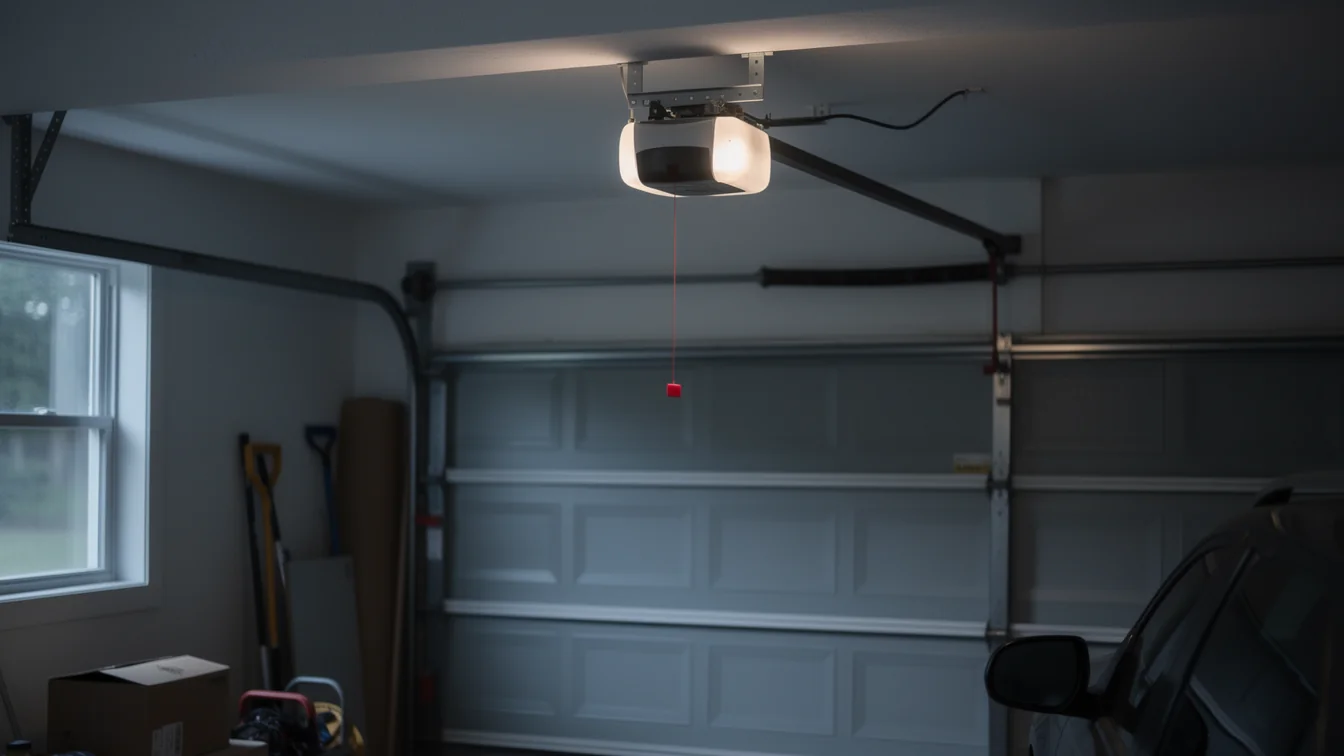
Most openers in The Colony's 2000s-era homes predate battery backup.
Read more
Most homes in The Colony went up between 1973 and 2014.
Read moreReady when you are
The Colony Garage Door Pros repairs and installs garage doors, springs and openers in The Colony, TX and the surrounding area.