
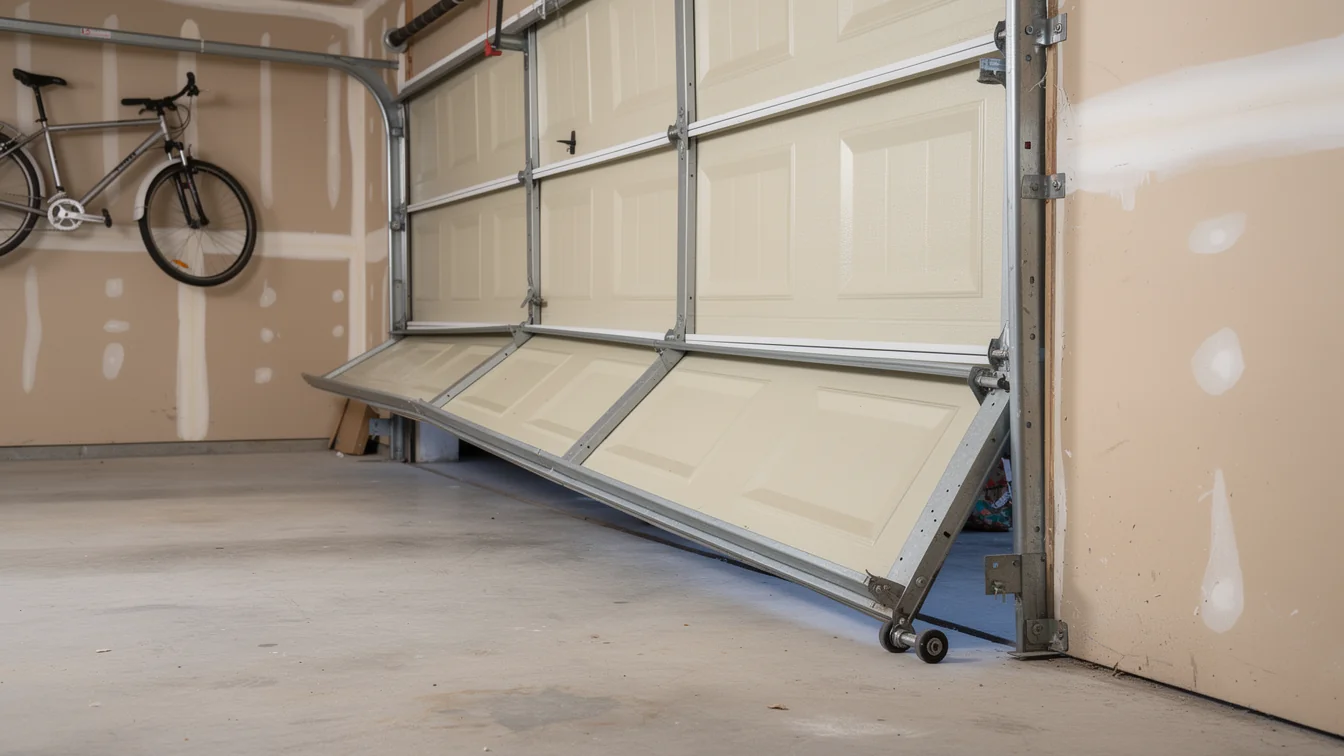
Why a Door Goes Off Track in The Colony
The Colony's housing mostly went up in the 2000s build boom, and that era's track hardware is now old enough to work loose.
Read moreThe Colony's housing stock dates mostly from 1973-2014 and sits in a moderate-heat climate band, so a cold front finds springs already worn thin, not freshly stressed.
Local detail
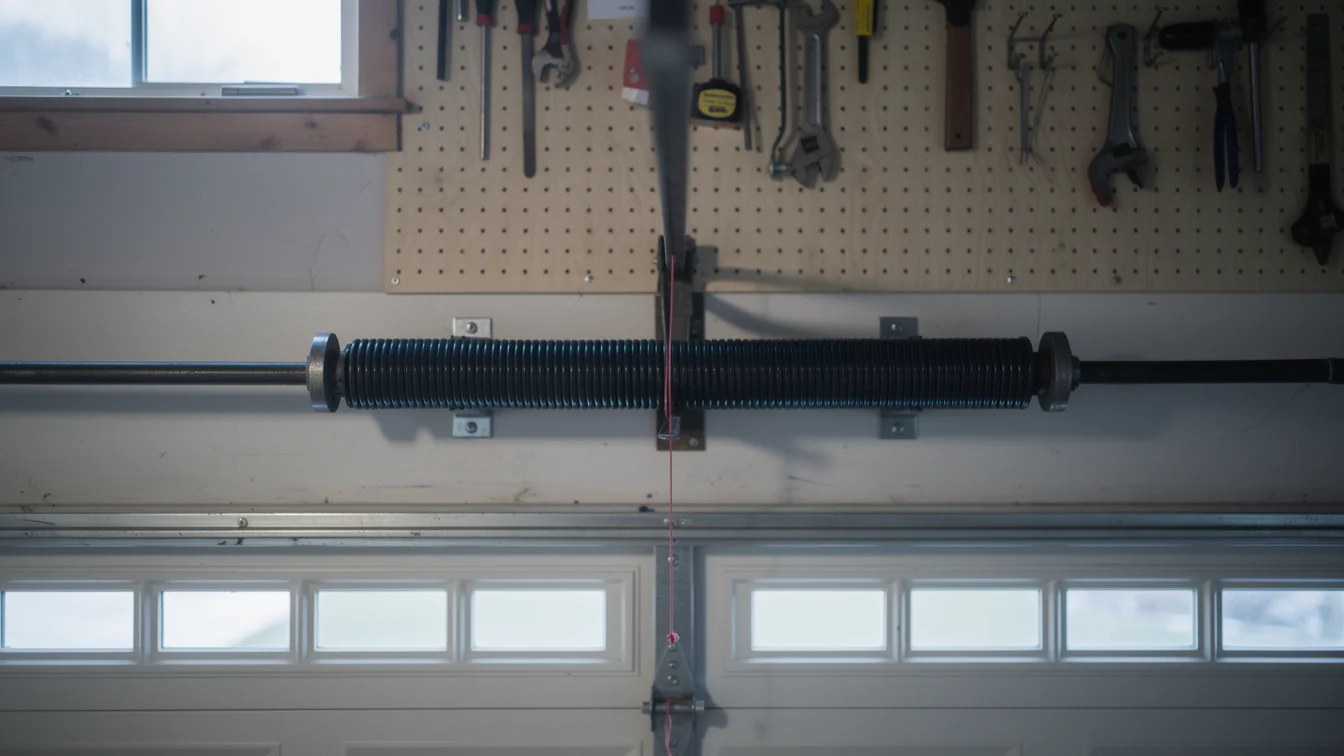
Most owners around here treat a sticking door as a cold-morning problem instead of what it usually is: a spring that was already near the end of its life before the temperature dropped. Housing across this service area was built mostly between 1973 and 2014, with the median landing around 2002, which means a huge share of torsion springs were wound two decades ago and have already logged thousands of open-close cycles under summer heat, dust, and daily use. A cold snap doesn't cause that wear - it just happens to be the day the spring finally gives out, so people blame the weather instead of the age of the part. The mistake is waiting for a visible sign, like a sagging door or a loud bang, before calling anyone. By the time you hear that bang, the spring has already snapped, and now you're dealing with a door that won't move at all instead of a scheduled swap. With median household income in the area at $153,263, most owners here can afford to replace a spring before it fails - the issue isn't cost, it's that nobody thinks to check a part they can't see from the driveway.
The area
The Colony sits in a moderate-heat climate band, not a severe-cold one. That matters more than it sounds like it should. A torsion spring under tension spends most of the year working in mild-to-hot conditions, where steel is forgiving and expands slightly rather than tightening up. When a cold front does move through, the metal contracts, the coil tightens, and a spring that's already fatigued from a year of heat cycling and UV exposure on an attached garage is the one most likely to crack under that sudden change. It's not that cold weather is common here - it's that springs in this climate aren't built up the same tolerance for sudden contraction that you'd see in a place where cold is the normal state. Add in that a lot of the stock across the 24 named areas in this service zone is 2000s-era construction, often with the original builder-grade spring still in place, and you get a predictable pattern: the failures cluster right after the rare hard cold snap, not during the long stretches of ordinary Texas heat.
What we find
If your door is opening slower than it used to, or the cable looks loose on one side, you can wait - plenty of people do, and nothing bad happens for weeks or months. But a spring doesn't give much warning before it lets go completely, and when it does, the door won't open at all, which turns a scheduled visit into an emergency one. One honest limitation here: we can't tell you the exact day a worn spring will fail, and neither can anyone else - spring life comes down to cycle count and conditions, not a calendar. What we can tell you is that if one spring on a double door is original to a 2002-median-era house, the other one is roughly the same age and under the same load, so replacing only the broken side is a short-term fix. Most of the time it makes more sense to do both at once rather than pay for a second service call a year later. Doing nothing isn't wrong, exactly - it's just a bet that the cold snap doesn't land on a bad week.
How we work
This service area covers roughly 82,997 households and 55,113 owner-occupied houses spread across towns within about 20 miles of The Colony, including Lake Dallas, Hickory Creek, Highland Village, Corinth, and Lantana, along with closer-in spots like Oak Point and Phillips Creek Ranch just northeast of town. Nearly all of that housing shares the same build window - 1973 through 2014, median 2002 - and the same moderate-heat climate classification, which means the spring-and-cold-snap pattern described above isn't unique to one street, it's baked into the whole area's housing age and weather profile. That's the practical reality: a lot of original hardware, a climate that mostly spares it, and a short cold window each year when the weak links show up. If you want someone to look at a spring before it decides the day for you, you can reach us through the contact page.
Questions
Not on its own. Cold makes steel contract and tighten, which adds stress to a spring that's already worn from years of normal use. In The Colony's moderate-heat climate, springs don't get hardened against sudden cold the way they might elsewhere, so a fatigued spring is more likely to fail on the rare cold snap than on an ordinary day.
It's about cycle count more than age, but since most homes in this area were built between 1973 and 2014 with a median around 2002, a lot of original springs have already logged well over a decade of daily openings. If yours has never been replaced, it's worth having someone check it before winter.
If one spring breaks and the other is the same age, which is usually the case in homes from this area's build era, we'd replace both. It costs more upfront than a single spring but saves you a second service call when the matching one gives out a few months later.
Recommendation
More garage door guides for The Colony homeowners.
The Colony's housing mostly went up in the 2000s build boom, and that era's track hardware is now old enough to work loose.
Read more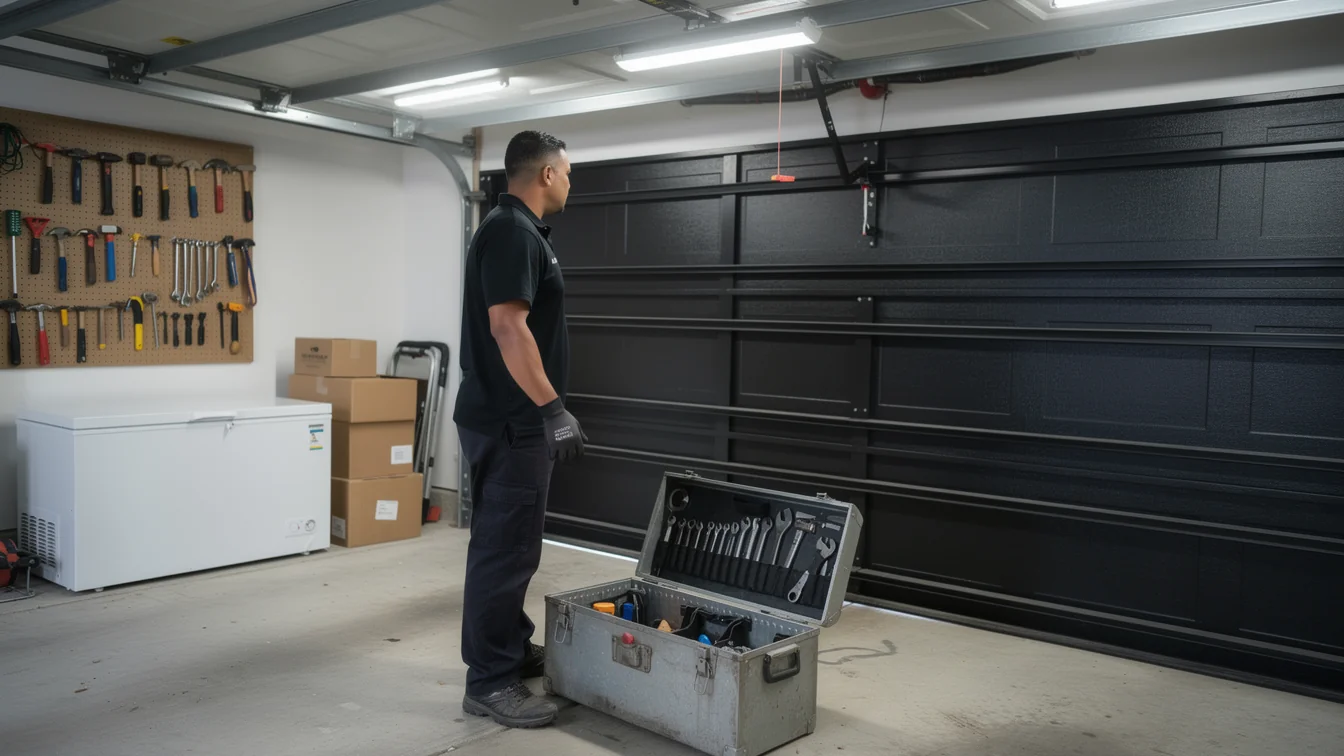
A straight answer for The Colony homeowners on what a garage door service call actually includes, based on local housing age, climate, and household numbers.
Read more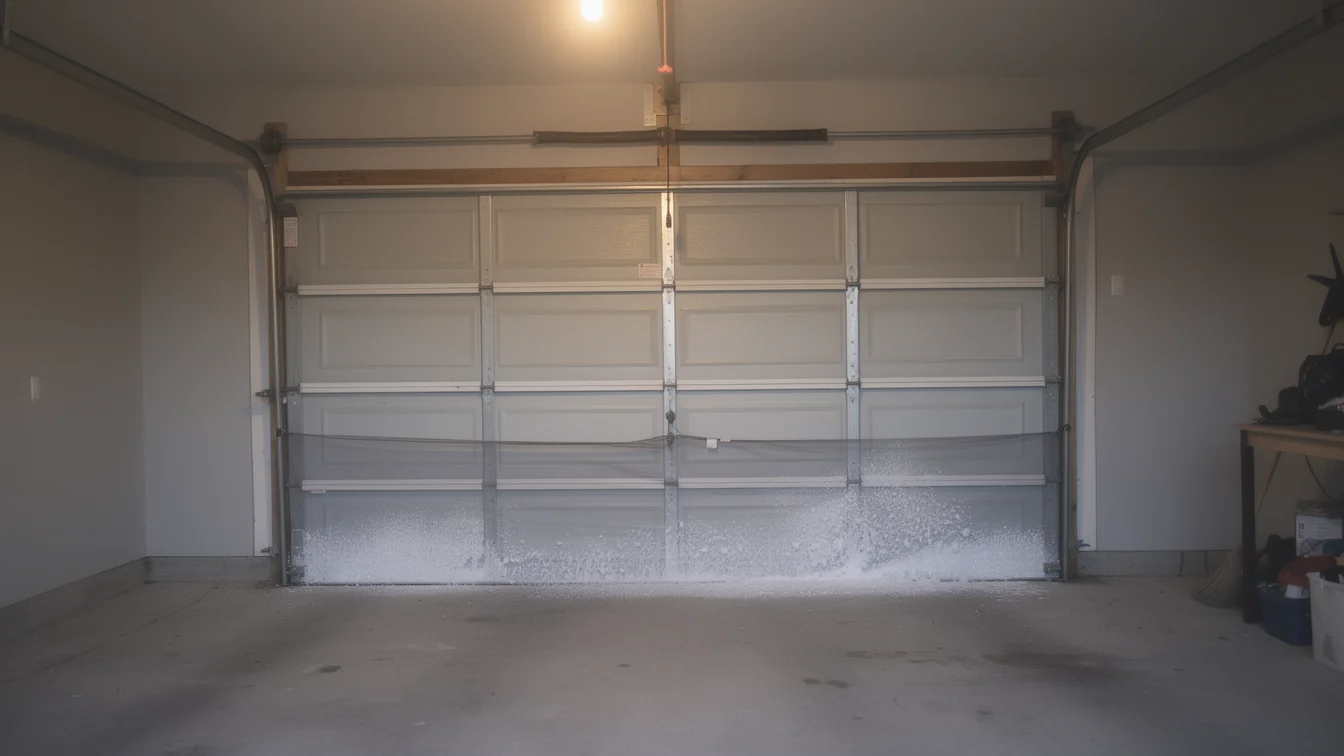
The Colony homes built before the early 2000s often predate insulation-code garage doors, leaving older one-piece doors leaking heat into the attic above.
Read moreReady when you are
The Colony Garage Door Pros repairs and installs garage doors, springs and openers in The Colony, TX and the surrounding area.