
Why Power Cuts Hit Garage Door Openers Harder in The Colony
Most openers in The Colony's 2000s-era homes predate battery backup.
Read moreThe Colony homes built before the early 2000s often predate insulation-code garage doors, leaving older one-piece doors leaking heat into the attic above.
Local detail
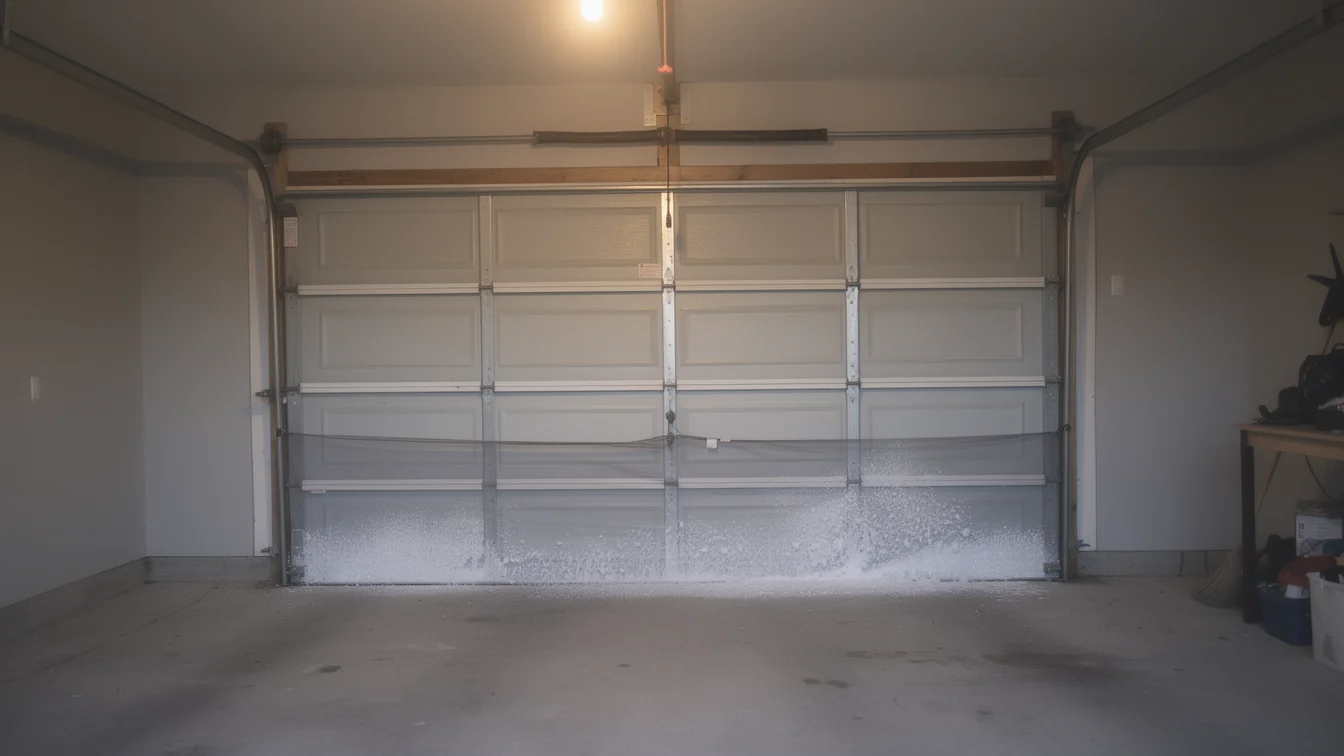
People here look at a garage door that still opens and closes fine and figure it's not an issue. In The Colony, housing went up mostly between 1973 and 2014, with the median build landing around 2002. That spread matters because Texas didn't write statewide insulation and energy-code requirements into residential construction until after a good chunk of the city's first wave of houses were already framed. If your house sits on the older end of that range, the door bolted to your garage was built to a standard from before those rules existed - plain steel or hollow aluminum, no foam core, no bottom seal rated for anything but keeping rain out.
The mistake is treating every door in town the same because the area reads as newer than most of North Texas. It isn't uniform. A door replaced once with a cheap non-insulated panel in 1998 doesn't catch up to code just because the house next door was finished in 2006 under a different spec. The fix isn't guessing by the house's age on the tax record - it's checking the panel itself for a foam core and an R-value sticker, and treating "it still opens" as a separate question from "it still holds heat."
The area
Our climate band here is HEAT moderate, not the extreme swings you get further south or further from Dallas-Fort Worth. That moderate band is exactly why an uninsulated door gets ignored for years - it never causes a dramatic failure, just a slow one. A garage that sits ten degrees hotter than the rest of the house most of the year doesn't trip any alarm. It just means the wall shared with the laundry room or the bonus room above the garage never quite cools down, and the AC runs a little longer than it should every single day.
On houses built before insulation rules applied, that heat has nowhere to go but through a steel skin with nothing behind it. The attic above an attached garage picks up the same load. Swap the door for an insulated panel and the garage temperature swing drops - not because the climate changed, but because the barrier between outside heat and that room finally does its job. It's a small fix for a moderate-heat market like this one; it would matter more in a harsher climate band, and less in a cooler one.
What we find
Honest answer: not every door like this needs replacing right away. If the garage is detached, unconditioned, or just used for storage and the car, an uninsulated door from the 1970s or 80s isn't costing you much beyond a slightly warmer storage space. Where it matters is an attached garage with living space above or beside it, or a garage sharing a wall with the house's main HVAC runs.
We won't tell you to swap a working door just because it predates the rules - that's a sales pitch, not advice. What we will say is that retrofitting foam board to the inside of an old panel is a half-measure; it adds weight the springs weren't sized for and rarely seals the edges well. If the door's structurally sound and the room behind it doesn't need the heat managed, leave it alone. If it does, replacement beats patching, every time we've looked at one closely.
How we work
The housing stock across this part of North Texas is mostly 2000s construction spread across two dozen named areas, which is why most calls we get aren't about insulation at all - they're springs, openers, and rollers on doors still under twenty years old. The exceptions cluster in the pockets built closer to 1973 than 2014, and those are the doors worth a second look.
Income in this service area runs a median household figure of $153,263, and across roughly 82,997 households, about 55,113 are owner-occupied houses - enough volume that "predates insulation rules" isn't a rare edge case, it's a identifiable slice of the garages out there. Out toward Phillips Creek Ranch, just 4 miles NNE, the newer phases rarely have this problem since they were built well after insulated steel doors became standard builder spec. Closer in, toward Lake Dallas or Hickory Creek, you'll find more of the older stock.
If you're not sure which side of that line your door falls on, reach out through our site and we'll walk you through what to check before you spend money on either a patch or a replacement.
Questions
Check the back of the panel. An insulated door has a foam core and usually a printed R-value. A door with just a flat steel or aluminum skin and no backing material is almost certainly from before Texas folded insulation standards into residential energy code, regardless of what year the house itself was permitted.
Not always. In a moderate heat band like ours, an uninsulated door mostly matters if the garage is attached and shares a wall or ceiling with living space. A detached garage used for storage won't see much benefit from the upgrade, so it's not worth the spend in that case.
You can, but it's a half-measure. Adding foam board adds weight the original springs weren't sized for, and it rarely seals the panel edges the way a factory-insulated door does. If the room behind the garage genuinely needs the heat managed, replacement does the job better.
Recommendation
More garage door guides for The Colony homeowners.
Most openers in The Colony's 2000s-era homes predate battery backup.
Read more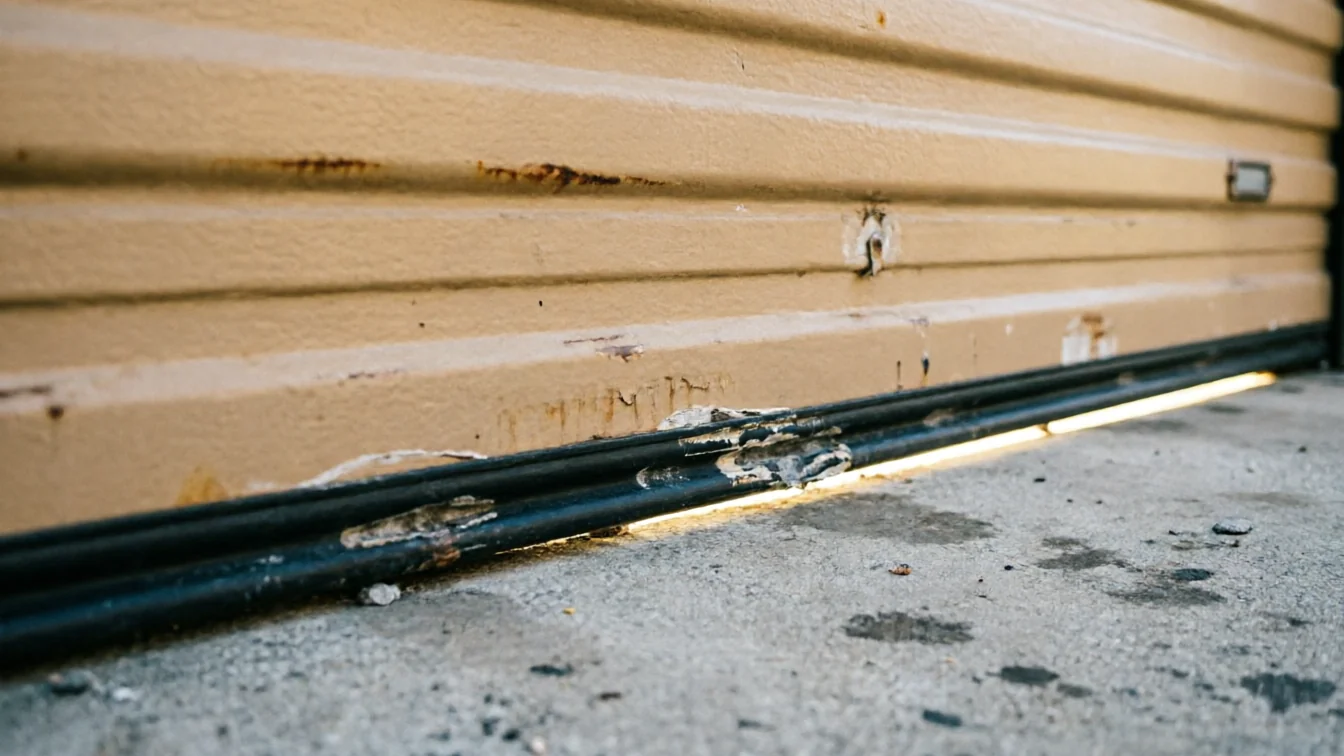
In The Colony, TX, most garage doors sit on homes built 1973-2014.
Read more
Most homes in The Colony went up between 1973 and 2014.
Read moreReady when you are
The Colony Garage Door Pros repairs and installs garage doors, springs and openers in The Colony, TX and the surrounding area.