
The Colony, TX
Why Garage Door Springs Snap in The Colony, TX
Most garage doors in The Colony run on torsion springs installed when the house went up between 1973 and 2014 - here's why they fail and what fixing one takes
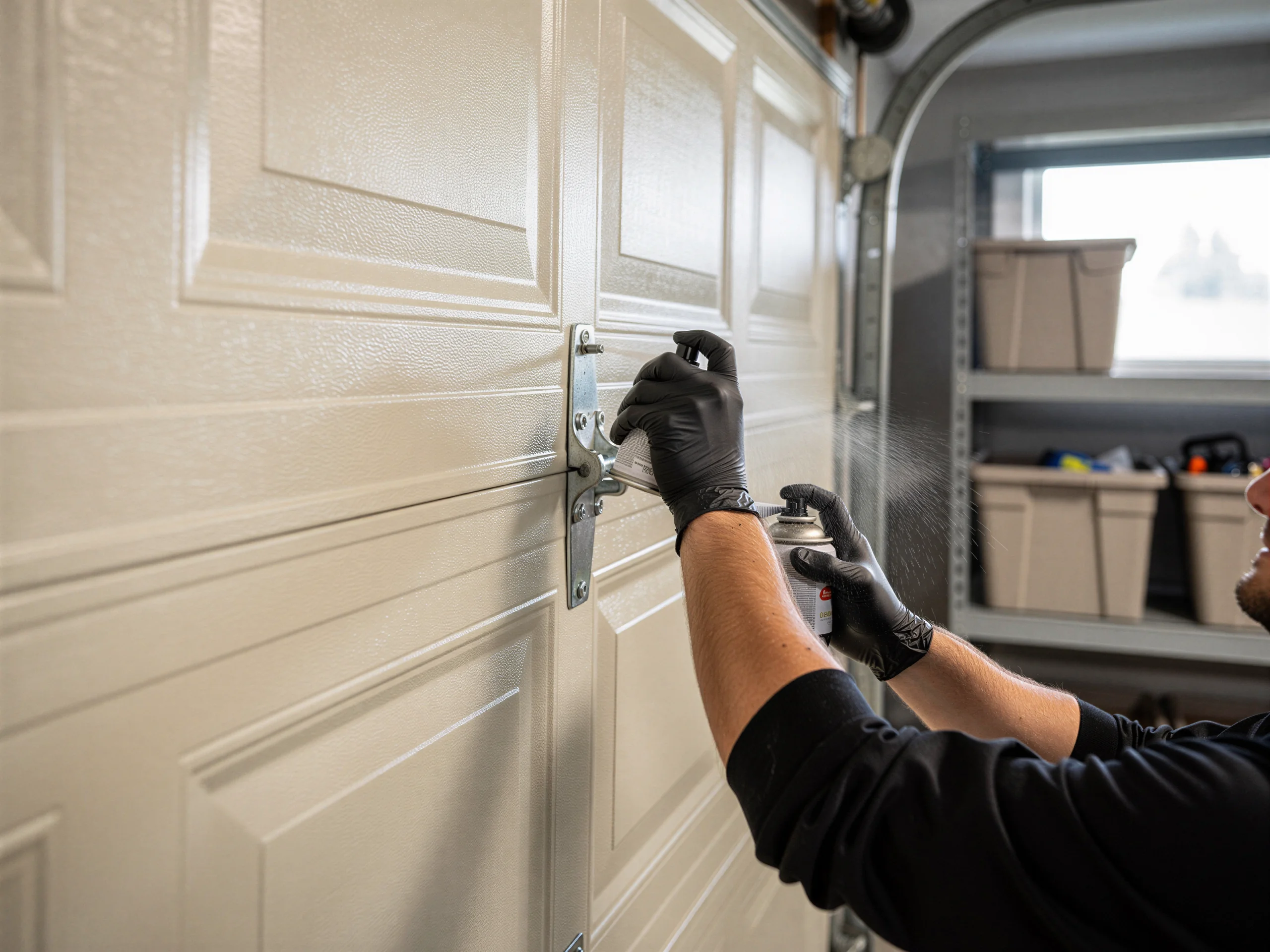
What the Repair Takes
A torsion spring repair isn't a part swap you do blind. The spring has to match the door's weight and the drum size on the shaft, which means we measure before we order anything - guessing gets you a door that slams down or won't stay up.
Winding bars, not wrenches
We unwind the old spring with winding bars, not a wrench, because a torsion spring under tension will take a hand off if it's handled wrong. Once the old spring is off, we check the cables, the bottom brackets, and the rollers, since on a house this age they've usually been turning the whole time the spring has.
Cable and bracket checks
If a cable is fraying or a bracket has worn its hole oval, that gets flagged before the new spring goes on, not after. With the new spring set, we wind it to the right number of turns for that door weight, then test the balance by hand with the opener disconnected. A door that's balanced right will hold still at waist height.
Tuning after first wind
If it drifts up or drops, the wind isn't right yet and we adjust before calling it done. One limit worth saying plainly: if the opener's drive gear or capacitor has also gone at the same time as the spring, that's a separate repair. We don't bundle a guess about the opener into a spring job - we tell you what we see and quote it straight.
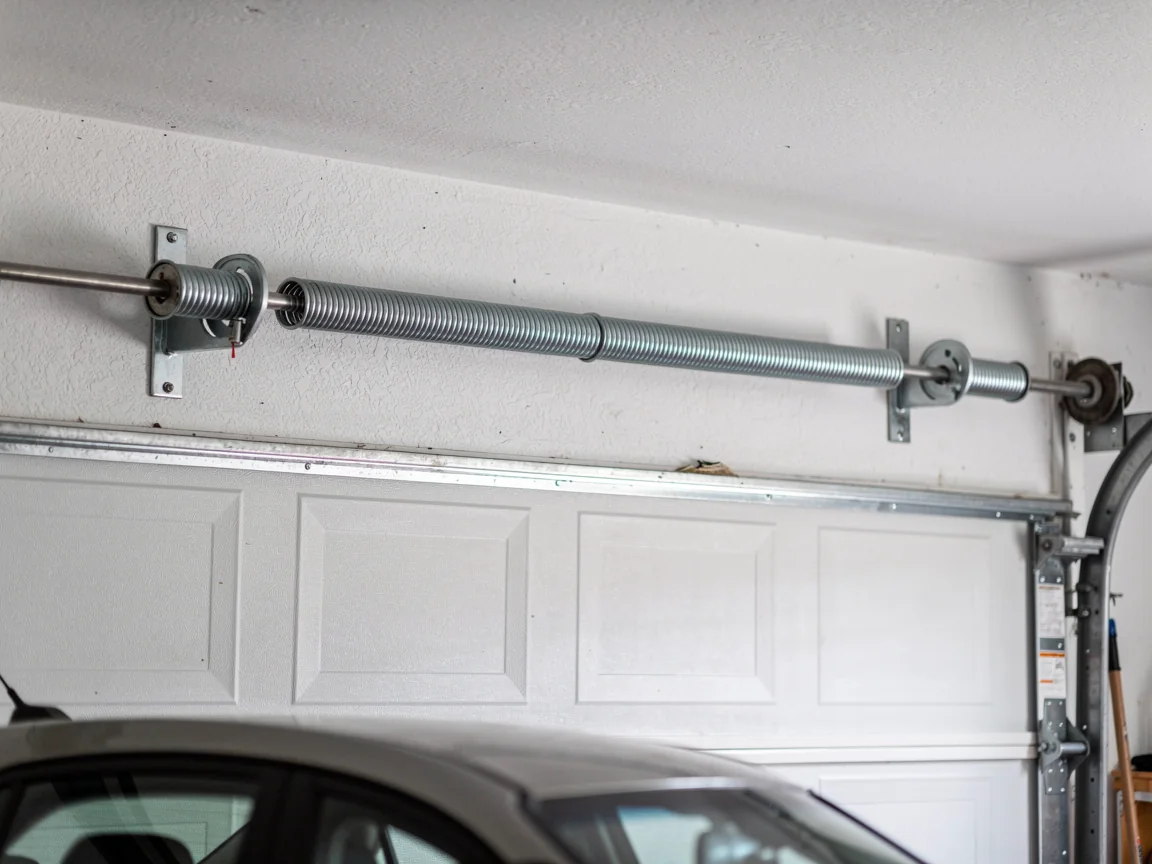
What Causes It Around Here
The housing stock through The Colony and the surrounding areas we work runs 1973 to 2014, with the median closer to 2002 - and that pattern holds across all 24 named areas, not just one subdivision. A torsion spring has a rated number of open-close cycles, and a spring installed when a house went up in the early 2000s is now two decades into a part that's typically good for seven to twelve years of normal use.
Heat plays a part too. The area sits in a moderate-heat climate band, and summer heat cycles dry out the factory grease on a spring faster than a milder climate would. Grease loss means more metal-on-metal friction every time the door runs, and that friction is what turns a slow weakening into a sudden snap.
So what we see on most spring calls isn't damage from an accident - it's a spring that was correctly sized and correctly installed in 2002 or so, and has simply worn out on schedule. That's consistent enough across the service area that when a 2000s-era house calls about a door that won't lift, spring age is usually the first thing we check.
Time on the Job
We don't quote a fixed number of minutes for a spring repair sight unseen, because the honest answer depends on what we find once the door's open - a straightforward single spring on a standard door is a different job from a double door with two springs and worn cables that need attention too.
What we can tell you is the order of work: measure and confirm the spring size, unwind and remove the old one, inspect cables and rollers while the tension is off the door, install and wind the new spring, then balance-test by hand before reconnecting the opener. Skipping the balance test is how a door ends up back on the schedule a month later for a problem that looks new but isn't.
If we find something beyond the spring itself - a bent track, a worn opener gear - we'll say so on site rather than quote a number and then surprise you with more time added later.
The Symptom
The classic sign is a door that suddenly feels twice as heavy, or won't lift past a few inches even with the opener straining. Sometimes it's a loud bang from the garage - that's usually the spring itself letting go, not the opener or the track.
Sagging, loose bottom brackets
A slower version of the same problem looks like a door that sags to one side when it's partway open, or cables that look visibly loose at the bottom bracket.
Unbalanced door strains gears
If you notice the door is unbalanced on one side more than the other, don't force it with the opener - running a door on a failing spring puts the strain onto the opener's gears, and that's a second repair stacked on top of the first.
Hum without movement
If the door won't move at all and the opener motor just hums, that's consistent with a broken torsion spring taking the full weight off the opener's shoulders. At that point the safest move is to leave the door alone and get it looked at rather than keep hitting the button.
Questions
Common questions
How do I know it's the spring and not the opener?
If the door feels heavy, won't lift more than a few inches, or you heard a bang from the garage, that points to the spring. If the opener runs but the door doesn't move at all, the spring is usually carrying none of the door's weight anymore. Either way, stop trying to open it with the button until it's checked.
Why did my spring fail if the house isn't that old?
Most houses in The Colony and the surrounding area went up between 1973 and 2014, with a lot of that stock dating to around 2002. A torsion spring from that era has been cycling for close to twenty years, which is past the point most springs are rated for, even without damage.
Can I just replace one spring on a double-spring door?
You can, but we usually recommend replacing both if they're the same age, since the second one is close behind the first and running mismatched springs puts uneven strain on the door. We'll tell you what we see on your door rather than push a default answer.
Does the summer heat make this worse?
It's a factor. The area sits in a moderate-heat climate band, and repeated heat cycles through the summer dry out the grease inside a torsion spring faster than it would in a cooler climate, which speeds up the wear that eventually leads to a snap.
Explore more
Explore More Services In The Colony, TX
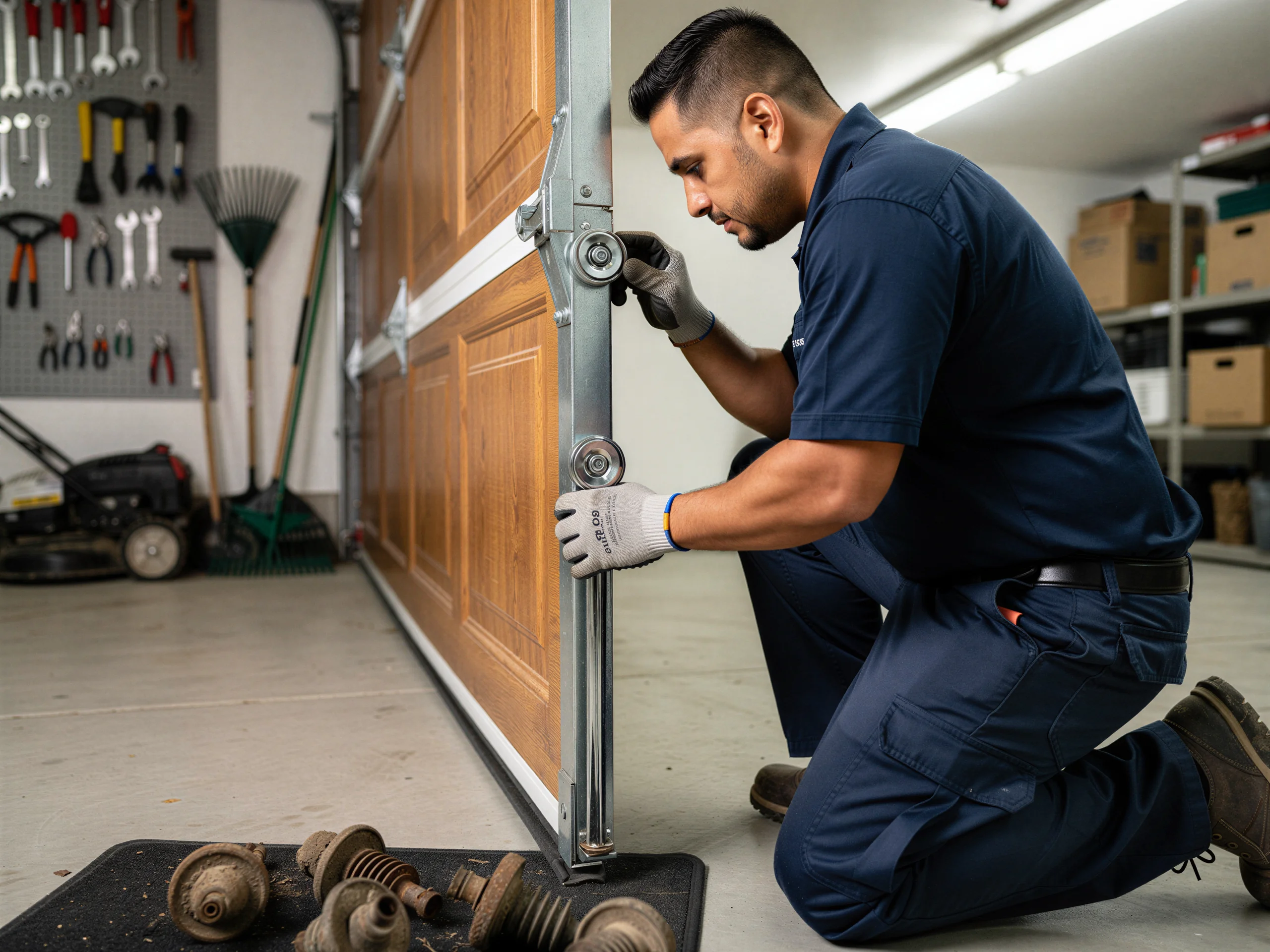
When the Rollers Go, the Whole Door Lets You Know
Garage door rollers wearing out in The Colony, TX? Learn more →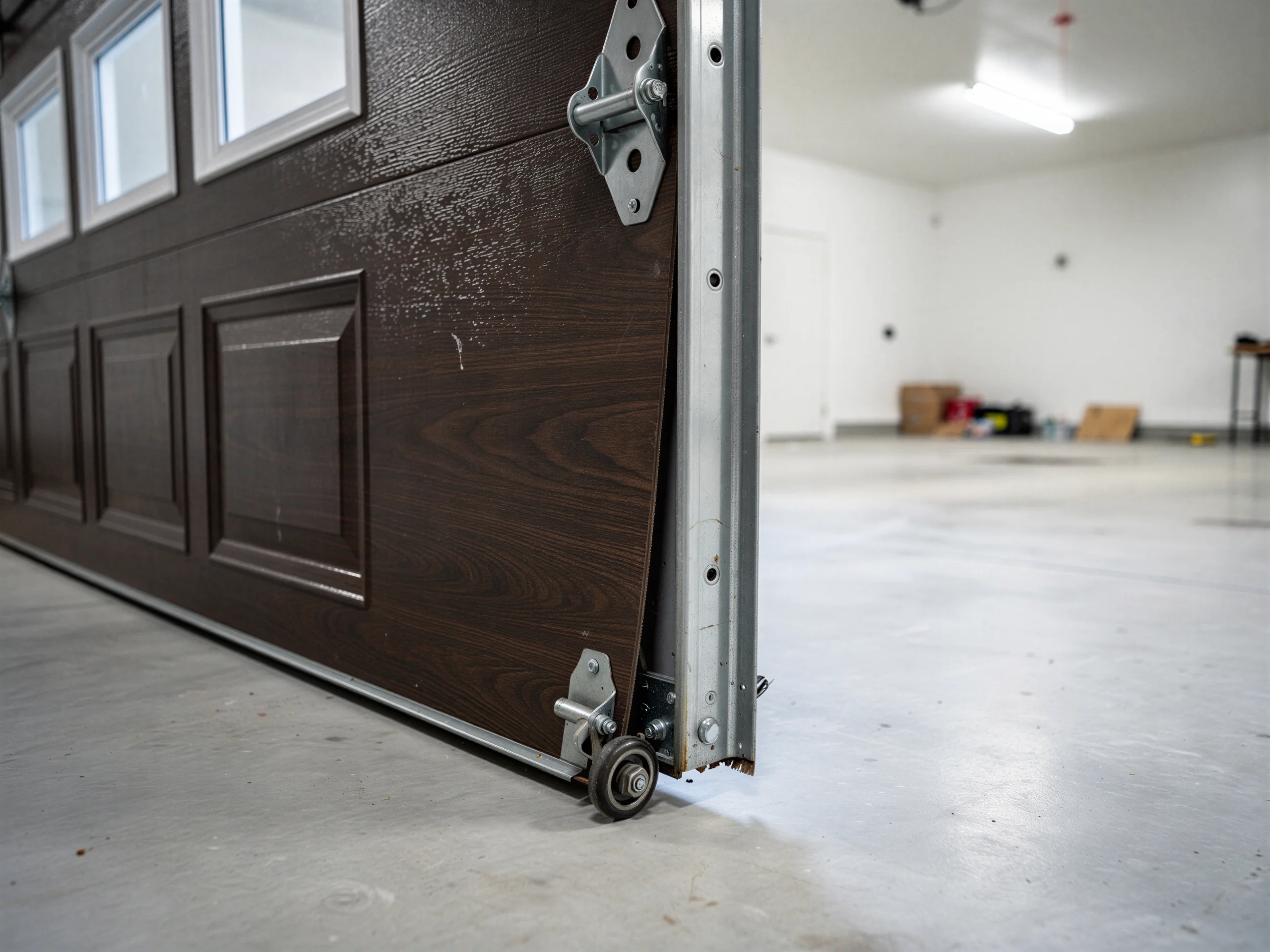
Garage Door Off Track: What's Actually Going On
Off-track garage doors are common in this area's 2000s-era housing stock. Learn more →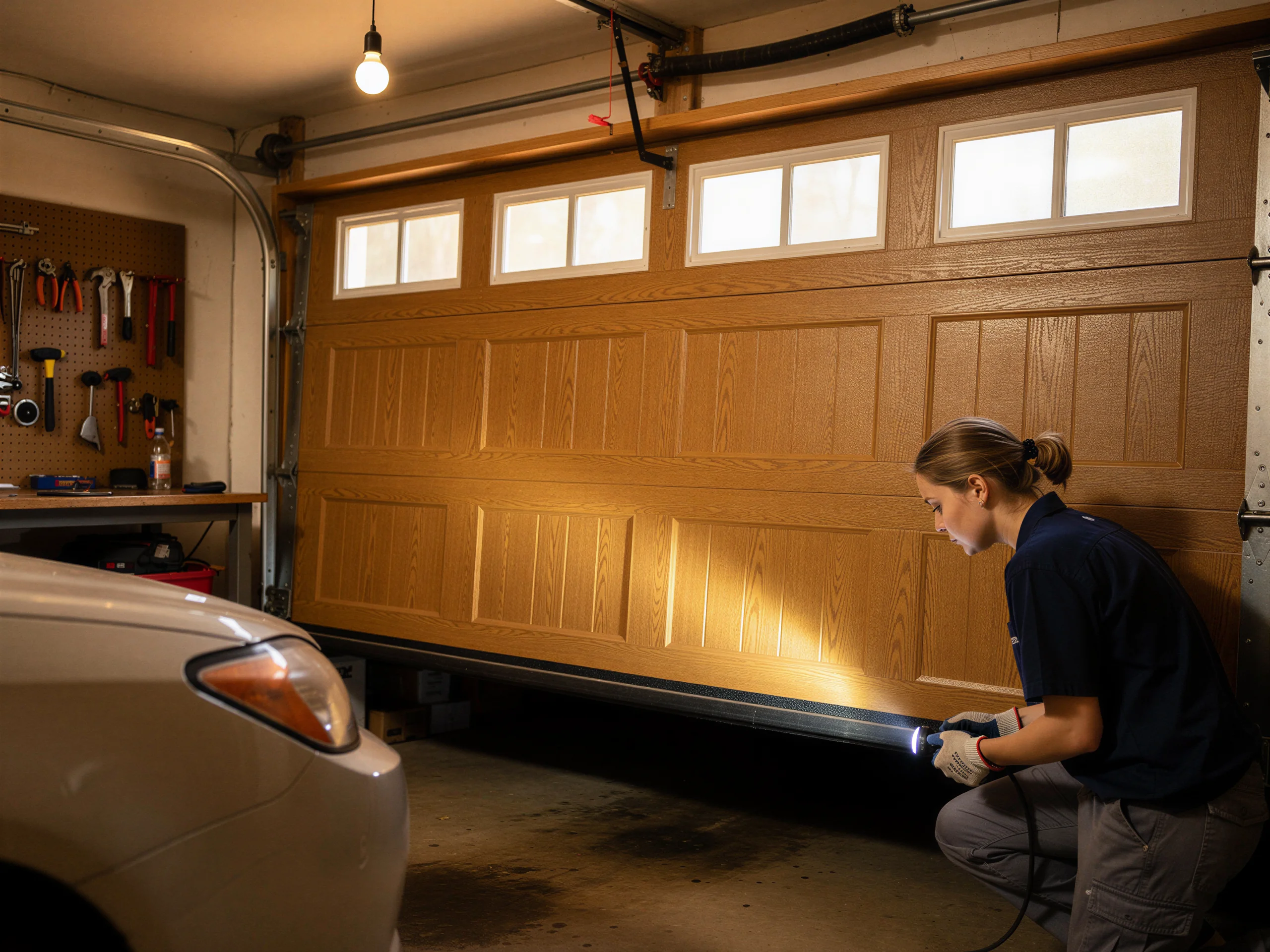
Garage Door Repair for The Colony Homes Built in the 2000s Boom
Most homes in The Colony went up between 1973 and 2014, median year 2002 - which means original torsion springs and builder-grade openers are reaching the end of their rated cycles now. Learn more →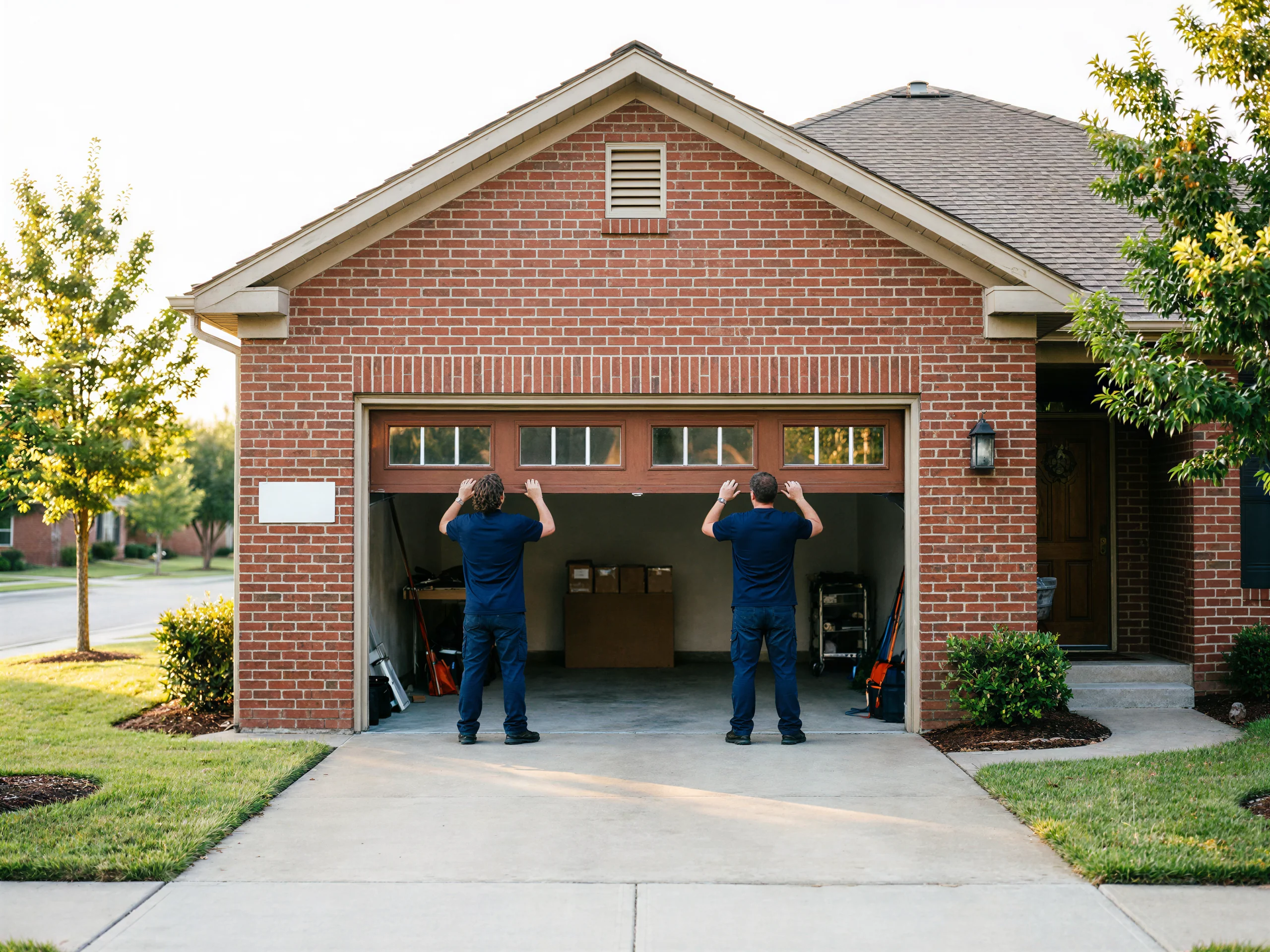
Garage Door Installation Built for The Colony's Housing Stock
Most homes in The Colony went up between 1973 and 2014, so door sizes, track styles, and opener mounts vary block to block. Learn more →
Garage Door Panel Replacement, The Colony TX
Dented or cracked garage door panel in The Colony? Learn more →
Garage Door Maintenance Built for The Colony's Housing Stock
Garage door maintenance for The Colony's 2000s-era homes: spring tension, roller wear, and hardware checks suited to the area's housing age and heat cycles. Learn more →Ready when you are
Need garage door service in The Colony?
The Colony Garage Door Pros repairs and installs garage doors, springs and openers in The Colony, TX and the surrounding area.