
Trophy Club, The Colony
Garage Door Service for Trophy Club's 2000s-Era Homes
Trophy Club homes went up mostly after 2000, which means specific opener and spring hardware. The Colony Garage Door Pros carries the parts for that era on every truck.
Getting It Booked In
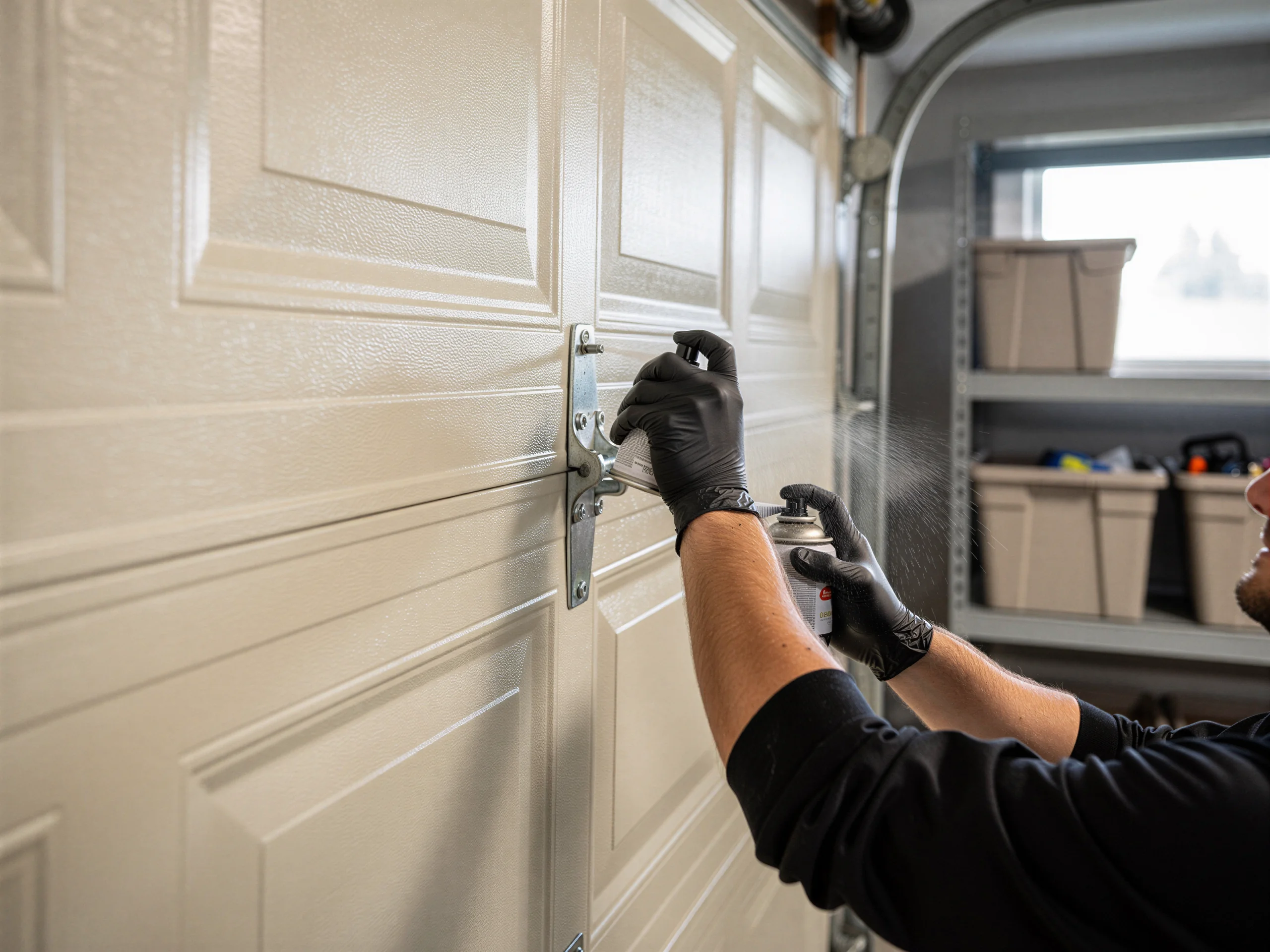
Trophy Club sits about 17 miles from our shop in The Colony, and we build that distance into how we load the truck before we ever leave, not into a promise about how fast we'll pull up. When you call, we ask for the door's age and whether it's making noise, binding, or not moving at all. Most homes here were built around 2000, give or take a few years on either side, so a lot of the diagnosis happens before the truck is loaded - we already have a good guess at what spring size and opener mount we're dealing with. That's the advantage of a town with a tight building era: fewer surprises, faster first-visit fixes. We still ask you to clear the driveway and, if you can, snap a photo of the springs above the door. It saves a trip back to the truck once we're on site.
What Is on the Truck
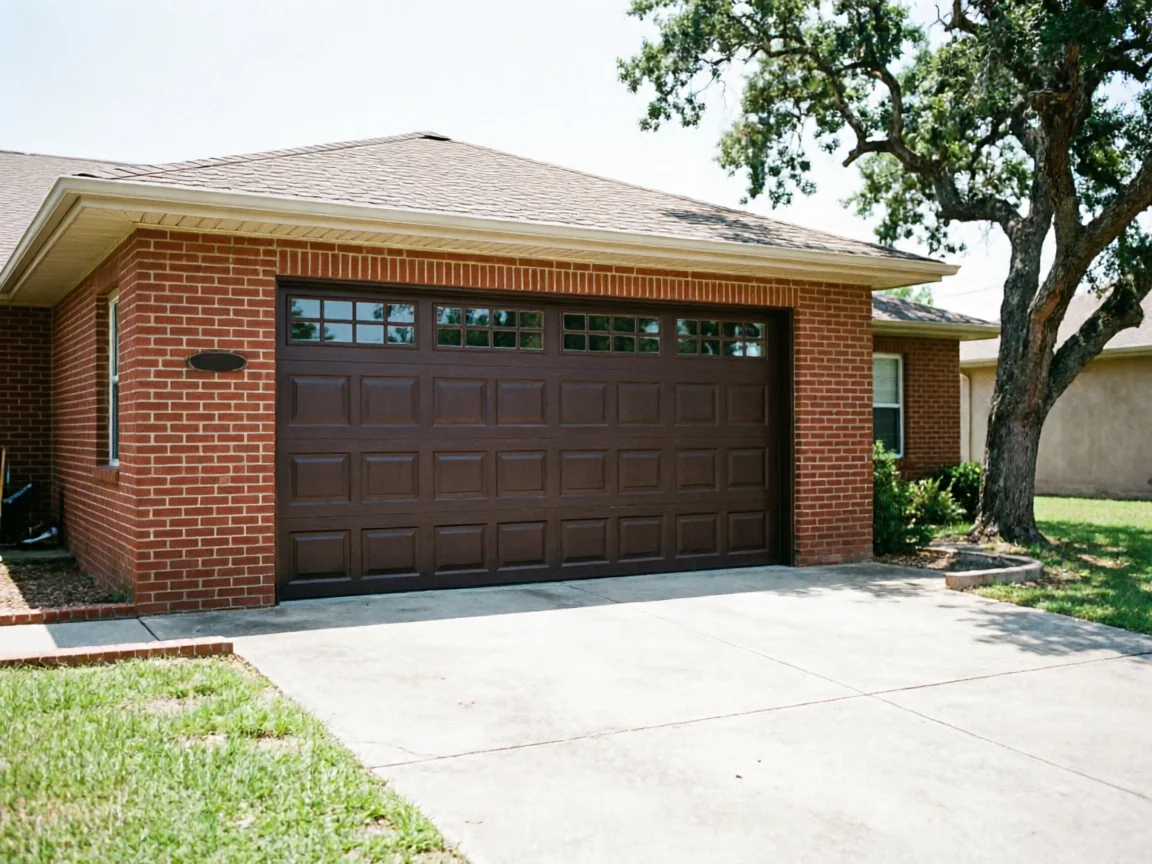
Homes built around 2000 in this area almost always shipped with torsion springs mounted on a center shaft above the door, not the older side-mounted extension springs you'd find on a house from the 1970s.
Common door-size spring stock
We stock torsion springs in the sizes that match standard 7-foot and 8-foot double doors from that build era, along with the steel-and-nylon rollers that were typical on production-built garages of the time.
Logic boards kept on hand
Openers from this period are usually chain or belt drive, 1/2 horsepower, with the circuit boards and logic units that still take a standard replacement part rather than something obsolete. We carry those boards.
Older hardware needs ordering
What we don't carry is parts for doors older than what this area has - if a home here somehow has original 1970s hardware, that's a special-order wait, not a same-visit fix.
Time on the Job
A straightforward torsion spring swap on a door built to 2000s-era standard sizing runs the length you'd expect for that hardware - we size the spring to the door's weight and cycle count, not to the house. Opener work takes longer if the unit's logic board has failed rather than just a sensor or remote, since diagnosing a dead board properly takes more time than swapping it. Nothing about Trophy Club itself speeds this up or slows it down; what matters is how long that specific door and opener have been in service and whether the original hardware is still on it. A door that's had regular lubrication and balance checks since 2000 moves faster through a repair than one that's been ignored.
What Can Go Wrong
With a housing stock this consistent in age, the failures cluster too. Torsion springs on doors installed in the early 2000s are now old enough that fatigue failure is common - springs are rated by cycle count, not years, but a spring installed in 2000 has likely hit or passed its rated cycles by now.
Brittle rollers grind first
Nylon rollers from that same era get brittle and crack, which shows up as a grinding sound rather than a sudden stop. Opener logic boards from the early 2000s generation are also reaching the end of their expected service life, and when they go, the symptom often looks electrical - a door that won't respond to the remote - when the real cause is the board, not the motor.
Sun dries weatherstripping
The area's moderate heat band doesn't stress doors the way a harsher climate would, but direct summer sun on a south-facing door can still dry out weatherstripping and bottom seals faster than the shaded side of the same house.
Can You Do This Yourself
Lubricating hinges and rollers, tightening loose bolts, and clearing the photo-eye sensors of dust are all fine to do yourself, and doing them regularly is probably the single best thing an owner can do for a door built in this era. Torsion spring replacement is not something to take on without the right winding bars and a clear idea of the spring's wind direction - the forces involved are enough to cause real injury, and we see houses in this area where a rushed DIY spring swap turned a one-part fix into a full track replacement. If your opener logic board is the problem, swapping it yourself is possible if you can source the exact model, but matching it to a 2000s-era chain or belt unit is where people often buy the wrong part.
What the Repair Takes
For a door built in Trophy Club's typical window - right around 2000 - a repair usually means matching torsion spring wire gauge and inside diameter to the door's actual weight, not just grabbing a generic size.
Hidden track bends
We also check the track alignment, since 20-plus years of use on original hardware tends to leave tracks slightly bent even if the door still looks like it's running fine.
Original opener at end-life
If the opener is original to the house, we're usually looking at a board or motor that's reached the end of a long service run rather than a fixable sensor issue.
Replace versus keep patching
We'll tell you straight if replacement makes more sense than another repair - a door and opener both pushing a couple of decades old sometimes costs more to keep patching than to replace outright. See our main page for the full rundown on how we handle that call: /garage-door-service-the-colony-tx.
Questions
Common questions
Do you have a shop in Trophy Club?
No. We're based in The Colony, about 17 miles out, and we bring the truck to you. We don't operate a branch or drop-off location in Trophy Club itself, but we carry the parts for this area's typical 2000s-era doors on every service run.
Why does the age of my house matter for a garage door repair?
Hardware changed over the decades. A house built around 2000, which is typical for Trophy Club, almost always has torsion springs and a chain or belt-drive opener. Knowing the build era lets us bring the right spring size and opener parts the first time instead of guessing.
Is my original spring from 2000 still safe to use?
Torsion springs are rated by cycle count, not calendar years, but a spring installed around 2000 has likely gone through most or all of its rated cycles by now. If it's original to the house, it's worth having it checked rather than waiting for it to snap.
Can I replace the opener logic board myself?
It's possible if you can match the exact model to your existing chain or belt-drive unit, which is common on Trophy Club homes from this era. The trouble is sourcing the right part - a mismatched board won't communicate properly with the motor.
Explore more
More Services in Trophy Club
Garage Door Repair
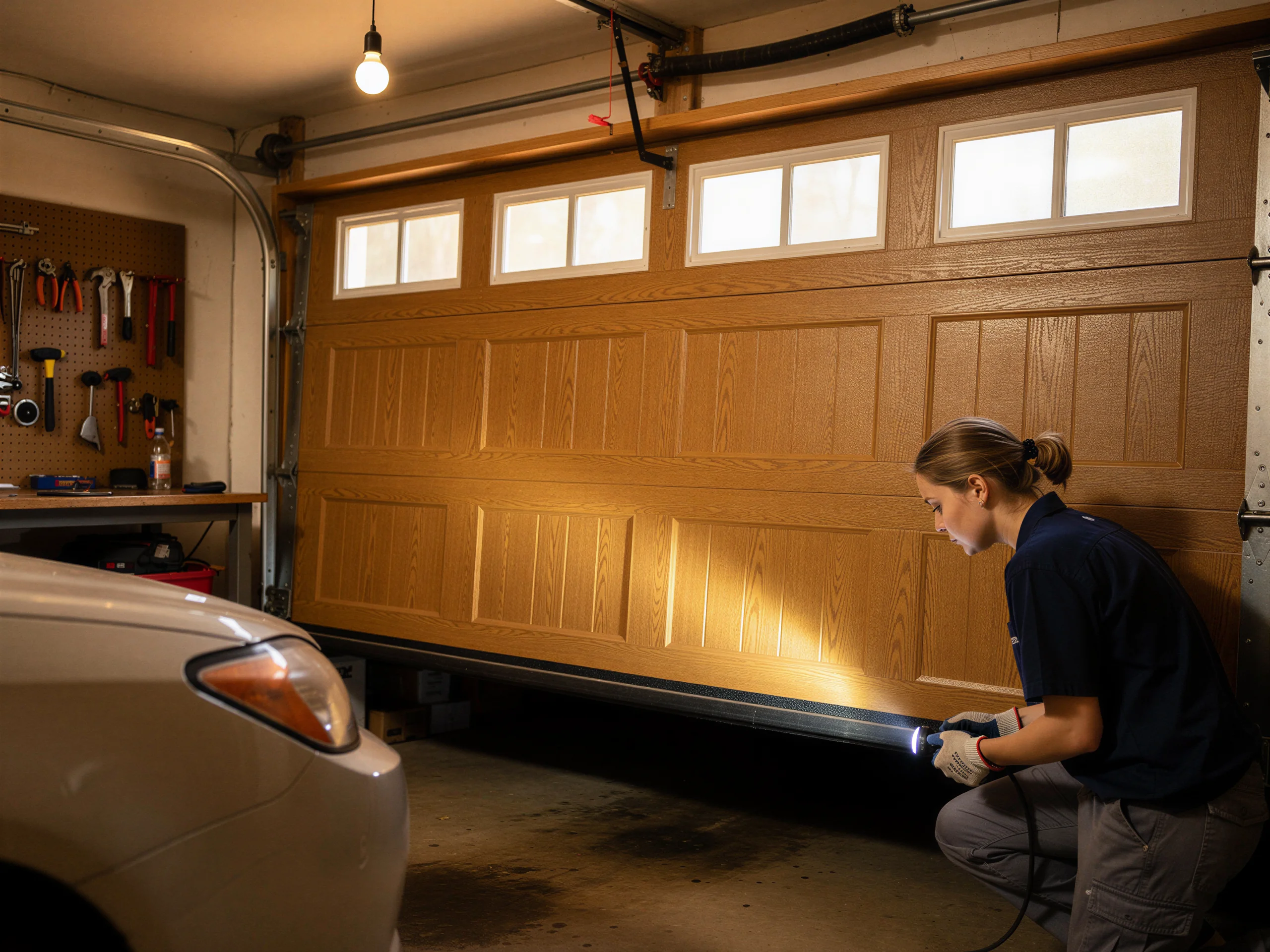
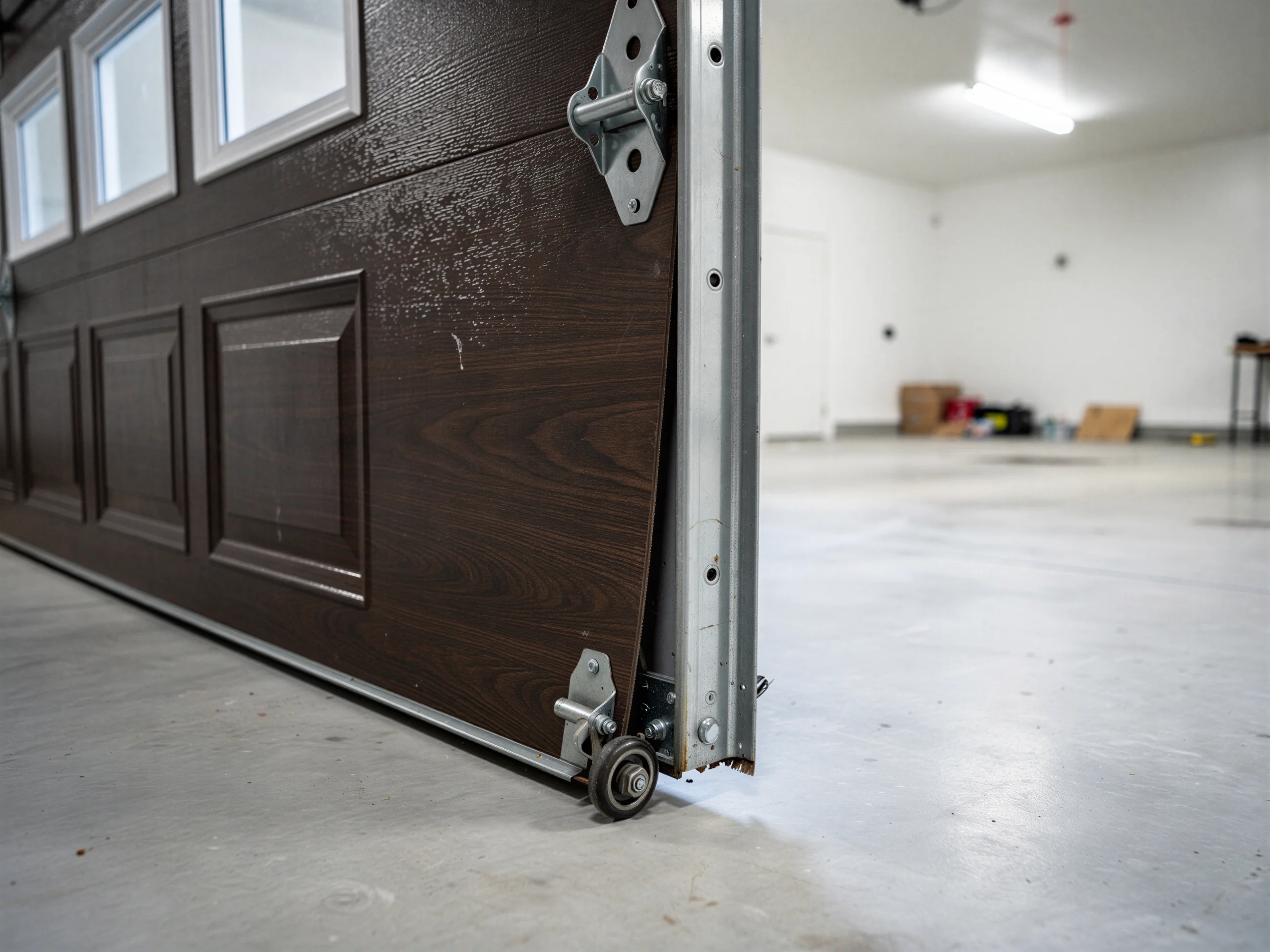
Trophy Club homes went up mostly around 2000, which means builder-grade steel doors on first-generation openers. Learn more →
Opener Repair
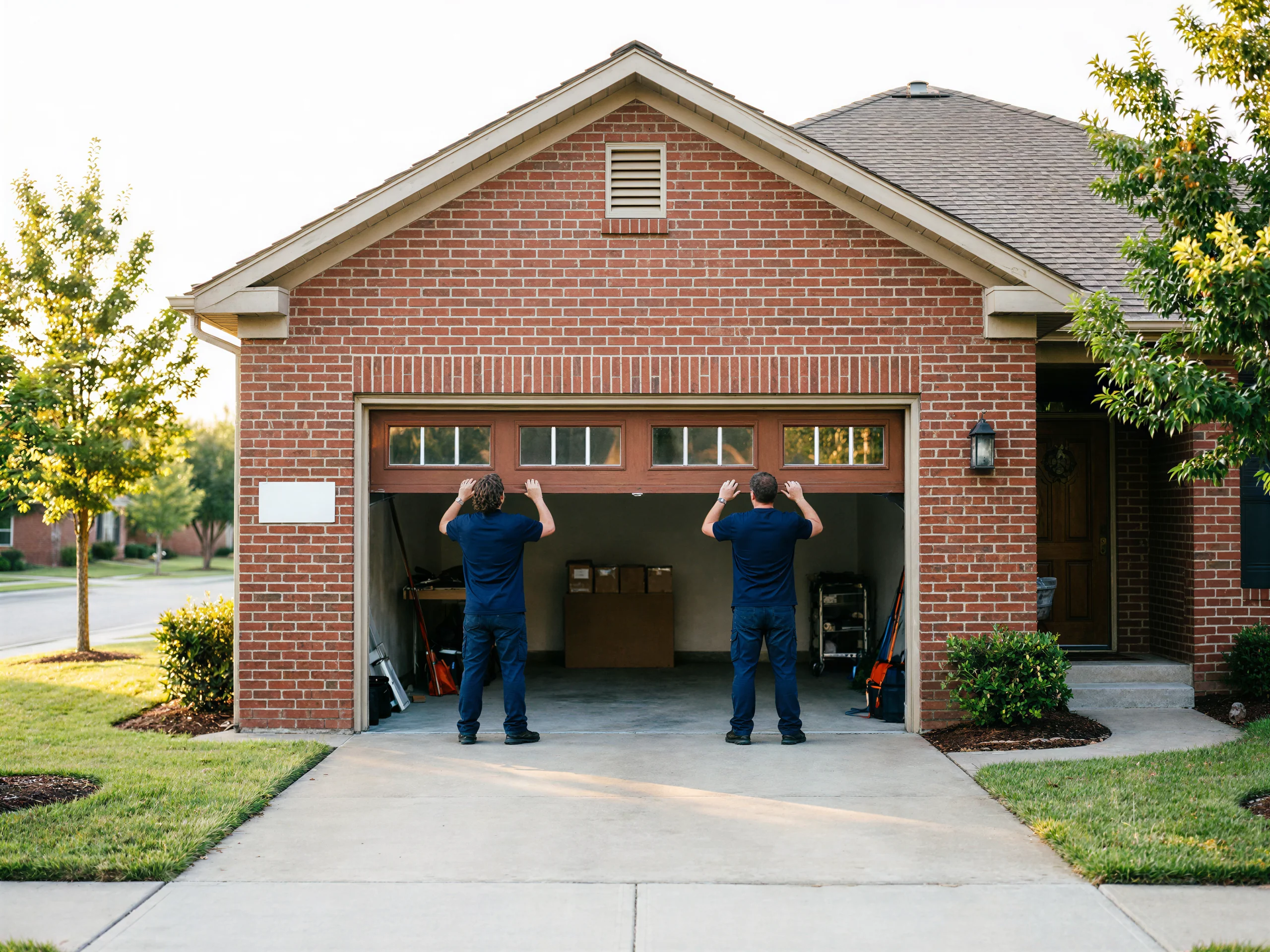
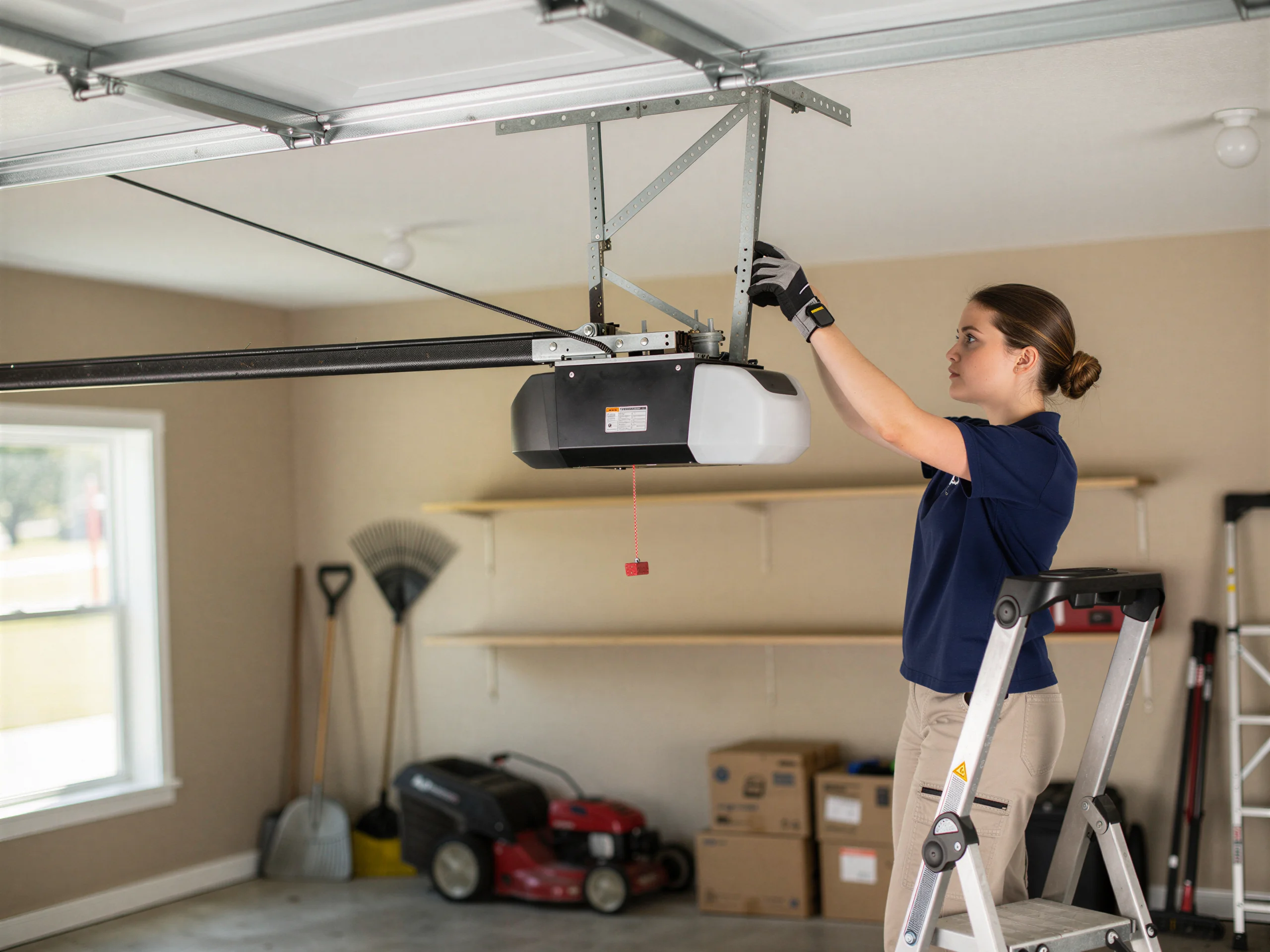
Garage door opener repair for Trophy Club, TX, where homes date to around 2000. Learn more →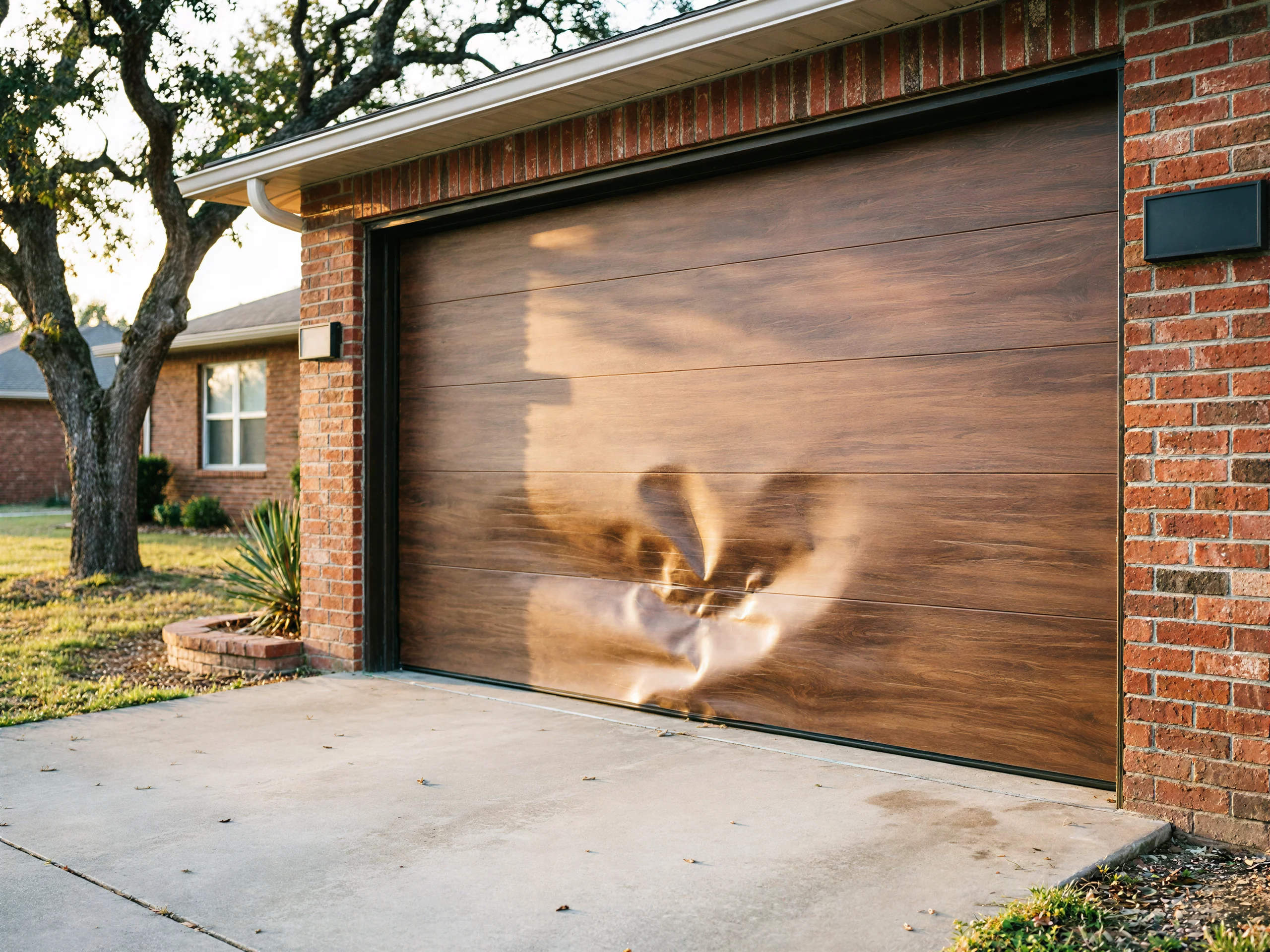
Panel Replacement
Panel replacement for Trophy Club homes built mostly after 2000: matching steel sections on doors that are rarely original anymore but still standard-size. Learn more →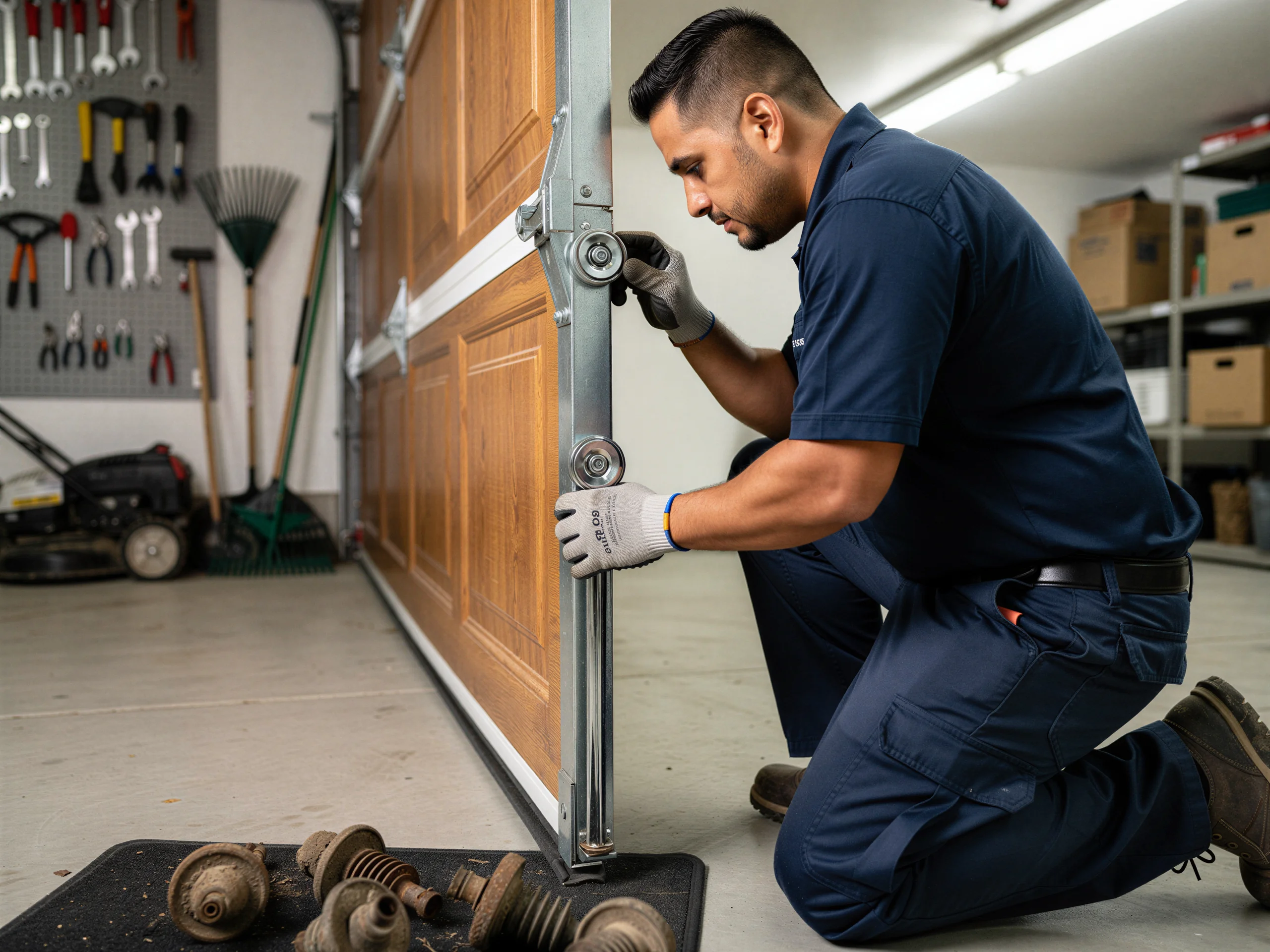
Roller Replacement
Trophy Club homes built around 2000 are now old enough that original steel rollers are wearing out. Learn more →Ready when you are
Need garage door service in Trophy Club?
The Colony Garage Door Pros repairs and installs garage doors, springs and openers in The Colony, TX and the surrounding area.