
Trophy Club, The Colony
Garage Door Maintenance for Trophy Club Homes
Trophy Club runs about 4,784 households built mostly around 2000. We drive 17 miles from The Colony to keep those two-decade-old doors tuned before a spring or cable lets go.
Getting It Booked In
Trophy Club is a small town by the numbers - about 4,784 households, a fraction of the 82,997 across the whole area we cover out of The Colony.
Batched dedicated trip
That matters for how maintenance gets scheduled here: we're not running multiple trucks through a dense grid, we're making a dedicated 17-mile trip out from the shop. We still do the work the same way, but we batch Trophy Club calls when we can, so tell us up front if your neighbor is also due for a tune-up.
Prevention over emergency calls
The homes in this town skew newer and the household income here runs well above the area median, which tends to mean owners catch small noises before they become stuck doors. That's good - maintenance works best as prevention, not emergency repair.
Confirm day already routed
Booking is simple: describe what the door is doing (or not doing), and we'll confirm a day we're already routing toward Trophy Club rather than making a special trip just for one door.
What Is on the Truck
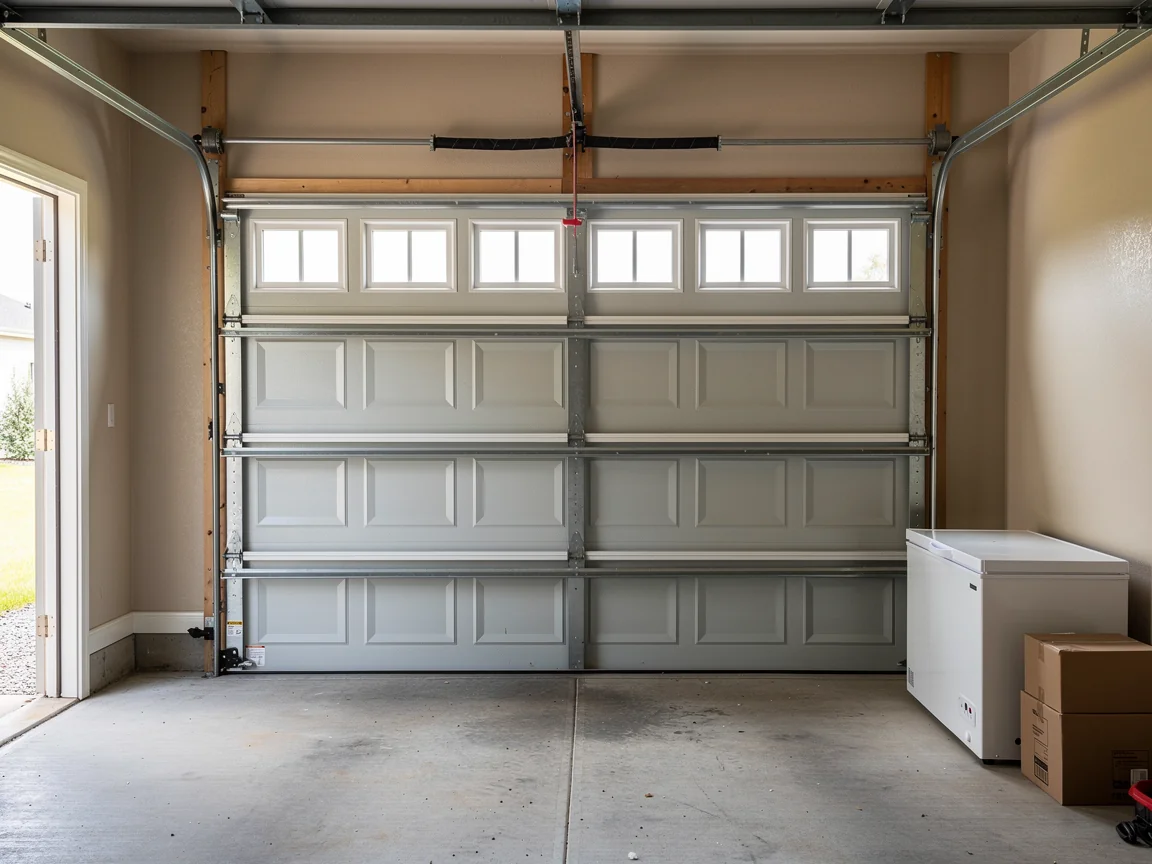
For a town built mostly right around 2000, the maintenance kit doesn't need much in the way of obsolete parts - Trophy Club's housing stock is young enough that most doors are still on their original torsion springs, sectional steel panels, and factory openers.
Standard-duty spring sizes
We carry standard-duty springs sized for typical double and single residential doors, rollers, hinges, and lubricant rated for the moderate heat this part of Texas sees through the summer.
Oddball hardware not carried
What we don't carry on every run is the oddball hardware older housing stock needs - side-mount torsion setups, obsolete track widths, that kind of thing. Trophy Club mostly doesn't need it, which keeps a routine visit quick.
Come back with part
If a door here does turn out to need a part we don't have on the truck that day, we'll say so and come back rather than guess at a substitute that won't fit right.
Time on the Job
A standard maintenance visit on a 2000-era door runs faster than on an older one, because the hardware is consistent and the track geometry hasn't been bent or shimmed over decades of small fixes. Expect inspection of the springs, cables, rollers, hinges, and opener force settings, plus lubrication and a balance check. We don't post a fixed number of minutes here, because a door that's been ignored for years takes longer than one that's been serviced on a normal interval - and income levels in Trophy Club suggest more owners fall into the second group. The honest limitation: if we open up a door expecting a tune-up and find a cable fraying or a panel starting to rust from the inside, that visit turns into a repair conversation on the spot, and the clock resets.
What Can Go Wrong
Doors from the early 2000s hit a predictable wear point right about now - springs rated for roughly 10,000 cycles are reaching the end of that count in houses that have been opening and closing a garage door twice a day for over two decades.
Expected failures by era
That's the main failure we expect to see across Trophy Club's housing stock, which lines up with the area-wide pattern of homes built between 1973 and 2014. Openers from that era are also starting to show their age: drive gears wear out, logic boards get flaky, and safety sensors drift out of alignment.
Ordinary wear for age
Texas heat doesn't help plastic opener housings or rubber weatherstripping, though the climate here sits in the moderate band rather than the extreme end of the state. None of this is unusual for a town this age - it's just the stage this housing stock is at.
Can You Do This Yourself
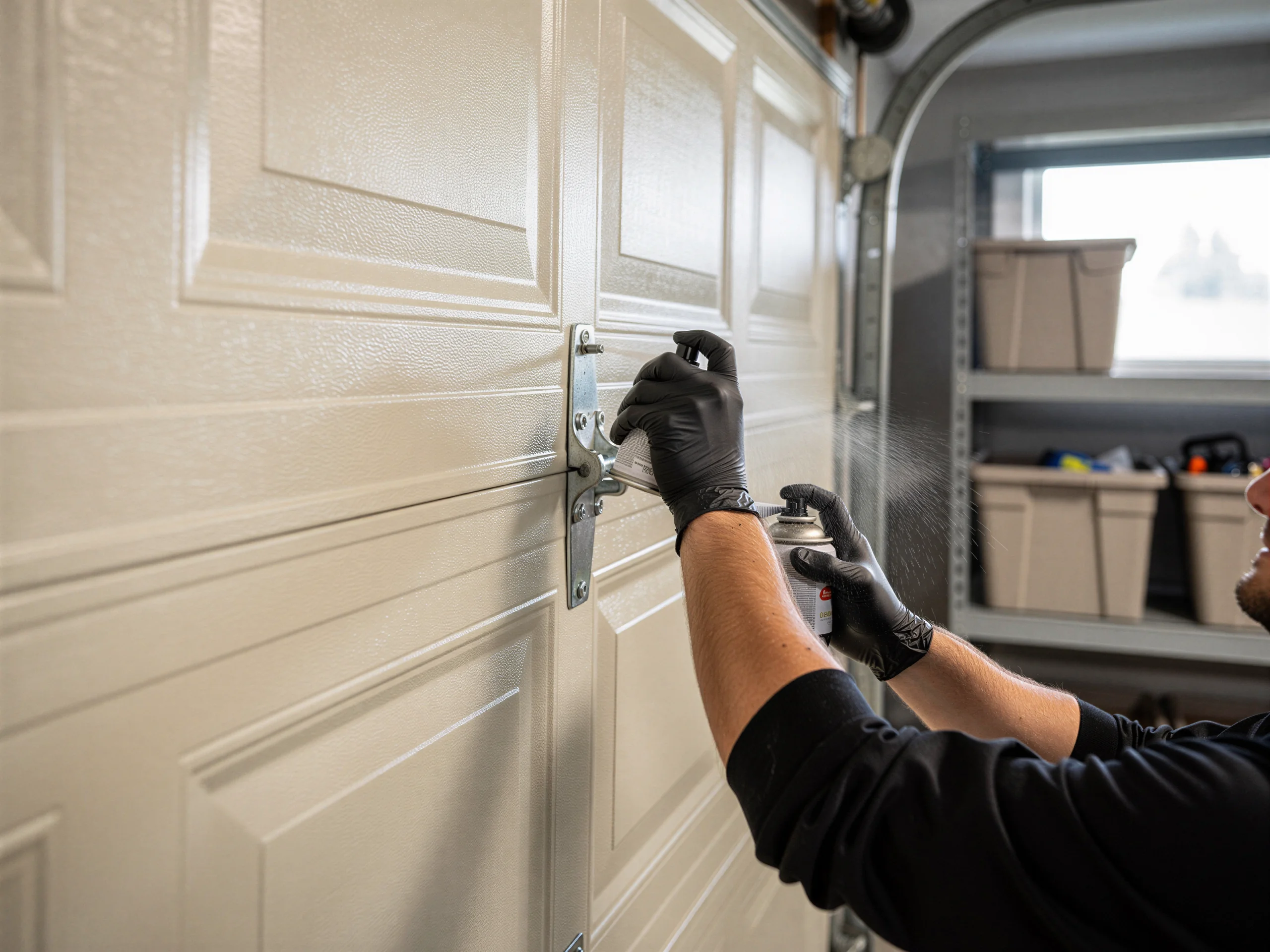
Some of it, yes. Wiping down and lubricating rollers and hinges, checking that the bottom seal isn't cracked, and testing the auto-reverse safety feature are all reasonable for an owner to handle. What we don't recommend doing yourself is anything involving the torsion spring - the kind of spring most Trophy Club doors from this era still have - because it's under enough tension to cause a serious injury if it lets go while you're working on it. Same goes for adjusting opener force settings past the basic dial; get that wrong and the door can close with enough force to not stop on something it should. If a door is sticking, scraping, or slow to respond, that's worth a call rather than a guess, especially once a door's been in service for 20-plus years.
What the Repair Takes
If maintenance turns up a worn spring or a failing opener on a door built around 2000, the repair itself is usually straightforward - standard parts, no hunting for discontinued hardware. The harder call is sometimes whether to repair or replace. A 20-plus-year-old door with one failed spring is almost always worth fixing. A door with a cracked panel, a worn-out opener, and a spring problem all at once is a different conversation, and we'll tell you that honestly rather than running up a repair bill on a door that's better off replaced. We travel from The Colony for Trophy Club jobs, so we plan the repair for the same trip as the diagnosis whenever the part is one we're already carrying.
Questions
Common questions
How far out is Trophy Club from your shop?
About 17 miles from The Colony. We don't keep a branch or crew stationed in Trophy Club - every job is a dedicated trip out, which is why it helps to describe the problem clearly when you call so we bring the right parts the first time.
Are Trophy Club garage doors older or newer than average?
Newer, if anything. Most homes here went up around 2000, which lines up with the broader area's housing built mostly between 1973 and 2014. That means original torsion springs and factory openers reaching the end of their expected life rather than decades-old hardware.
Do you carry parts for older torsion setups in Trophy Club?
Not as standard stock, because most doors in this town don't need them. The housing here is young enough that side-mount or obsolete track hardware is rare. If a specific door does need something unusual, we'll say so rather than force a wrong-size part.
Is maintenance worth it on a door built around 2000?
Yes, especially now. Springs rated for a set number of cycles are reaching that limit on doors this age, and catching a worn spring or cable in a maintenance visit is cheaper and safer than waiting for it to fail.
Explore more
More Services in Trophy Club
Garage Door Repair
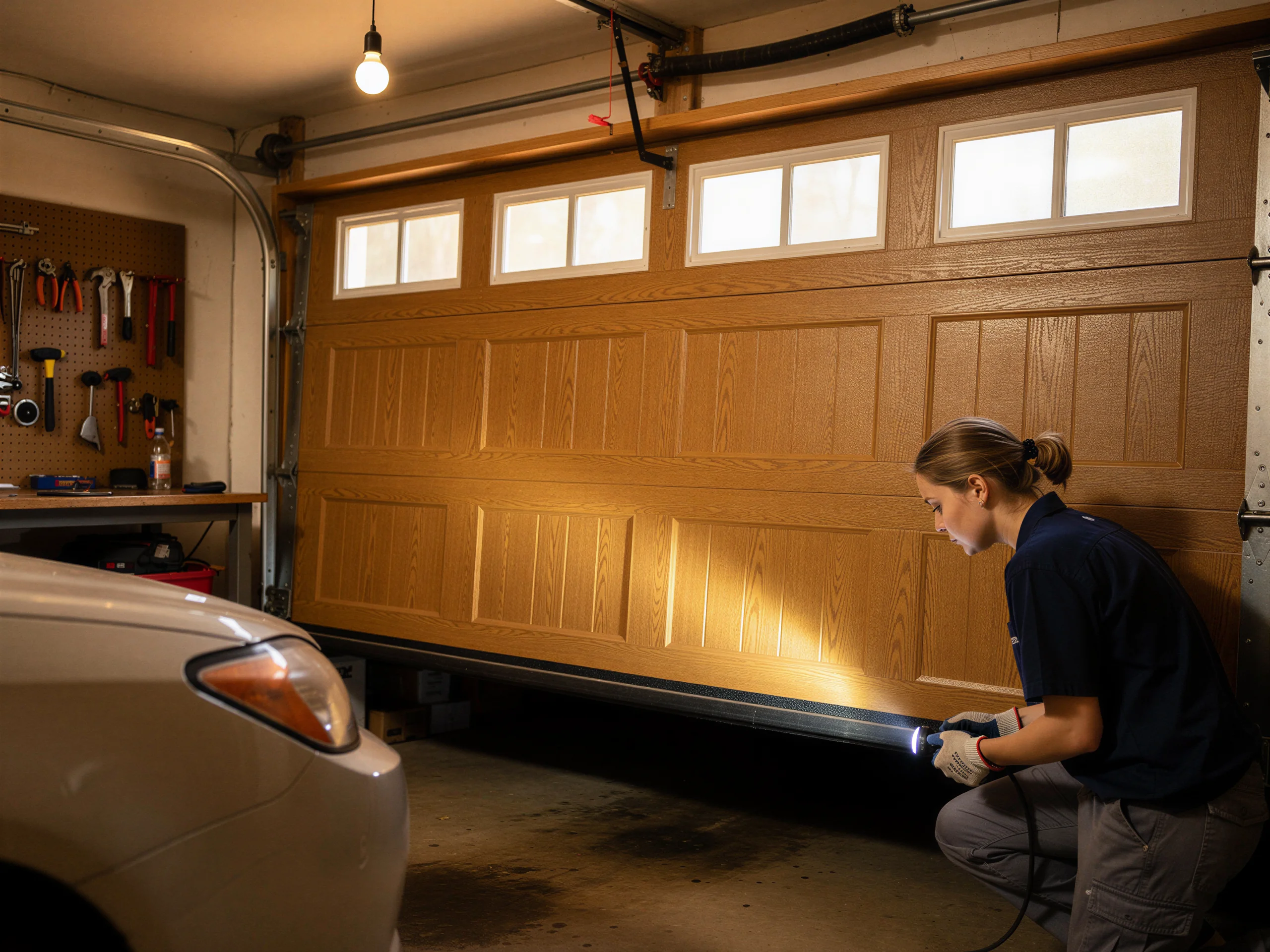
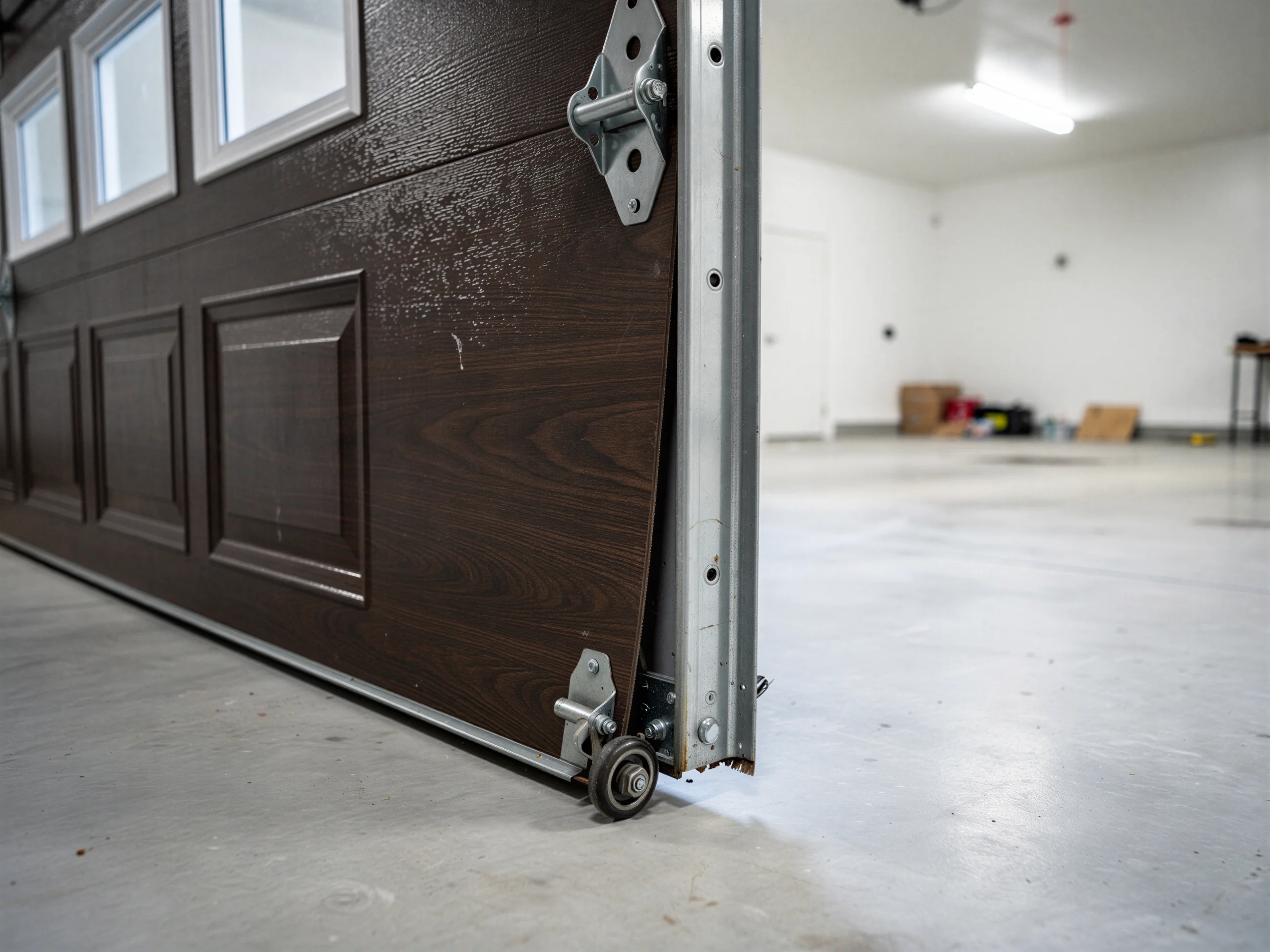
Trophy Club homes went up mostly around 2000, which means builder-grade steel doors on first-generation openers. Learn more →
Garage Door Service
Trophy Club homes went up mostly after 2000, which means specific opener and spring hardware. Learn more →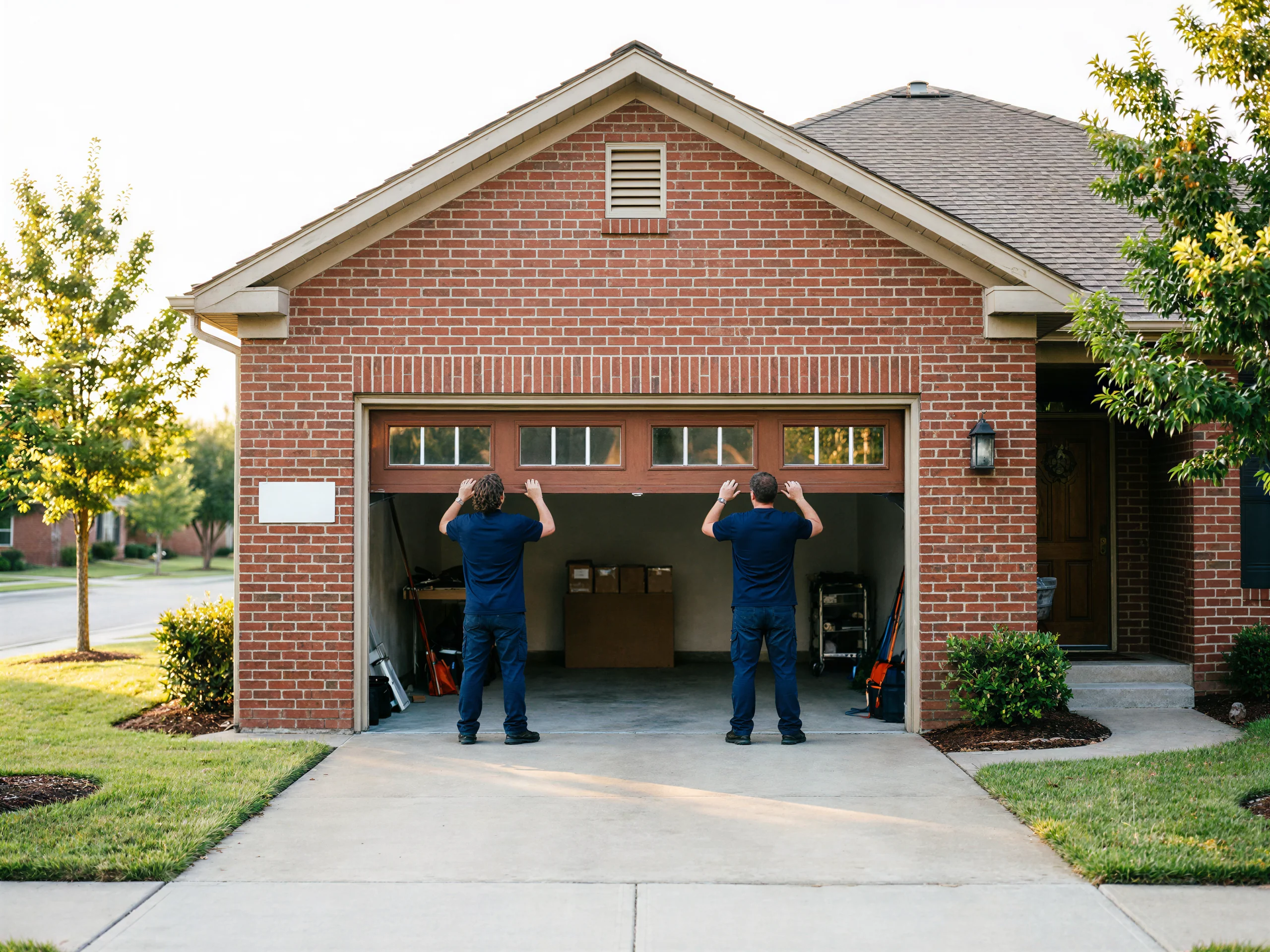
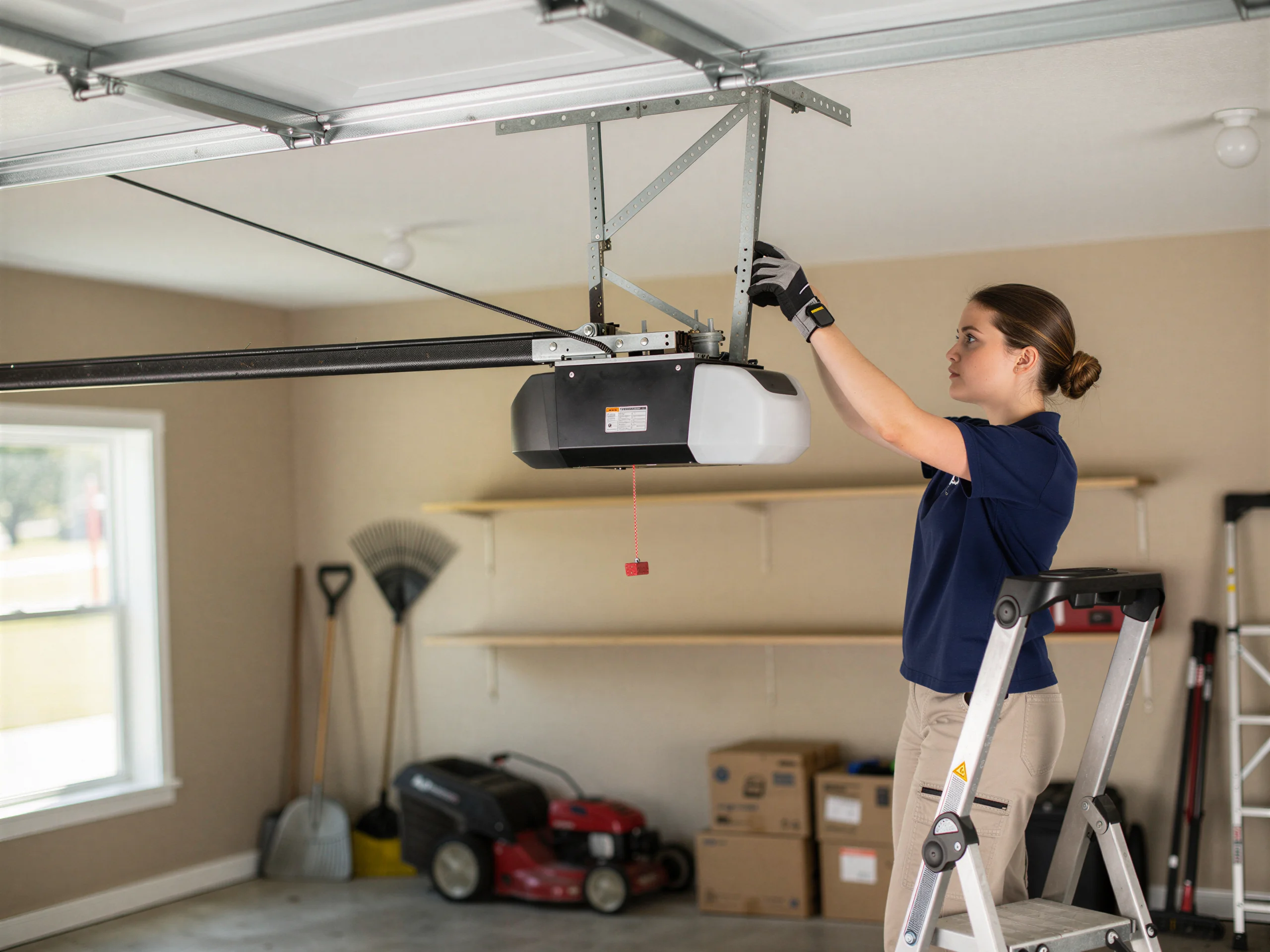
Opener Repair
Garage door opener repair for Trophy Club, TX, where homes date to around 2000. Learn more →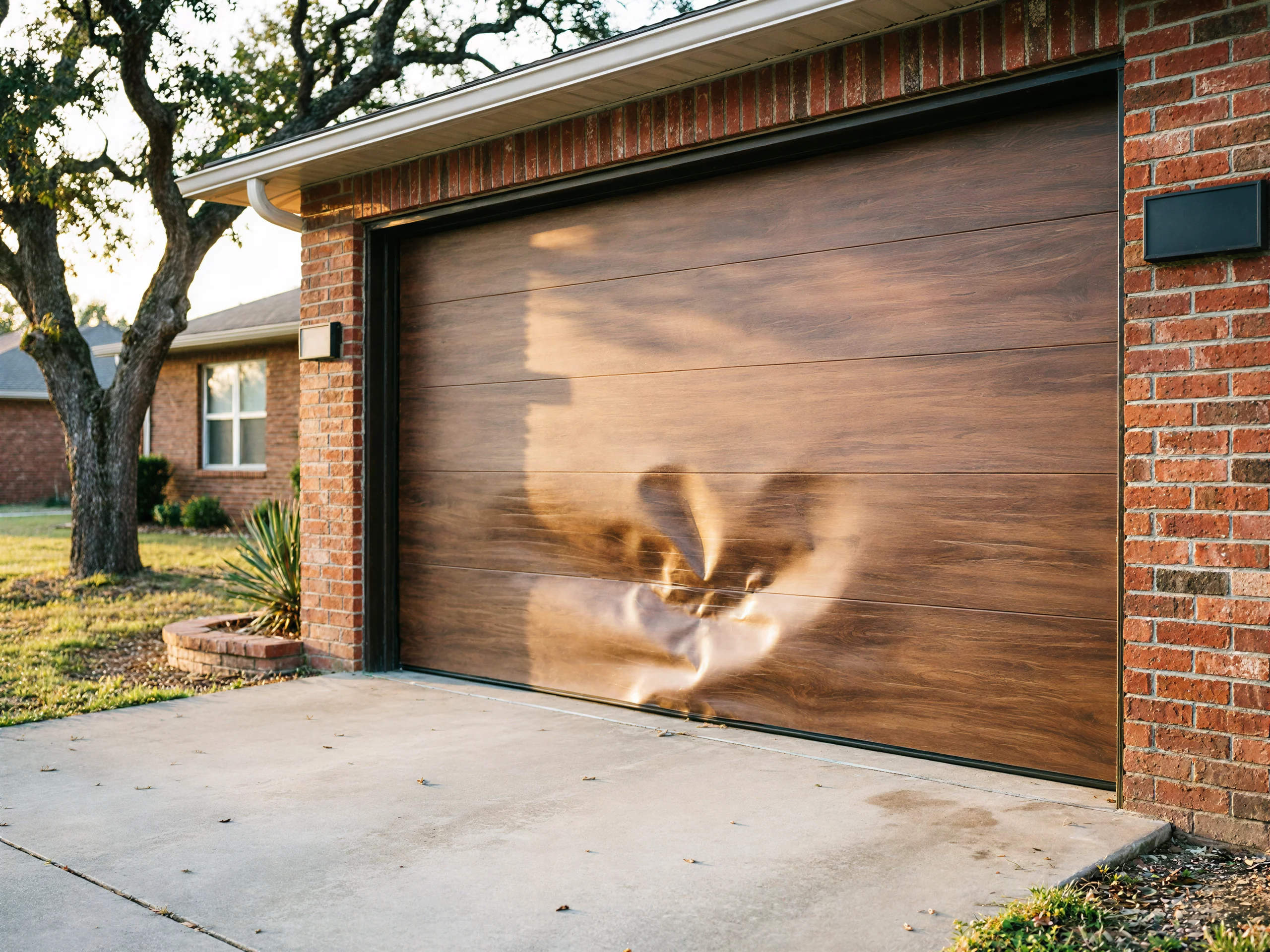
Panel Replacement
Panel replacement for Trophy Club homes built mostly after 2000: matching steel sections on doors that are rarely original anymore but still standard-size. Learn more →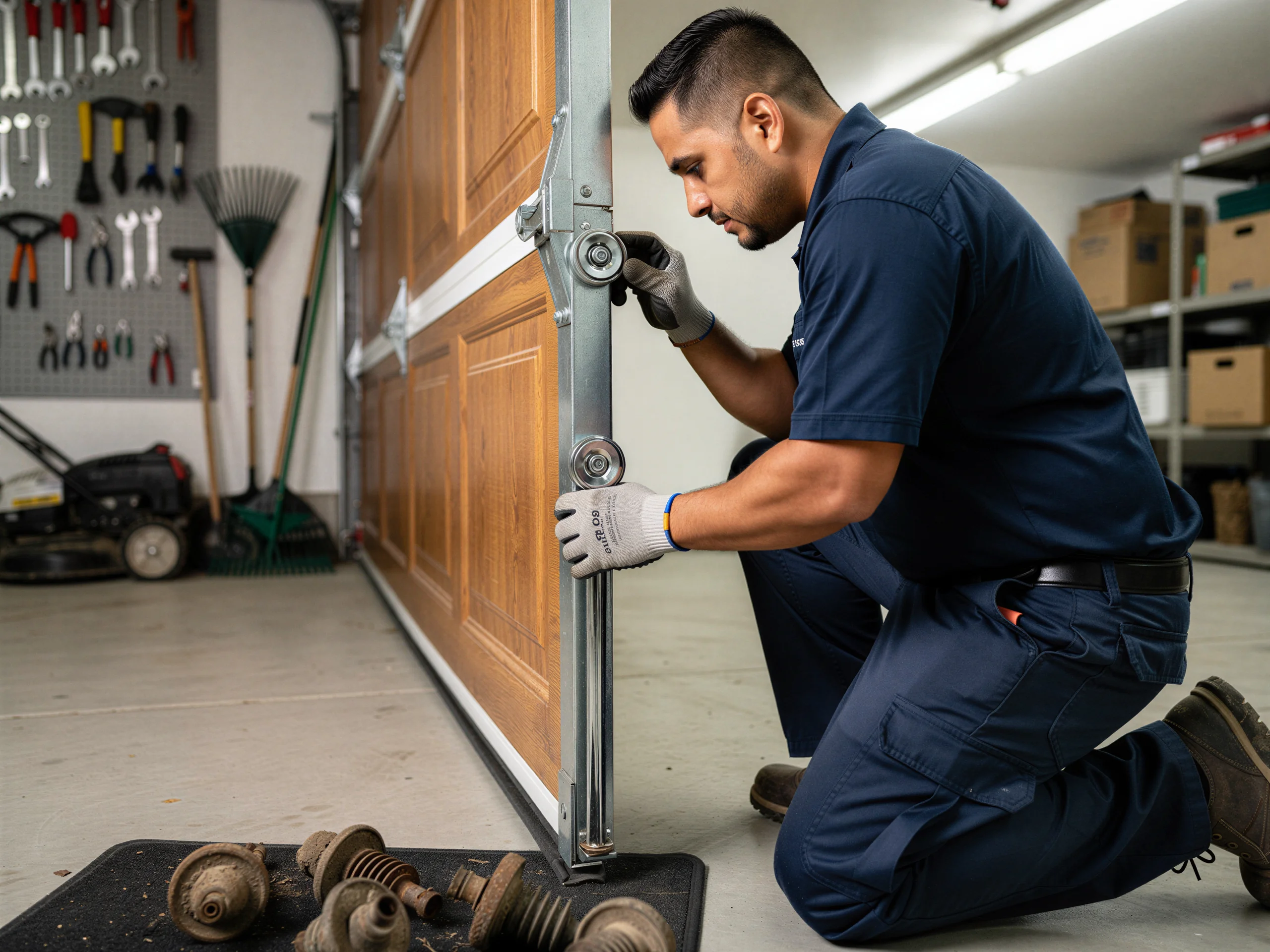
Roller Replacement
Trophy Club homes built around 2000 are now old enough that original steel rollers are wearing out. Learn more →Ready when you are
Time for a garage door tune-up in Trophy Club?
The Colony Garage Door Pros repairs and installs garage doors, springs and openers in The Colony, TX and the surrounding area.