
University Park, The Colony
Garage Door Maintenance for University Park Homes
Maintenance for University Park's late-1980s steel garage doors, serviced from The Colony 18 miles away. Spring, track, and opener checks built for houses of that era.
Getting It Booked In
We run this out of The Colony, about 18 miles southwest, so a maintenance visit to University Park gets scheduled, not walked into. There's no branch sitting closer to you, and we're not going to pretend otherwise.
Door count and rough age
When you call, tell us the door's rough age and whether it's a single or double - most of what we see here dates to around 1987, which already tells us a lot about the hardware before the truck leaves the yard.
Booking ahead, right parts
That means we show up with the right springs and rollers on board instead of guessing at the counter twice. Booking ahead also matters because a maintenance call is routine work, not an emergency rollout - we fit it in around jobs closer to home, and a day or two of lead time is normal.
Quote repairs on the spot
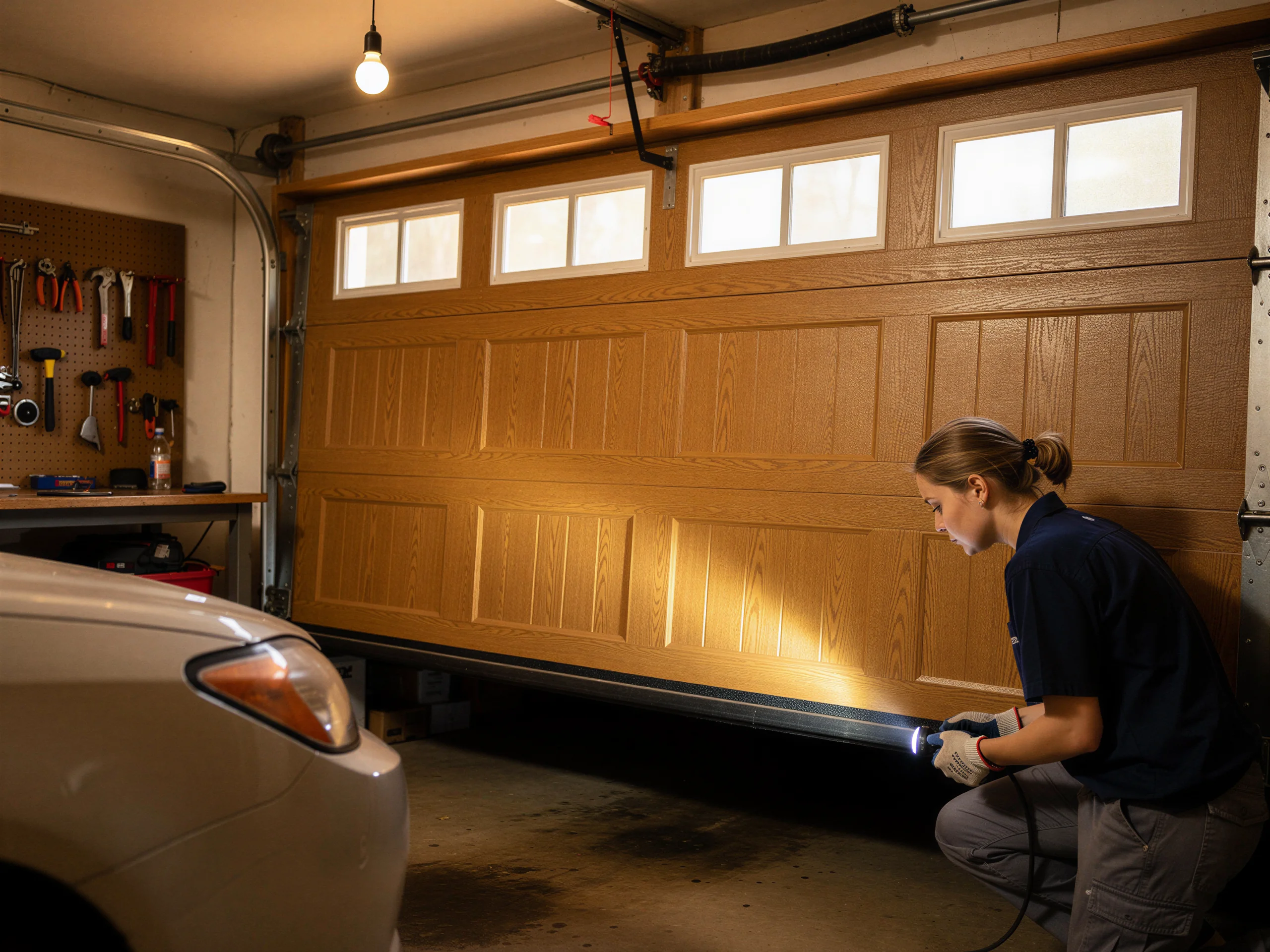
If a cable's frayed or a spring is visibly stretched when we get there, we'll say so and quote the repair on the spot rather than finish the tune-up and leave the real problem for later.
What You Pay
We're not going to list a number here that isn't in front of us - pricing on a maintenance visit depends on the door, the opener, and what the springs and hardware look like once we're under the panel. What we can tell you is that a tune-up isn't priced like a repair; it's inspection, lubrication, hardware tightening, and balance checks, and if something's failing outright we'll quote that separately before touching it.
Households in this part of the service area skew toward higher income than most of what we cover from The Colony, and we hear the same request from a lot of them: do the maintenance properly rather than cheaply, because replacing a 1987 door and opener outright costs a lot more than keeping the original hardware running. We price the visit, not the neighborhood.
Can You Do This Yourself
Some of it, yes. You can vacuum the tracks, wipe down the rollers, and run a visual check for rust streaks or a spring coil that looks stretched compared to the others.
Hinge lube is DIY
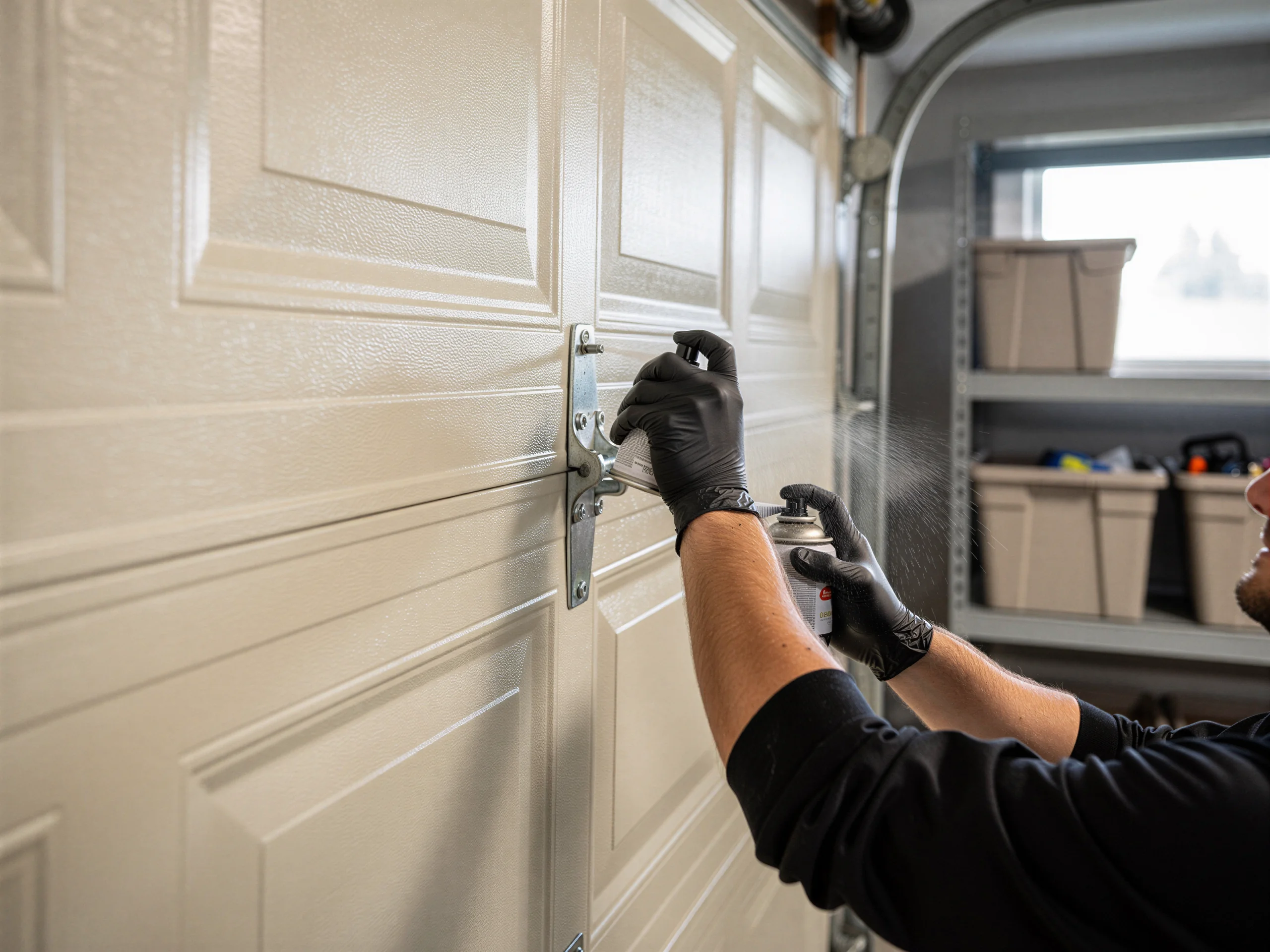
Lubricating the hinges and rollers with the right garage door lubricant (not WD-40, which washes grease out rather than adding it) is a five-minute job most owners can handle.
Leave spring and cable alone
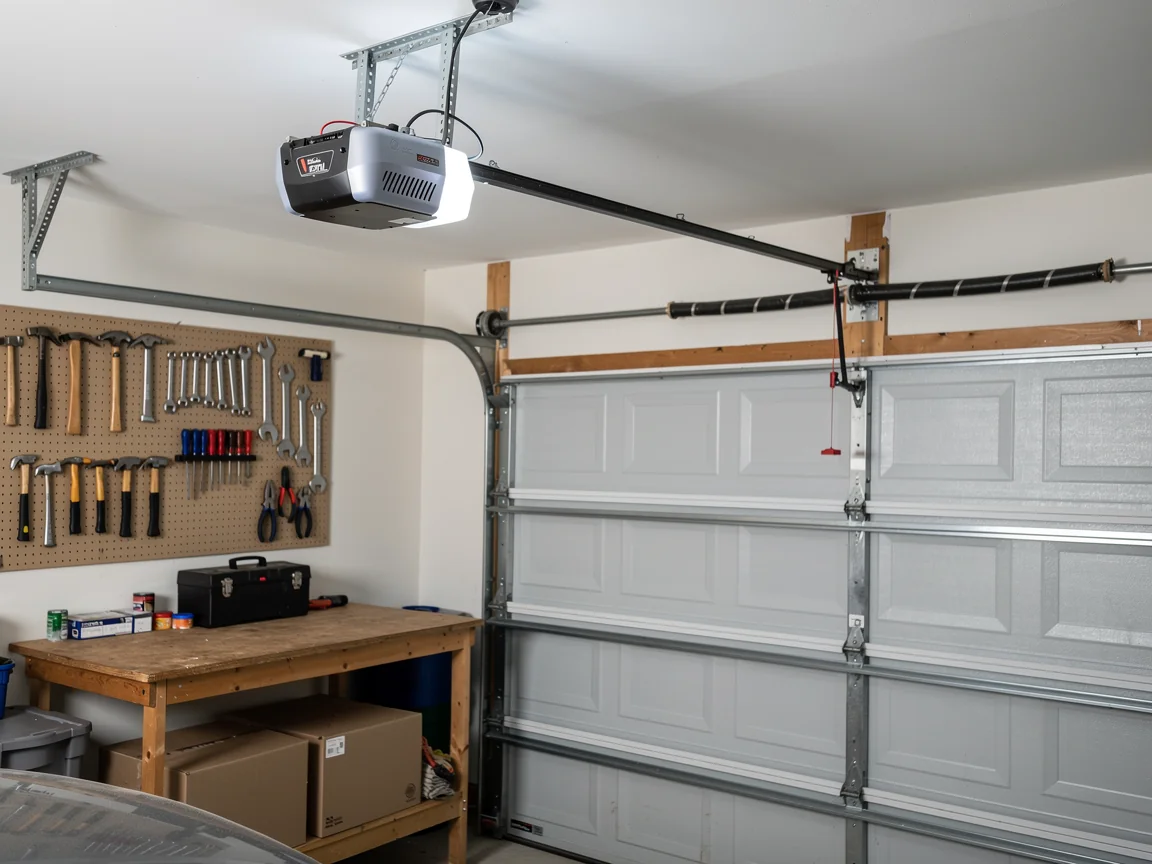
What you shouldn't touch is the torsion spring itself, or the cable it's wound around - on a door this age the spring has been under full tension for three and a half decades, and backing off the wrong bolt can put it through a windshield or a hand.
Balance test then call
Balance testing - disconnecting the opener and seeing if the door holds position at waist height - is safe to try, but if it drifts up or crashes down, that's a call for us, not a next project weekend.
Time on the Job
A straightforward tune-up on a single door runs faster than a double, and a door that's been neglected for years takes longer than one that's had regular attention - we won't pin a number to it without seeing the door first. What we will say is that houses built around 1987 in this area usually still have their original torsion spring system and steel sectional panels, and those systems are simple to service compared to some of the newer insulated doors with more moving parts in the track.
The time adds up in diagnosis more than in the work itself: checking cable wear at the drum, testing opener force settings, and looking at whether the original hardware was ever upgraded. If a previous owner swapped in a newer opener at some point, that changes what we check and how long it takes.
What Causes It Around Here
The climate band here runs moderate on heat, not the extreme swings some parts of Texas deal with, so we're not chasing the kind of expansion-contraction cracking that ruins door seals in hotter zones.
Hardware fatigue from age
What we do see on houses from the late 1980s is hardware fatigue from straight age - lubricant that's dried out over decades, rollers that have worn their bearings down from nylon to bare metal, and torsion springs that have cycled tens of thousands of times since the door went in.
Same base design throughout
Most of University Park's housing stock sits in that same build window, which means most of the doors we touch here have the same base design: steel sectional panels on side-mounted torsion hardware, not the newer insulated composite doors you'd find on construction from the 2000s. That consistency actually makes maintenance more predictable - we know roughly what we're walking into before the door comes up.
The Symptom
The giveaway on a door this age is almost always sound before it's movement - a grinding or popping from the rollers, a shudder partway up the track, or an opener that strains and slows on the last foot of travel. On original 1987-era hardware, that's usually worn rollers or a spring that's lost tension, not the opener motor itself, even though the motor gets blamed first.
If the door reverses on its own partway down, or the remote works but the wall button doesn't, that's a safety sensor or limit switch issue layered on top of the age-related wear, and it's worth a look sooner rather than later. We'll tell you plainly if the fix is a tune-up or if the hardware's past the point where tightening bolts solves anything.
Questions
Common questions
How far out is University Park from your shop?
About 18 miles from our base in The Colony. We don't keep a crew or depot in University Park, so maintenance visits are scheduled trips, not drop-ins - book ahead rather than expecting a same-day slot.
Is my 1980s door hardware still serviceable, or does it need replacing?
Most doors from University Park's main build era, around 1987, still run on original steel panels and torsion spring hardware that's entirely serviceable. We only recommend replacement when the track or spring anchor is damaged beyond a repair, not just because the door is old.
Does the Texas heat here affect maintenance needs?
This part of the service area sits in a moderate heat band rather than an extreme one, so we're not dealing with heavy seal cracking from expansion. Wear here comes mostly from age and cycle count on the hardware, not climate stress.
Can I just lubricate the door myself and skip a visit?
Lubricating hinges and rollers yourself is fine and worth doing between visits. It won't catch a weakening torsion spring or worn cable, though, which is the part of a tune-up that actually prevents a failure.
Explore more
More Services in University Park
Garage Door Repair
University Park homes run older than most of the service area's 2002 median build year. Learn more →
Garage Door Service
University Park homes mostly date to the late 1980s, old enough that openers and torsion springs are on their second or third cycle. Learn more →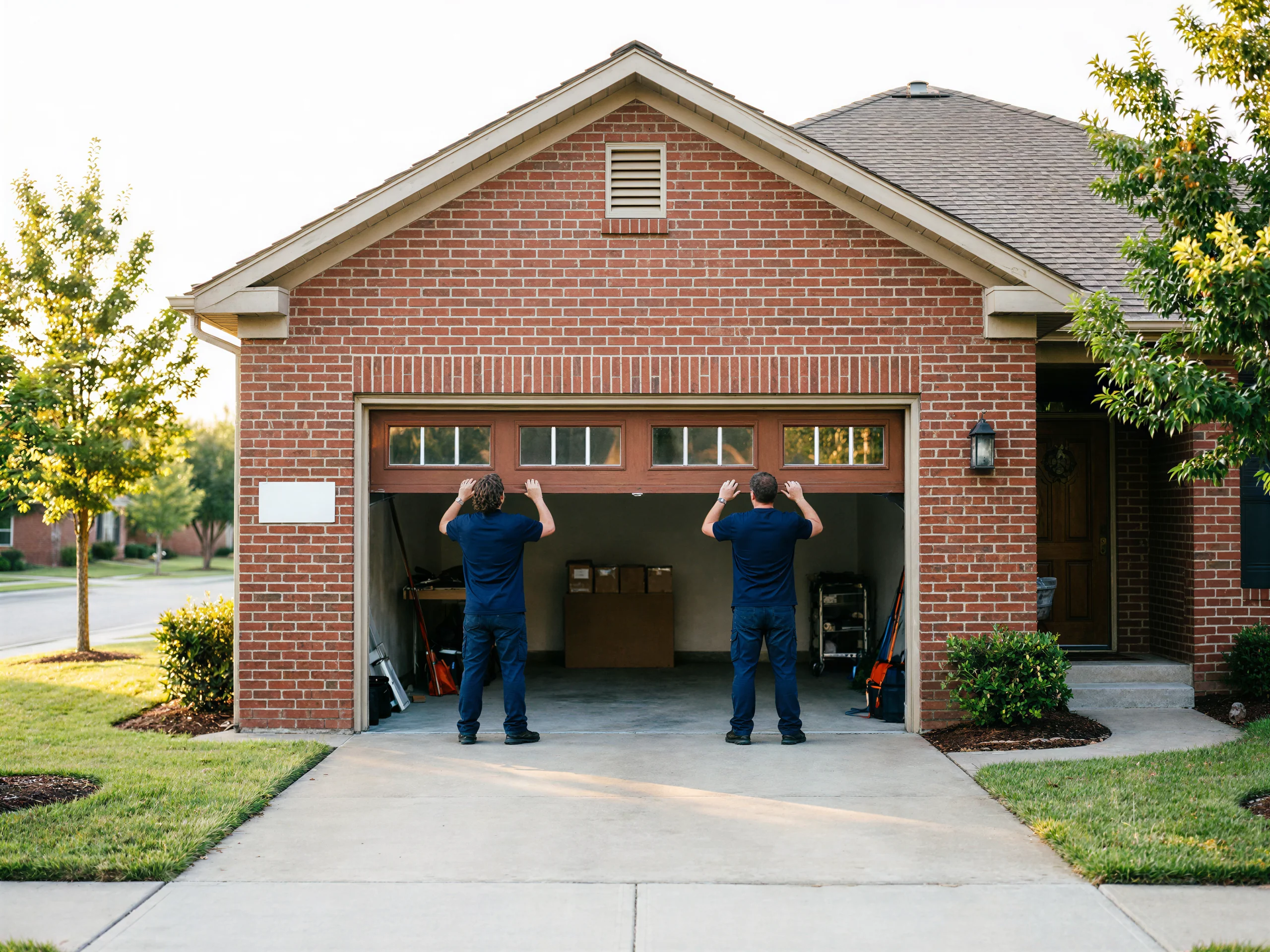
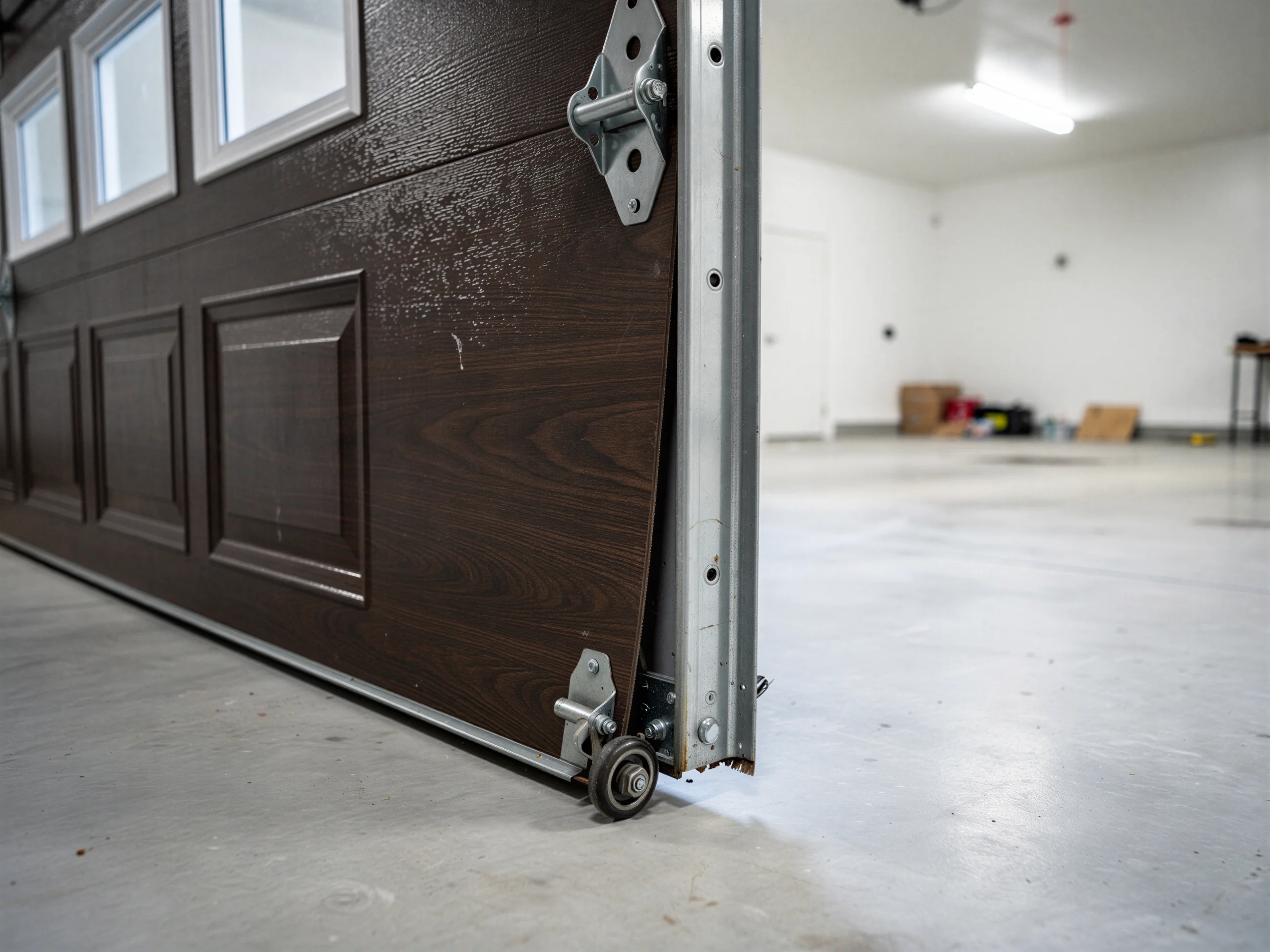
Off Track Repair
University Park homes built around 1987 came with extension-spring doors on steel track that bends easy. Learn more →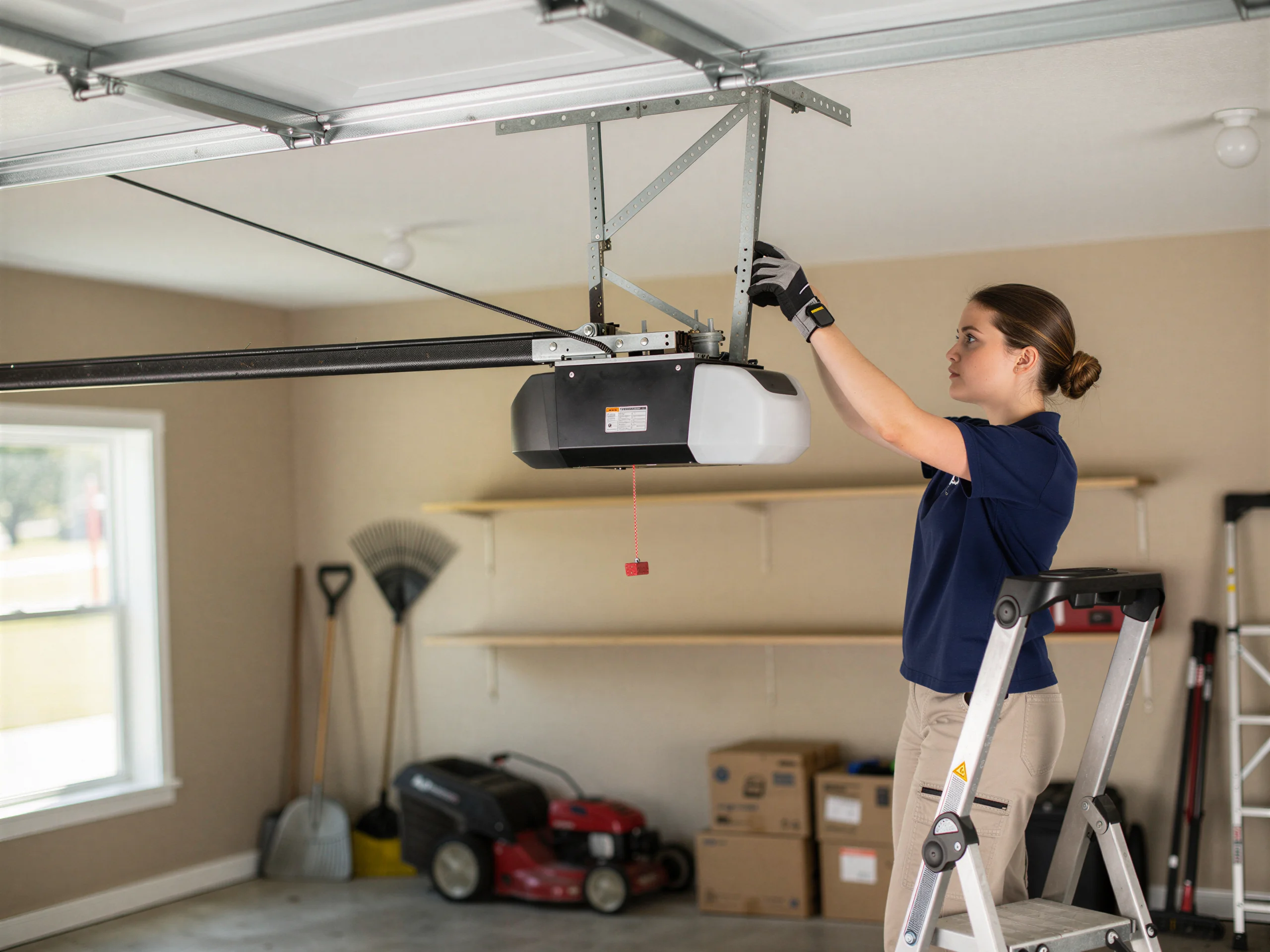
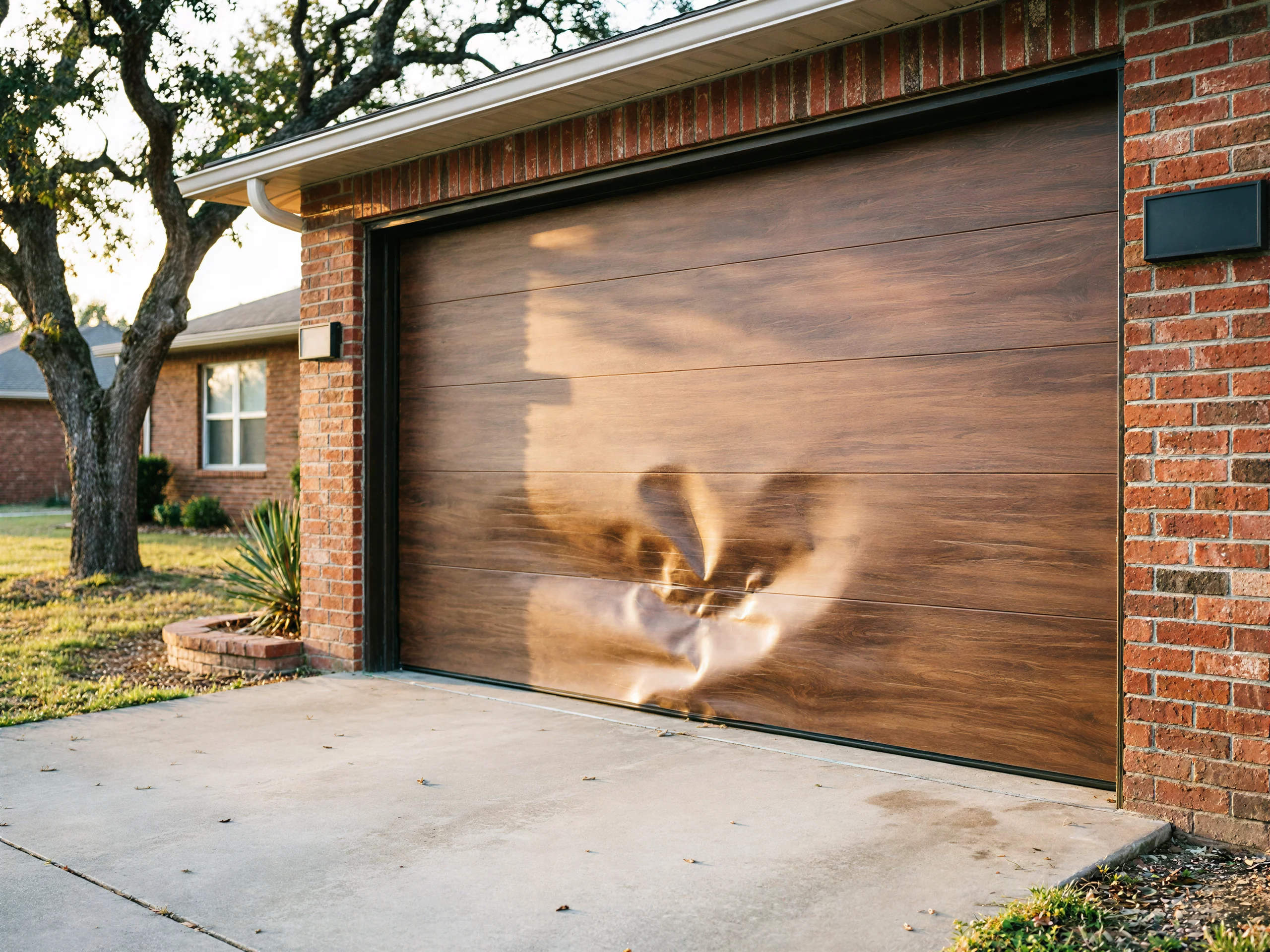
Panel Replacement
Panel replacement for University Park's 1987-era doors, matched to original hardware. Learn more →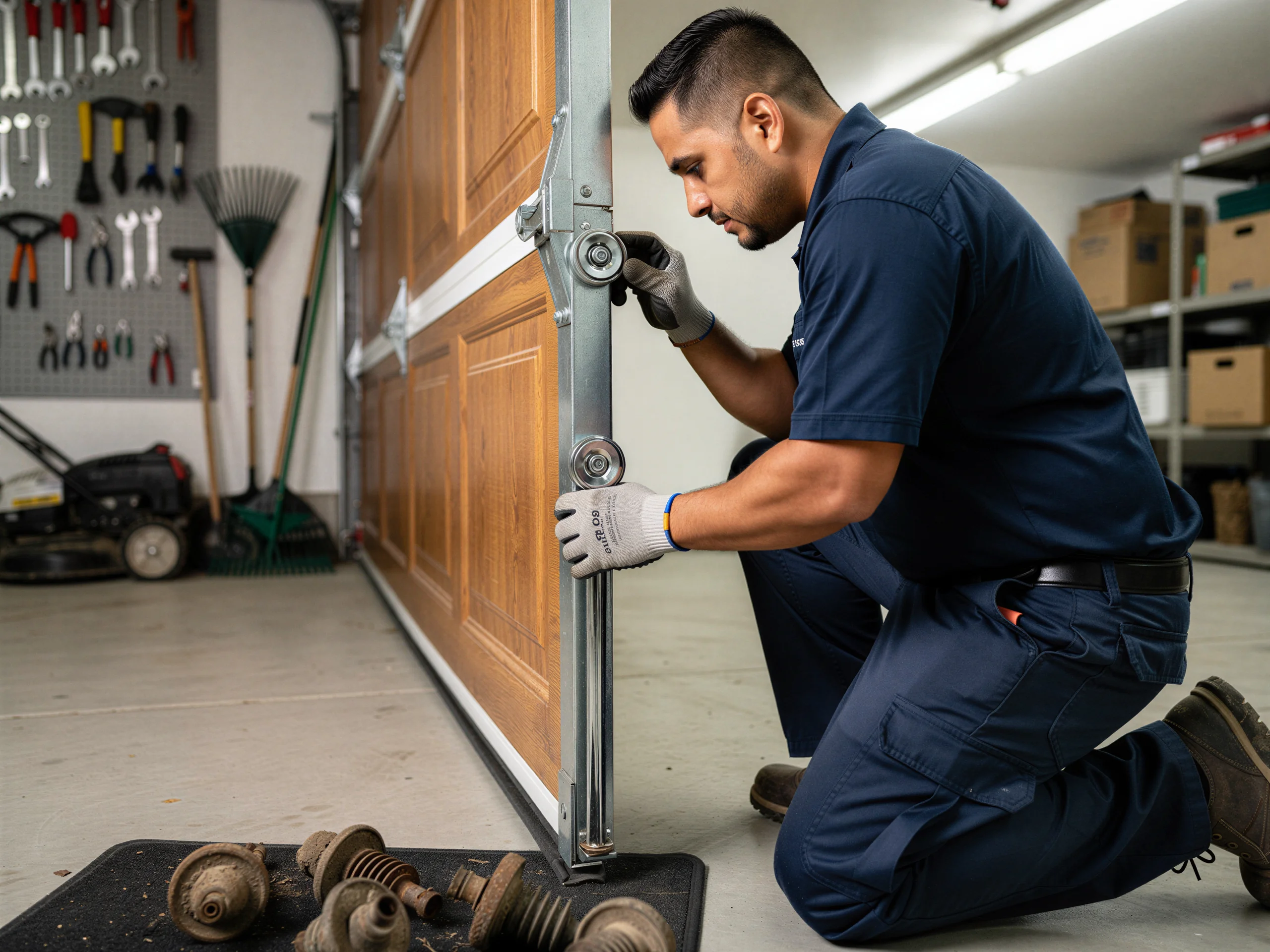
Roller Replacement
University Park homes built around 1987 run original steel rollers well past their life. Learn more →Ready when you are
Time for a garage door tune-up in University Park?
The Colony Garage Door Pros repairs and installs garage doors, springs and openers in The Colony, TX and the surrounding area.